
Companion Plants
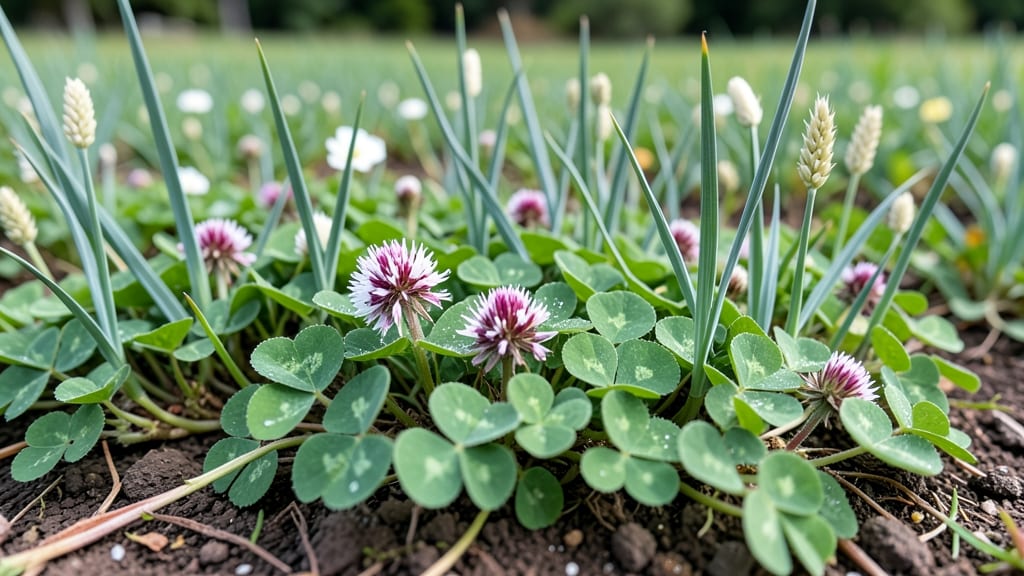
Planting your 🦌🌾 food plots for deer in Louisiana at the wrong time could mean the difference between a thriving plot and one that barely survives. The secret isn't just picking a month—it's understanding how soil temperatures, humidity, and even deer grazing patterns shift across Louisiana's two distinct planting seasons.
If you've ever watched deer browse a lush spring plot and wondered why your own didn't take off, you're not alone.
The key is timing: Louisiana's 8a-9b climate demands precision, with late winter to early spring and late summer to early fall offering the best windows for maximum growth and deer appeal.
I'll break down the exact months to plant—plus how to prep your soil, choose the right mixes, and adjust for Louisiana's unique weather quirks. Whether you're a first-time plotter or a seasoned hunter, these strategies will help you grow deer magnets that last year-round.
Ready to turn your property into a deer destination? Let's get started with the planting schedule that actually works in Louisiana.
Optimal planting months in Louisiana based on soil temperature
Louisiana’s humid subtropical climate (USDA Zones 8a-9b) means your deer food plot success hinges on soil temperature, not just calendar months. Plant too early, and cool soils stunt germination. Too late, and summer heat stresses seedlings. Aim for 50°F-70°F soil temps—the sweet spot for most deer-friendly crops.
Northern Louisiana (e.g., Shreveport) has cooler microclimates with later springs, while southern regions (e.g., New Orleans) can plant 2-3 weeks earlier. Always check soil temps with a soil thermometer—don’t guess! The ideal window splits into two seasons: late winter/early spring and late summer/early fall.
🌱 Louisiana Food Plot Planting Guide by Soil Temp
| Plant Type | Best Soil Temp (°F) | Optimal Planting Months (North LA) | Optimal Planting Months (South LA) | Notes |
|---|---|---|---|---|
| White Clover | 50°F-65°F | February-March | January-February | Cold-hardy; great for early-season browsing. |
| Brassicas (Turnips, Radishes) | 55°F-70°F | March-April or August-September | February-March or July-August | Fast-growing; deer love the tender leaves. |
| Sorghum Sudangrass | 65°F-85°F | May-June or August-September | April-May or July-August | Heat-tolerant; peak growth in summer. |
| Winter Rye | 50°F-60°F | October-November | September-October | Establishes quickly; deer graze year-round. |
For cool-season plots (clover, rye, brassicas), target February-March in northern Louisiana and January-February in the south. These crops thrive when soil temps stay above 50°F—critical for germination. Use a soil thermometer to confirm before planting. If temps dip below 45°F, delay until conditions stabilize.
Warm-season mixes like sorghum-sudangrass or cowpeas demand 65°F+ soil temps. Plant these in late May-June (northern LA) or April-May (southern LA) to avoid heat stress on seedlings. Monitor rainfall forecasts—drought can kill young plots faster than you think.
Pro tip: Test your soil 2-3 weeks before planting. Louisiana’s clay-heavy soils (common in the Mississippi Delta) benefit from gypsum or compost to improve drainage. Aim for a pH of 6.0-7.0—most deer plots thrive in slightly acidic to neutral soil.
Adjust with lime (to raise pH) or sulfur (to lower pH) as needed.
Don’t overlook microclimates. A south-facing slope warms up faster than a north-facing lowland. If your plot sits in a frost pocket, plant 2 weeks later than the general guideline. Use frost blankets or row covers for early spring plantings to protect tender seedlings from unpredictable late frosts.
Timing isn’t just about the plants—it’s about the deer. Plant clover in late winter to coincide with rutting season (October-November), when bucks need extra protein. Brassicas in fall align with pre-rut food cravings. Plan your schedule around deer behavior, not just your calendar.
For maximum growth, fertilize 2 weeks after planting with a high-nitrogen blend (10-20-10). Apply 200-300 lbs per acre or 1 lb per 100 sqft for small plots. Water deeply 1-2 inches per week until establishment—morning watering reduces evaporation and fungal risks.
Remember: Louisiana’s hurricane season (June-November) can delay spring plantings. If you miss the February-March window, wait until August-September for fall plots. Use cover crops like ryegrass to protect soil and stabilize erosion during off-seasons.
Optimal planting months in Louisiana based on soil temperature
Louisiana’s humid subtropical climate means your food plot’s success hinges on soil temperatures and regional microclimates. North Louisiana (USDA Zone 8a) has cooler winters, while South Louisiana (Zone 9b) stays warmer longer. Aim for soil temps between 50°F-70°F—this range triggers germination for most deer-friendly plants.
For cool-season plots like clover and brassicas, plant in late February to early March after the last frost (typically February 15). Warm-season mixes like sorghum or millet thrive when soil hits 65°F+, usually by late April to early May in most regions.
Here’s how to adapt timing by region:
| Region | Best Planting Window | Soil Temp Threshold | Key Considerations |
|---|---|---|---|
| North LA (Zone 8a) | Feb 20 - Mar 15 | 50°F-60°F | Later last frost; risk of late frosts |
| Central LA (Zone 8b) | Feb 1 - Mar 10 | 55°F-65°F | Moderate humidity; watch for spring rains |
| South LA (Zone 9b) | Jan 15 - Feb 28 | 60°F-70°F | Warmer soils; extend growing season |
| All Regions (Fall) | Aug 1 - Sep 15 | 65°F+ | Hurricane season risk; use cover crops |
Use a soil thermometer to confirm temps before planting—especially in North Louisiana, where cold snaps can delay germination. For warm-season plots, wait until after May 1 to avoid frost damage to tender seedlings.
Pro tip: Plant white clover in early spring (March) for fast deer attraction, then follow with brassicas in August for fall feeding. This two-phase approach ensures year-round forage.
In South Louisiana, you can even plant warm-season mixes in late January if soil temps stay above 60°F. Always check local USDA frost maps and adjust by 1-2 weeks based on your specific microclimate.