
Planting
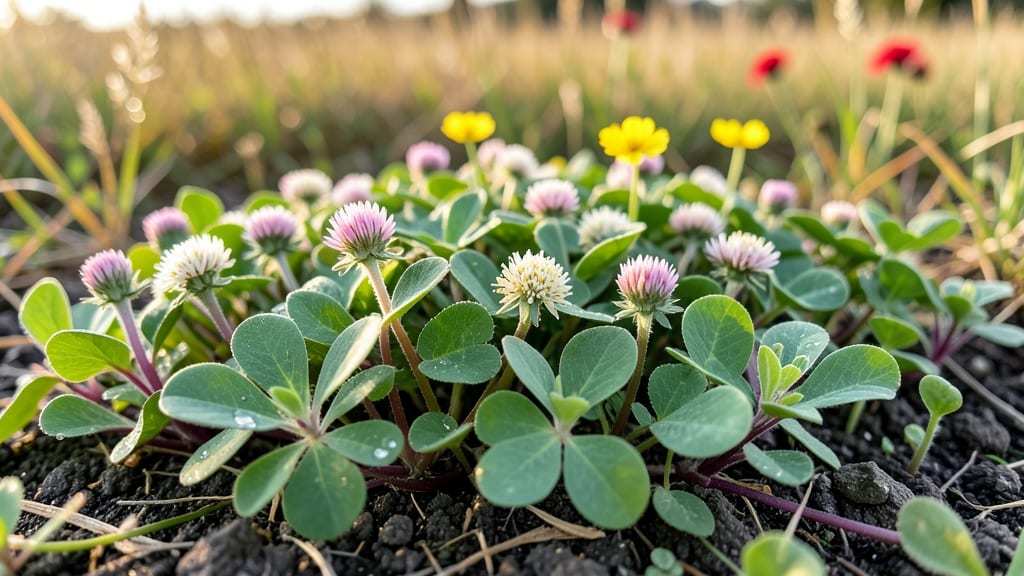
Planting a 🌾 deer food plot at the wrong time in Kentucky could mean missed opportunities for whitetail hotspots—especially when deer are most hungry.
The best window for planting isn’t just about the calendar; it’s about aligning with Kentucky’s 6a-7a climate and avoiding frost risks that can ruin your hard work.
Most hunters swear by two key planting seasons: early spring (March-April) and late summer (August-September). But here’s the catch: brassicas like turnips need cooler soil, while clovers thrive in warm August sun. I’ll break down exactly when to plant each crop for maximum deer attraction.
You’ll also discover how to adjust for Kentucky’s unpredictable weather—like handling late frosts or droughts—without losing your entire plot. With the right timing, you’ll turn your food plot into a year-round buffet that keeps deer coming back.
Ready to transform your property into a whitetail magnet? Let’s dive into the perfect planting schedule that works for Kentucky’s seasons and soil.
Kentucky food plot planting deadlines by USDA Zone 6-7 (with frost risk charts)
Kentucky’s USDA Zones 6a-7a offer two prime windows for planting deer food plots: spring (March-April) and late summer/fall (August-September). Timing these correctly ensures your plots thrive before Kentucky’s first hard frost (mid-October) or last spring frost (mid-April)—critical for germination and establishment.
Spring planting gives you a head start, but summer/fall options provide fall forage when deer need it most. The key is matching your crop type to Kentucky’s 180-220 frost-free days—long enough for multiple planting opportunities but short enough to demand precision.
Pro Tip: Use a soil thermometer—ideal germination temps for most food plot seeds are 50-70°F. In Kentucky, this typically aligns with late March to early April for spring and mid-August to early September for fall.
| Planting Window | Best Crops | Frost Risk | Soil Prep |
|---|---|---|---|
| Early Spring (Feb-Mar) | Winter Wheat, Rye, Clover | High (late frosts common) | Tilled + lime if pH <6.0 |
| Late Spring (Apr-May) | Brassicas, Soybeans, Sunflowers | Low (post-last frost) | Disk + fertilizer (10-20-10) |
| Early Fall (Aug-Sept) | Clover, Chicory, Turnips | Moderate (first frost risk) | Tilled + phosphorus boost |
| Late Fall (Oct) | Winter Rye, Clover | High (frost imminent) | Minimal till + mulch |
For spring planting, aim to finish seeding by April 15th in most of Kentucky to avoid late frosts. In Zone 6a (northwest KY), push this to April 1st for safety. Fall planting should wrap up by September 15th—after this, even chicory struggles to establish before frost.
Kentucky’s microclimates matter—mountain regions (like Eastern KY) have 10-14 days earlier last frosts than western valleys. Check your local Cooperative Extension Service for hyper-local frost dates. I always verify with 3 years of historical data before committing to a planting window.
Don’t overlook soil temperature—cool-season crops like clover germinate at 40°F, while brassicas need 50°F+. Use a soil thermometer ($15 at any garden center) to confirm readiness. Pro move: Plant warm-season crops (like sunflowers) after soil hits 60°F consistently.
If you miss the ideal window, backup crops like winter rye or annual ryegrass can be seeded as late as October 1st in Kentucky. These tough grasses provide winter forage and prevent erosion until spring planting.
Remember: Deer don’t read calendars, but they do notice when food plots are lush and green. Planting at the right time ensures your investment pays off with year-round whitetail traffic—not just a few weeks of browsing.
Best deer food plot crops for Kentucky’s seasons (ranked by foraging value)
Kentucky’s 6a-7a climate creates perfect conditions for deer food plots, but not all crops thrive equally. Clover and chicory dominate summer plots, while brassicas like turnips shine in cooler months. Each crop has a sweet spot—plant clover too late, and it bolts; plant brassicas too early, and frost ruins them.
I’ve ranked the top 5 deer food plot crops for Kentucky by foraging value, growth speed, and soil adaptability. Chicory tops the list for summer plots, offering high-protein leaves that deer love, while winter wheat provides late-season grazing when other plots fade.
For spring planting, turnips and radishes grow fast (30-45 days) and deliver nutrient-dense forage. In fall, crimson clover and alfalfa mix well for winter browse. Let’s break down the best options for each season and how to maximize deer attraction.
Planting the right crop at the right time is half the battle. For example, chicory needs warm soil (70°F+) to germinate, so August planting is ideal. Meanwhile, turnips can handle cooler temps and are perfect for late summer/early fall when deer bulk up before winter.
Pro tip: Mix crops for year-round forage. A clover-chicory blend in summer + brassicas in fall ensures deer have food when other plots slow down. I’ve seen plots with 3-4 crop rotations keep deer feeding through every season.
Don’t forget to match crops to your soil type. Kentucky’s clay-heavy soils drain poorly in winter, so avoid alfalfa unless you amend with sand. For sandy soils, chicory and clover thrive with minimal prep.
Ready to pick your perfect mix? Start with chicory for summer and turnips for fall—those two alone will transform your property into a whitetail hotspot. 🦌