
Flowers
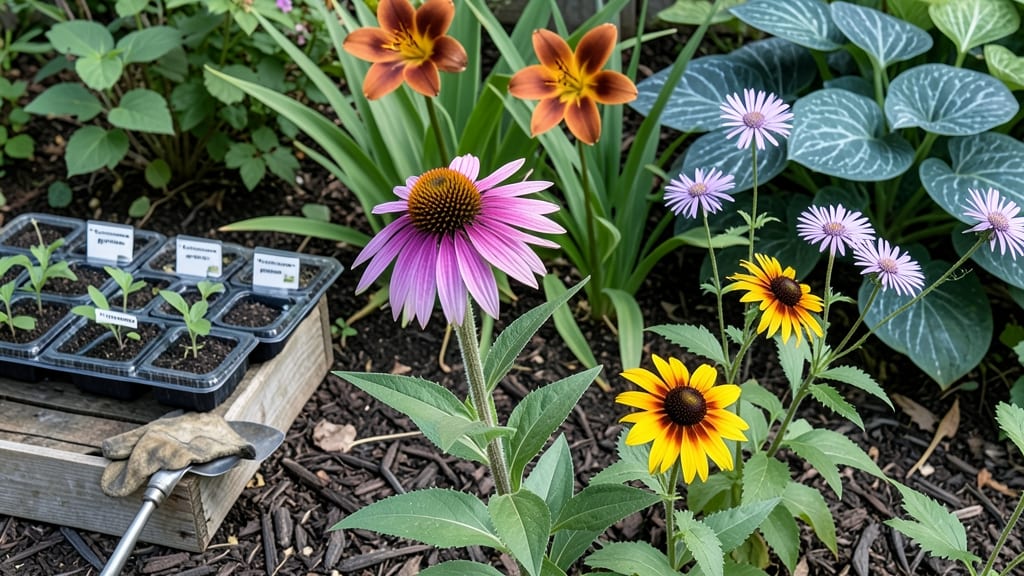
When to plant flowers in Pittsburgh isn’t just about following a calendar—it’s about beating the unpredictable frost dates that can turn your garden dreams into a gamble. With USDA Zone 6a’s last frost often lingering around April 15, knowing the exact window for annuals, perennials, and bulbs means the difference between a vibrant 🌸 display and a sad, frost-nipped disappointment.
I’ve learned the hard way that rushing spring plantings or waiting too long can leave your garden playing catch-up all season. Whether you’re a first-time gardener or a seasoned pro, mastering Pittsburgh’s planting schedule—from late March’s early bloomers to fall’s hardy perennials—is the key to a garden that thrives.
Let’s break down the best times to plant so you can enjoy blooms from spring through summer.
From the moment the soil warms enough to work (usually by mid-April) to the second planting window in late summer, every decision matters. You’ll discover how to adjust for Pittsburgh’s microclimates, whether you’re on the North Side’s cooler streets or the South Hills’ sunnier slopes.
With the right timing, you’ll skip the guesswork and create a garden that bursts with color—without the stress.
Ready to turn your green space into a showstopper? I’ll walk you through the ideal months, frost-proof strategies, and even which flowers hold up best in Pittsburgh’s rollercoaster weather. Let’s get those 🌸 planted right the first time.
Pittsburgh flower planting calendar by month: frost dates & best times
Pittsburgh’s USDA Zone 6B climate means your flower garden can thrive with the right timing—just avoid those sneaky late frosts that hit around April 15 on average. I’ve broken down the ideal planting windows for annuals, perennials, and bulbs so you can plan your garden like a pro.
Whether you’re planting in-ground or containers, these month-by-month guidelines will maximize your blooms.
Start with spring-blooming bulbs like tulips and daffodils in October or November—they need time to establish roots before winter.
For perennials, early spring (March) is perfect for hardy varieties like coneflowers and black-eyed Susans, while annuals like marigolds and petunias should wait until after the last frost, typically mid-May.
Here’s your month-by-month planting calendar for Pittsburgh, including frost dates and key tasks to keep your garden on track:
| Month | Plant Type | Best Plants to Start | Key Tasks | Notes |
|---|---|---|---|---|
| March | Perennials, Spring Bulbs | Daffodils, Tulips, Peonies, Bleeding Heart | Plant bulbs, prune dead foliage, prep soil | Cold-hardy plants can handle late frosts |
| April | Cold-Hardy Annuals, Perennials | Pansies, Sweet Alyssum, Lavender, Coneflowers | Test soil temps (50°F+), mulch, fertilize | Watch for late frosts—use row covers if needed |
| May | Annuals, Warm-Season Plants | Marigolds, Petunias, Geraniums, Zinnias | Plant after last frost, stake tall varieties | Ideal for container gardens—warmer microclimates |
| June | Succession Planting | Cosmos, Sunflowers, Nasturtiums | Deadhead spent blooms, water deeply | Hotter months—prioritize drought-tolerant varieties |
| August | Fall Bulbs, Cool-Season Annuals | Chrysanthemums, Calendula, Fall Crocosmia | Plant bulbs, divide perennials, mulch | Prepare for first frost (Oct 15) |
| September | Perennials, Spring-Blooming Bulbs | Tulips, Hyacinths, Asters, Sedum | Plant bulbs, fertilize for fall growth | Soil stays warm longer in South Hills |
For container gardens, you can push planting dates slightly later—containers warm up faster and are less affected by soil temperature fluctuations. If you’re in the North Side, expect cooler microclimates, while the South Hills may allow for earlier plantings.
Always check soil temps with a soil thermometer (aim for 50°F+ for most flowers).
Don’t forget to harden off seedlings if starting indoors—gradually expose them to outdoor conditions over 7-10 days before transplanting. This step is critical for heatwave-prone June plantings, as sudden temperature shifts can stress young plants.
Pro tip: Use mulch to regulate soil temperature and retain moisture, especially in urban gardens where heat islands can raise temps by 5-10°F. A 2-3 inch layer of organic mulch (like shredded leaves) works wonders for Pittsburgh’s clay-heavy soil.
If you’re planting bulbs for spring blooms, aim to get them in the ground by October 15. Bulbs like tulips and daffodils need this time to develop roots before winter dormancy. For fall-planted annuals, late August to early September is ideal—think pansies and snapdragons for winter color.
🌱
How to adjust planting for Pittsburgh’s unpredictable weather: 3 pro tips
Pittsburgh’s spring frost dates can shift unpredictably, leaving gardeners like me scrambling to protect tender seedlings. Last year, my pansies bolted overnight after a late April freeze—lesson learned! The key is flexibility and knowing how to adjust planting times based on soil temps, microclimates, and weather forecasts. The North Side of Pittsburgh often sees frost 1-2 weeks later than the South Hills, thanks to urban heat islands. If you’re unsure about your microclimate, test soil temps with a thermometer—40°F (4°C) is the magic number for most flowers to thrive without risk of frost damage.🌱 Pro Tip: Use row covers or cloche tunnels to extend your planting window by 2-3 weeks in early spring. These lightweight fabrics trap heat while allowing sunlight and water through—perfect for cold-sensitive annuals like marigolds or petunias.
Soil stays warmer than air, especially in south-facing beds. Use a soil thermometer—most flowers need 50°F (10°C) for roots to establish. In Pittsburgh, this often means planting annuals 1-2 weeks after the official last frost date (around April 25 on average).
If you miss the spring window, opt for heat-tolerant annuals like zinnia or cosmos, which handle Pittsburgh’s July heatwaves better than impatiens or begonias. For fall planting (August-September), choose cool-season flowers such as pansies or snapdragons—they’ll bloom until the first frost.
Lay black plastic mulch over beds 2-3 weeks before planting to raise soil temps by 5-10°F (3-6°C). Remove it before planting to avoid overheating roots. This trick lets me plant tomatoes and marigolds 10 days earlier—a game-changer for short Pittsburgh summers!
"Pittsburgh’s weather is a puzzle, but with these tweaks, your garden will bloom like clockwork—even if Mother Nature throws a curveball."
🌿