
Companion Plants
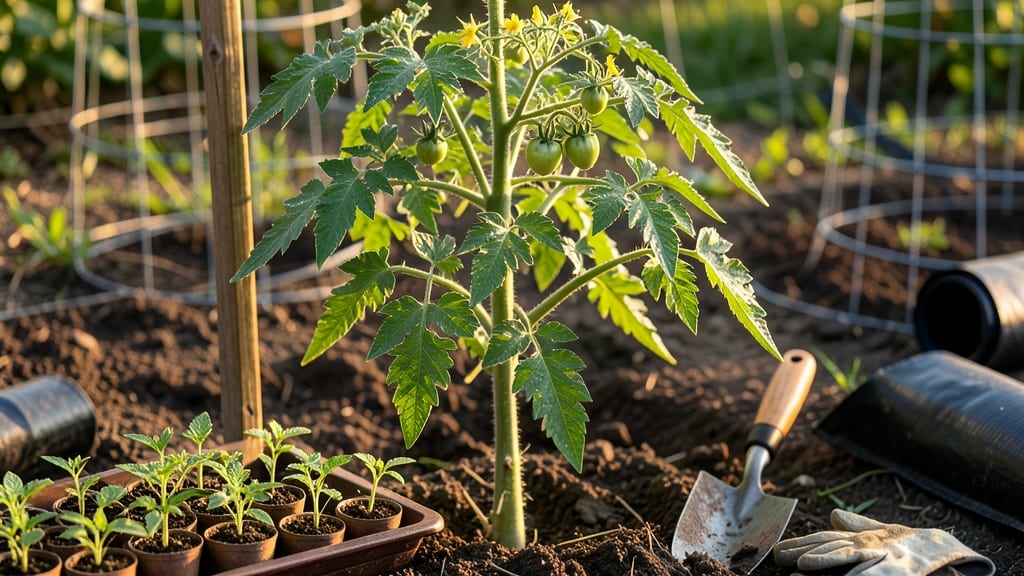
Planting tomatoes in Michigan at the wrong time means risking frost damage or missed harvests—so timing is everything for that 🍅 bounty you’re dreaming of. The key isn’t just waiting for spring; it’s knowing your exact USDA Zone 5b-6b window to avoid those late-night chills that can kill tender seedlings.
Most Michigan gardeners start seeds indoors by March, but transplanting outdoors hinges on your region’s last frost date—typically mid-April to early May, with southern Michigan having a 2-3 week head start over the north.
Soil temperature matters just as much as air temperature, so aim for 60°F (15°C) before sticking those seedlings in the ground.
Whether you’re growing heirlooms or hybrids, this guide breaks down the exact weeks before your last frost to plant for maximum yield. We’ll cover everything from adjusting for microclimates (like lakeshore warmth or highland chill) to backup strategies if Mother Nature throws a curveball.
Ready to turn your Michigan garden into a tomato powerhouse? Let’s get those plants in the ground at the perfect moment—no more guesswork, just juicy results.
Michigan last frost dates by region: exact weeks to plant tomatoes
Michigan’s last frost dates vary dramatically from the Upper Peninsula (Zone 5b) to Southern Michigan (Zone 6b), making timing critical for tomato success. In Northern Michigan, frost lingers until May 15–June 1, while Southern Michigan sees frost-free soil by April 20–May 10.
These differences mean your planting window could shift by 4–6 weeks depending on where you live.
For USDA Zone 5b (e.g., Traverse City, Marquette), aim to plant 2–3 weeks after your average last frost—typically May 20–June 1.
In Zone 6a/6b (e.g., Detroit, Ann Arbor), you can start April 25–May 15, giving you an extra 30–45 days of growing time. Early varieties like ‘Stupice’ or ‘Mountain Merit’ thrive in cooler soils, while heat-lovers like ‘Celebrity’ need warmer conditions.
🌱 Michigan Tomato Planting Timeline by Region
| Region | USDA Zone | Avg. Last Frost | Safe Planting Window | Harvest Start |
|---|---|---|---|---|
| Northern Michigan | 5b | May 15–June 1 | May 20–June 10 | Late July–August |
| Southeast Michigan | 6a/6b | April 20–May 10 | April 25–May 15 | Early July–August |
| Western Michigan | 6a | April 25–May 5 | May 1–May 15 | Late June–July |
💡 Pro Tip: Use MSU Extension’s Frost Calculator (link below) for your exact location’s 10-year averages.
If you’re starting tomatoes indoors (recommended for Zone 5b gardeners), begin seeds 6–8 weeks before transplanting. For Northern Michigan, that means mid-March to early April under grow lights. Southern Michigan can start slightly later (late March–early April) since outdoor conditions warm faster.
Harden off seedlings for 7–10 days before transplanting to avoid shock.
For direct sowing (skipping indoor starts), wait until soil temperatures hit 60°F (15°C)—use a soil thermometer to confirm.
In Zone 5b, this often aligns with late May, while Zone 6b may see warm soils by mid-April. Black plastic mulch can warm soil by 5–10°F, letting you plant 1–2 weeks earlier in cooler areas.
Michigan’s first frost risk varies too: Northern regions face frost by September 15–October 1, while Southern Michigan can extend harvests until October 15–November 1. Indeterminate varieties (like ‘Brandywine’) benefit from row covers to push harvests later, but determinate types (e.g., ‘Roma’) ripen all at once—so time your planting for a steady 70–80-day window before frost.
Check local weather trends for the past 5 years—some areas like Grand Rapids have seen late-May frosts even in Zone 6a. MSU Extension’s Garden Bulletins (linked below) include hyperlocal frost maps and tomato variety recommendations tailored to Michigan’s climate quirks.
Don’t guess: verify your frost date to avoid $50 seedling losses from a surprise freeze.
For urban gardeners in cities like Detroit or Grand Rapids, microclimates can shift frost dates by 5–7 days. South-facing walls or rooftop gardens may warm 3–5°F faster than open fields.
Use these local heat pockets to your advantage by planting 1 week earlier in these spots—just monitor for heat stress in July’s 90°F+ days.
Remember: Tomatoes hate cold soil. If nighttime temps dip below 50°F (10°C), growth stalls.
Use floating row covers or cloches to protect seedlings until soil warms. Northern Michigan gardeners often lose their first 2–3 weeks of growth to cool soils—plan for it by choosing cold-tolerant varieties like ‘Glacier’ or ‘Siletz’. 🌱
How to adjust tomato planting for Michigan’s microclimates
Michigan’s diverse geography means your tomato planting timeline should vary based on your specific location. Whether you’re in a warmer lakeshore region or a cooler highland area, microclimates can shift your frost dates by 1-3 weeks.
Urban gardens in cities like Detroit or Grand Rapids often experience heat islands, while rural areas may face colder pockets. Understanding these variations helps you extend your growing season and avoid frost damage.
For lakeside gardens (e.g., Traverse City or Mackinac Island), water bodies moderate temperatures, creating 2-3 warmer weeks in spring. Start transplants 1-2 weeks earlier than inland zones.
In contrast, northern Michigan’s Upper Peninsula (USDA Zone 5) may need to wait until late May for safe planting, while southern Michigan’s Zone 6 can begin as early as mid-April.
🌱
- 1 Urban Heat Islands: Cities like Detroit or Ann Arbor can plant 1-2 weeks earlier due to retained heat. Monitor soil temps with a soil thermometer—aim for 60°F+ before transplanting.
- 2 Lakeshore Advantage: Areas near Lake Michigan or Huron benefit from delayed frosts. Use cold-hardy varieties like 'Stupice' or 'Mountain Merit' to push early planting to early April with row covers.
- 3 Highland Areas: Regions like Michigan’s thumb or northern forests may need to wait until late May. Use black plastic mulch or straw bales to warm soil 5-10°F faster.
- 4 Row Covers for Extension: Floating row covers add 2-4°F protection and can push planting 3 weeks earlier. Remove covers when flowers appear to prevent heat stress.
- 5 Container Gardening: Pots in sunny urban balconies can plant 1 week later than ground beds—soil cools faster. Use heat-retentive fabrics (e.g., burlap-wrapped pots) to mimic ground temps.
If you’re unsure about your microclimate, check local weather stations (like MDARD’s frost maps) or use a 3-year frost average for your area. For example, Marquette’s last frost averages May 15, while Battle Creek’s is April 20. Adjust your planting date accordingly.
For late starts, opt for fast-maturing varieties like 'Early Girl' (60 days) or 'Patio Princess' (55 days). Pair these with season extenders like cold frames or low tunnels to squeeze in an extra 4-6 weeks of harvest. Even a 10-day extension can mean 20% more tomatoes before frost!
🌿
Pro tip: Plant a test row of radishes or lettuce 2 weeks before your target tomato date. If they thrive without frost, your soil is ready for tomatoes. This simple trick saves dozens of seedlings from late-season chills.