
Flowers
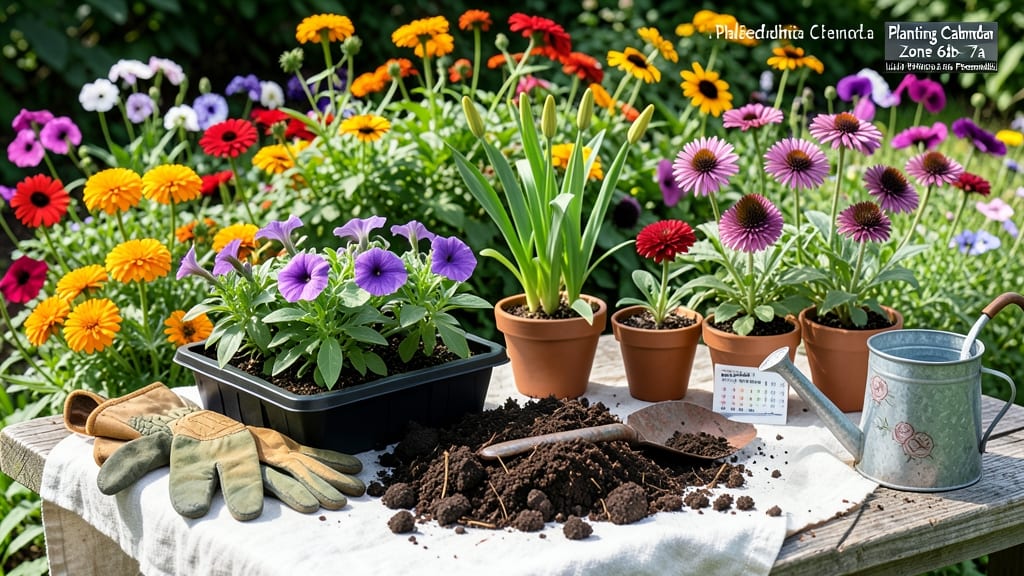
Timing your flower planting in Philadelphia can feel like playing a high-stakes game of chance—one wrong move, and your 🌸 blooms might never make it past the first frost.
With USDA Zone 7a’s last frost typically landing around April 15, knowing the exact windows for annuals, perennials, and bulbs is the difference between a vibrant garden and a sad, shriveled disappointment.
I’ve spent years testing what works in Philly’s unpredictable climate, and the secret isn’t just about waiting for the "right" date—it’s about reading the soil, adjusting for urban heat islands, and choosing flowers that thrive in our short but sweet growing season.
Whether you’re a first-time gardener or a seasoned pro, these insights will help you plant with confidence and avoid common mistakes.
From March to May, the ground thaws and the air warms, but rushing too early can leave delicate plants vulnerable to late frosts. Meanwhile, fall planting (September–October) sets the stage for next year’s blooms.
I’ll break down the ideal windows for each flower type, plus how to tweak timing based on your neighborhood’s microclimate—because what works in Rittenhouse Square might not work in Northeast Philly.
Ready to transform your garden into a year-round showstopper? Let’s dive into the perfect planting schedule for Philadelphia’s unique growing conditions—and keep those 🌸 flowers blooming from spring to fall.
Philadelphia’s last frost dates & ideal planting windows by flower type
Philadelphia’s USDA Zone 7a climate means last frost dates typically range from March 15 to April 15, but urban areas like Center City can experience frost later due to heat islands. To avoid frost damage, I recommend waiting until mid-April for most tender annuals like marigolds and petunias.
Meanwhile, cold-hardy perennials like coneflowers can handle early spring planting as soon as the soil reaches 40°F.
For fall planting, aim for September 1 to October 15—this gives flowers like pansies and calendulas time to establish roots before winter. Bulbs such as tulips and daffodils should go in the ground by mid-October to naturalize for spring blooms.
My rule of thumb? Plant bulbs 6-8 weeks before the first frost (usually around November 15).
Here’s a quick reference for Philadelphia’s frost-free window: The city enjoys roughly 180 frost-free days, so plan your garden to maximize this period. Spring bloomers like peony and daylily thrive when planted in early spring, while summer annuals such as zinnia and cosmos should wait until after May 1 to avoid heat stress.
🌱
| Flower Type | Ideal Planting Window | Notes for Philadelphia |
|---|---|---|
| Annuals (Tender) | April 15–May 15 | Wait for soil to warm; mulch to retain heat. |
| Perennials (Cold-Hardy) | March 1–April 30 | Plant early for root establishment; amend clay soil. |
| Bulbs (Spring Bloomers) | October 1–November 15 | Plant before ground freezes; choose disease-resistant varieties. |
| Fall Annuals (Pansies, Kale) | September 1–October 15 | Start early for fall/winter color; protect from late frosts. |
| Vegetable Flowers (Edible) | April 1–May 10 | Direct sow after frost; succession plant for continuous blooms. |
One of my biggest mistakes early on was planting tender annuals like geraniums too soon—only to watch them crisp in a late frost. To avoid this, I now use row covers or wait until mid-April when the average low temperature consistently stays above 35°F.
For perennials, I’ve found that dividing clumps in early spring (March) gives them a head start, while fall division (September) reduces transplant shock.
Philadelphia’s urban microclimates also play a role. Areas near the Schuylkill River or Fairmount Park tend to frost later than neighborhoods surrounded by pavement. If you’re unsure, test your soil temperature with a soil thermometer—most flowers need soil at at least 50°F before planting.
For container gardening, which is popular in Philly’s small spaces, use heat-absorbing pots (like black plastic) to warm the soil faster. I’ve had great success with potted petunias planted by May 1, as containers heat up quicker than garden beds.
Just remember: containers dry out faster, so water consistently.
Finally, don’t overlook fall planting for next year’s blooms. I plant spring-blooming bulbs like hyacinths in late October to ensure they’re established before winter. For fall annuals, I choose varieties like stock (Matthiola incana), which tolerates light frosts and adds color to winter gardens.
🌿
How to adjust planting times for Philadelphia’s microclimates (urban heat islands & wind exposure)
Philadelphia’s urban sprawl creates microclimates that can shift your planting timeline by weeks—sometimes even months. Pavement, brick buildings, and dense neighborhoods trap heat, while wind tunnels near highways or open spaces can delay warming.
In my North Philly garden, for example, soil warms 2-3 weeks earlier than in South Philly’s shaded alleys. Ignoring these variations means risking frost damage or stunted growth.
Start by identifying your local microclimate. Urban areas like Center City or University City often experience heat islands where temperatures can be 5–10°F warmer than suburban zones like Chestnut Hill.
Use a soil thermometer (available for ~$10) to check if your soil has reached 60°F—the safe threshold for most flowers. I test mine in the morning for accuracy.
Wind exposure is another game-changer. Gardens near I-95 or along the Schuylkill River face stronger winds, which dry out soil faster and stress young plants.
If your area gets consistent wind gusts, opt for sturdy perennials like coneflowers or plant windbreaks (e.g., bamboo fencing or shrubs) to protect delicate annuals like petunias.
🌱
Use a soil thermometer to confirm 60°F+ before planting heat-loving flowers like marigolds or zinnias. In Philly, this often means waiting until mid-April in cooler microclimates.
If your garden is near pavement, plant cool-season crops (like pansies) 2 weeks earlier to avoid heat stress. Conversely, delay tender annuals (e.g., impatiens) until May 1 in hotspots.
In windy areas, use mulch (straw or shredded leaves) to retain moisture and plant wind-resistant varieties like black-eyed Susans or coreopsis. For containers, bury pots halfway in the ground for stability.
Check the NOAA frost prediction map for Philly’s 10-day outlook. If a late frost is forecasted, cover tender plants with frost cloth or move potted flowers to a sheltered spot overnight.
For fall planting, microclimates play a role too. Gardens in elevated areas (like Wissahickon Valley) may experience frost 1–2 weeks earlier than low-lying spots near the Delaware River.
Aim to plant bulbs like tulips by October 15 in cooler zones, but you might have until November 1 in heat-retaining urban pockets.
Pro tip: Keep a gardening journal for 2–3 years to track your local patterns. Note when your first frost hits, how long soil stays warm, and which flowers thrive (or fail) in your microclimate.
Last year, my geraniums bloomed 3 weeks later in my shaded backyard than in my sun-drenched front yard—proof that one-size-fits-all planting charts don’t cut it in Philly.
🌿