
Flowers
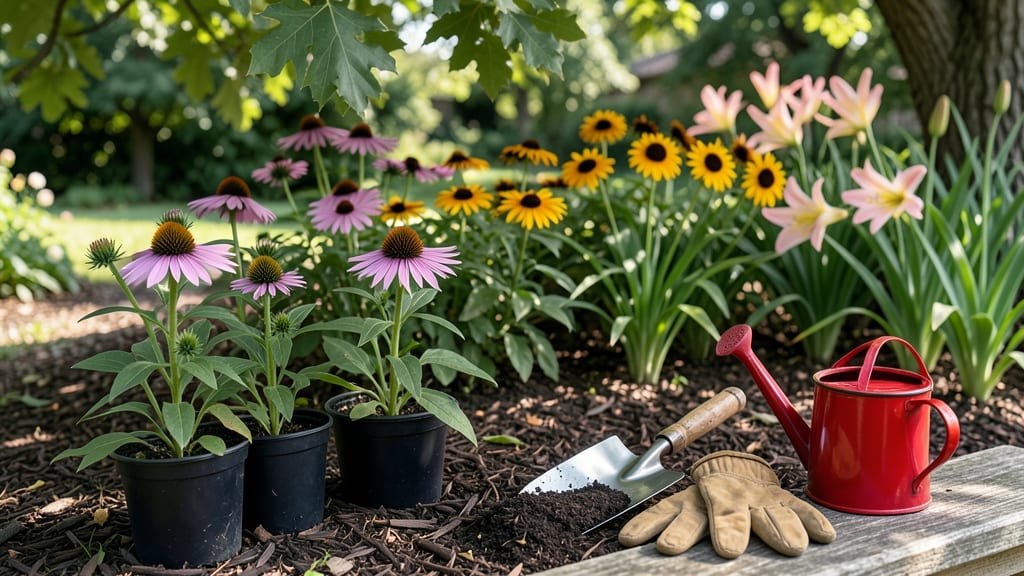
Planting your 🌸 flowers in Chicago at the wrong time means risking frost damage—or worse, watching them never bloom. The city’s USDA Zone 5b climate demands precision, and getting the timing right is the difference between a vibrant garden and a sad, wilted disappointment.
Most gardeners know spring is prime time, but Chicago’s unpredictable frost dates (typically around April 15) make waiting too long just as risky as planting too early.
Whether you’re a seasoned gardener or a first-timer, knowing the exact window for planting annuals, perennials, and bulbs can save you from costly mistakes.
In this guide, I’ll break down the best months to plant flowers in Chicago, including hardiness tips for both urban balconies and suburban yards. You’ll also discover how to extend your blooming season with simple tricks—so your garden stays stunning from spring through fall.
Ready to turn your green space into a showstopper? Let’s dive into the perfect planting schedule for Chicago’s climate, so your flowers thrive year after year.
Exact months to plant flowers in Chicago’s USDA Zone 5b (with frost dates)
Chicago’s USDA Zone 5b climate demands precise timing for flower planting—miss the window, and frost or heat stress can ruin your blooms. The average last frost date ranges from April 15 to May 15, while the first frost typically arrives around October 15.
These dates create your planting calendar, but microclimates (like urban heat islands) can shift them by 1-2 weeks.
For annual flowers, aim to plant after the last frost when soil temperatures hit 60°F. Perennials thrive when planted in early fall (August-September) to establish roots before winter. Bulbs like tulips and daffodils should go in the ground by October for spring blooms.
Chicago’s 165 frost-free days limit your growing season, so plan accordingly.
🌱 Chicago Flower Planting Timeline
| Season | Plant Type | Best Months | Key Notes |
|---|---|---|---|
| Spring | Annuals | April 20 - May 15 | Wait until soil is 60°F+ and frost risk passes. |
| Spring | Perennials | April 1 - May 10 | Plant bare-root perennials in early spring. |
| Fall | Perennials | August 15 - September 30 | Early fall planting strengthens roots before winter. |
| Fall | Bulbs | October 1 - November 1 | Plant tulips/daffodils 6" deep for spring blooms. |
| Summer | Heat-Tolerant Annuals | June 1 - July 15 | Choose marigolds/zinnias for late-season color. |
Chicago’s urban vs. suburban microclimates can shift frost dates by 1-2 weeks. Urban areas (like downtown) often warm up faster, while suburbs (like the northwest side) may hold frost longer. Check local National Weather Service alerts or use a soil thermometer to confirm planting readiness.
For container gardening on balconies or patios, you can plant heat-loving annuals like geraniums or petunias as early as May 1, since containers warm up faster than garden beds. However, always keep row covers handy for late frosts—even in May!
If you’re planting tender perennials (like lavender or salvia), wait until after June 1 to avoid early fall frosts cutting their growth short. These plants need 6-8 weeks of warm weather to establish before Chicago’s first frost in mid-October.
Pro tip: Use frost clocks or local garden forums (like the Chicago Botanic Garden’s community groups) to track real-time frost predictions. These tools adjust for Chicago’s unpredictable weather patterns, giving you a 10-day heads-up before frost strikes.
For bulb planting, like tulips or alliums, aim for October 1-15—this gives roots time to anchor before winter. If you miss this window, wait until early spring (March), but expect fewer blooms. Spring-blooming bulbs need chilling time, so don’t plant them in summer!
Chicago’s short growing season means every day counts. Start seeds indoors in February-March for annuals like marigolds or cosmos, then transplant after the last frost. This extends your bloom time by 4-6 weeks compared to direct sowing.
Remember: Soil temperature matters more than air temperature. Use a soil thermometer to confirm 60°F+ before planting warm-season flowers like zinnias or sunflowers. Cold soil can stunt growth, even if the air feels warm.
Best flowers to plant in Chicago by season (cold-hardy vs. tender varieties)
Chicago’s USDA Zone 5b climate demands flowers that can handle late spring frosts and early fall chills. Not all flowers thrive here—some tender varieties need extra protection, while cold-hardy perennials return year after year with minimal fuss.
Let’s break down the best options for each season, so you can pick winners that bloom reliably in Chicago’s unpredictable weather.
For spring planting, focus on cool-season annuals and hardy perennials that tolerate 40°F soil temperatures. Think pansies, snapdragons, and bearded iris—these tough bloomers handle Chicago’s April showers and May frost risks like pros.
Summer brings heat, so opt for heat-tolerant annuals like zinnias or cosmos, which thrive in 80°F+ temps without wilting.
🌸 Seasonal Flower Guide for Chicago
| Season | Cold-Hardy Picks | Tender Varieties (Needs Protection) | Care Tip |
|---|---|---|---|
| Spring (March-May) | Pansies, Snapdragons, Bearded Iris, Tulips | Petunias, Geraniums, Marigolds | Use row covers for late frosts |
| Summer (June-August) | Coneflowers, Black-Eyed Susans, Daylilies | Zinnias, Cosmos, Impatiens | Water deeply in heatwaves |
| Fall (September-October) | Chrysanthemums, Asters, Russian Sage | Salvias, Dahlias (dig tubers before frost) | Plant perennials by September 15 |
Fall is your best bet for perennial powerhouses like chrysanthemums and asters, which bloom into November and survive Chicago’s first frost. These low-maintenance stars reward you with months of color with almost no effort.
For urban gardeners, container-friendly flowers like pansies and petunias are lifesavers—they bounce back from frost and fit small spaces perfectly.
If you’re planting bulbs, tulips and daffodils are non-negotiable for Chicago gardens. Plant them in October for spring blooms, and they’ll outlast frost like champions. Pro tip: Add a 2-inch layer of mulch after planting to insulate roots during winter temperature swings between 10°F and 30°F.
For summer color bombs, zinnias and cosmos are heat-loving superstars. They self-seed easily, meaning more blooms next year with zero work. Just deadhead spent blooms to encourage new flowers and keep pests at bay.
And if you’re growing dahlias, treat them like annuals—dig up tubers before the first frost or cover heavily with straw mulch.
Remember: Chicago’s microclimates vary wildly—your backyard might be 5°F warmer than your neighbor’s. Observe your space for frost pockets and sun exposure shifts throughout the day. With the right cold-hardy picks and a few protective tricks, you’ll have a flower garden that blooms reliably year after year.