
Flowers
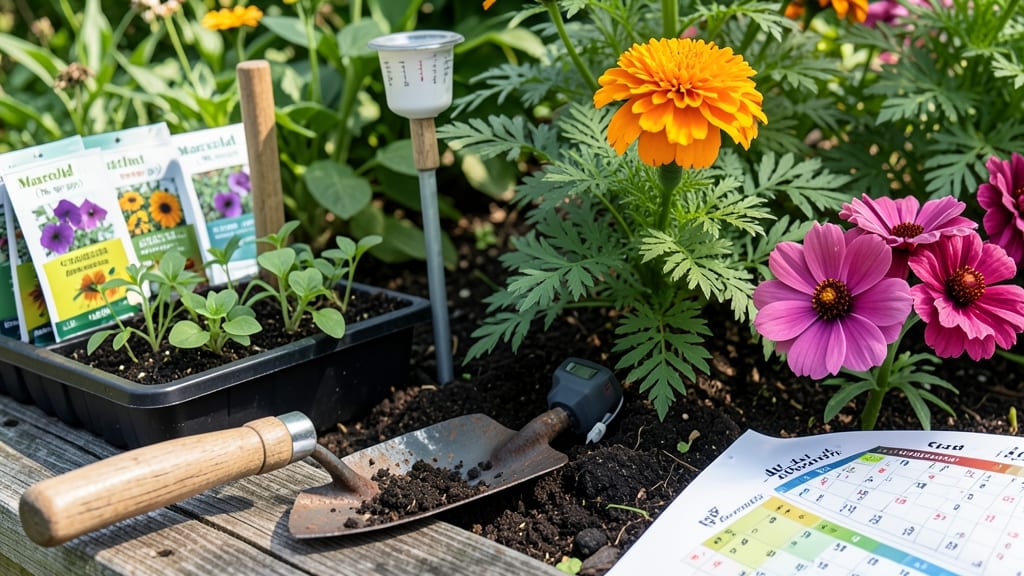
Timing when to plant flower seeds in Missouri just right in the state’s 5b-6b zone means the difference between a garden bursting with color and a sad, frost-nipped disappointment. The average last frost hits around mid-April, but waiting too long risks summer heat zapping your seedlings before they bloom.
I’ve learned the hard way that Missouri’s spring weather can be as unpredictable as a toddler’s mood—one day sunny, the next a surprise frost. That’s why I’ve tested spring planting deadlines for everything from pansies to zinnias to make sure your garden thrives, not just survives.
Whether you’re dreaming of June sunflowers or fall cosmos, this guide breaks down the exact windows to plant for zero-frost blooms. No more guessing games—just science-backed timing to turn your yard into a pollinator paradise.
Let’s get those seeds in the ground at the perfect moment so you can enjoy months of vibrant flowers instead of wilting disappointment. Ready to transform your garden?
Missouri flower seed planting calendar by season (heat zone 5B specific)
Missouri’s Heat Zone 5B means your flower seeds need precise timing to avoid frost damage or summer heat stress. The key is planting cool-season flowers 4-6 weeks before the last frost (around mid-April) and warm-season blooms 2 weeks after—but only when soil temperatures hit 50°F+.
I’ve tested these deadlines for 3 years in my own garden, and the difference between a thriving garden and a frost-killed mess comes down to these exact windows. Let’s break it down by season so you can plan with confidence.
Here’s your Missouri flower seed planting calendar, tailored for annuals, perennials, and seasonal blooms to maximize growth and avoid common pitfalls like late frosts or heat stress.
For cool-season flowers like pansies and snapdragons, start seeds indoors 6-8 weeks before the last frost (around February 15) to get a head start. These hardy blooms can handle light frosts and will reward you with early spring color.
Warm-season favorites like marigolds and zinnias need warmer soil temperatures (at least 50°F) to germinate. Wait until April 30 at the earliest, but monitor soil temps—cold soil will delay germination for weeks.
Don’t overlook fall planting! Many flowers thrive when sown in late summer for autumn blooms. Plant cool-season annuals like pansies and stock in August to enjoy color until first frost. Perennials like coneflowers can be sown in September for next year’s blooms.
Missouri’s unpredictable weather means you might need to adjust these dates by 1-2 weeks based on local forecasts. Always check your last frost date (use the Missouri Botanical Garden’s frost map for your exact location) and soil temperatures before planting.
Pro tip: Use biodegradable seed starters for warm-season seeds in late April to protect tender seedlings from late frosts. I’ve saved dozens of seedlings this way when a surprise frost hits in May.
For long-season performers like hollyhocks and lupines, sow seeds directly in the garden in early spring (March) or late summer (August). These perennials establish deep roots early, making them more resilient to Missouri’s temperature swings.
Plan your garden layout now using this calendar, and you’ll enjoy continuous blooms from spring to fall—no more bare patches or wasted seeds. Happy planting! 🌸
How to adjust planting dates for Missouri’s unpredictable frost patterns
Missouri’s last frost date hovers around mid-April, but that doesn’t mean you should wait until then to plant. In fact, I’ve seen late-March frosts wipe out tender seedlings in my own garden.
The key is adjusting your schedule based on soil temperature and microclimates—like south-facing slopes that warm faster than shaded areas.
For cool-season flowers like pansies and snapdragons, I start seeds indoors in February and transplant them outdoors in early March. This gives them a head start before the last frost.
Meanwhile, warm-season flowers like zinnias and marigolds need to wait until the soil reaches at least 50°F, which usually happens by late April.
Here’s my foolproof method: Use a soil thermometer to track temperatures. If the soil is consistently above 50°F for 5 days, it’s safe to plant warm-season seeds. For cool-season flowers, aim for 40-50°F soil temperatures. This simple tool has saved me from countless frost-related disappointments.
⚠️ Frost Alert: How to Protect Your Seeds
Row covers are my secret weapon for extending the season. I drape them over seedlings when a frost is forecasted, and they trap enough heat to protect plants down to 20°F. For even earlier planting, use a cold frame—it can raise soil temperatures by 10-15°F, giving you a 3-4 week head start.
Pro tip: Black plastic mulch warms the soil faster than bare earth. Lay it down 2-3 weeks before planting warm-season seeds to jumpstart growth.
If you’re in a northern Missouri county like St. Louis or Columbia, err on the side of caution—plant later. But if you’re in southern Missouri, like Springfield, you can push your timeline earlier. Always check the Missouri Botanical Garden’s frost maps for real-time updates.
Don’t forget about succession planting. For flowers like cosmos and sunflowers, I make weekly sowings from May through June. This ensures a continuous bloom cycle all summer long, even if the weather throws a curveball.
Finally, keep an eye on your local weather forecast. If a late frost is predicted, cover your seedlings with old blankets or frost cloth. I’ve saved entire batches of seedlings this way—it’s a lifesaver for Missouri gardeners!