
Plants
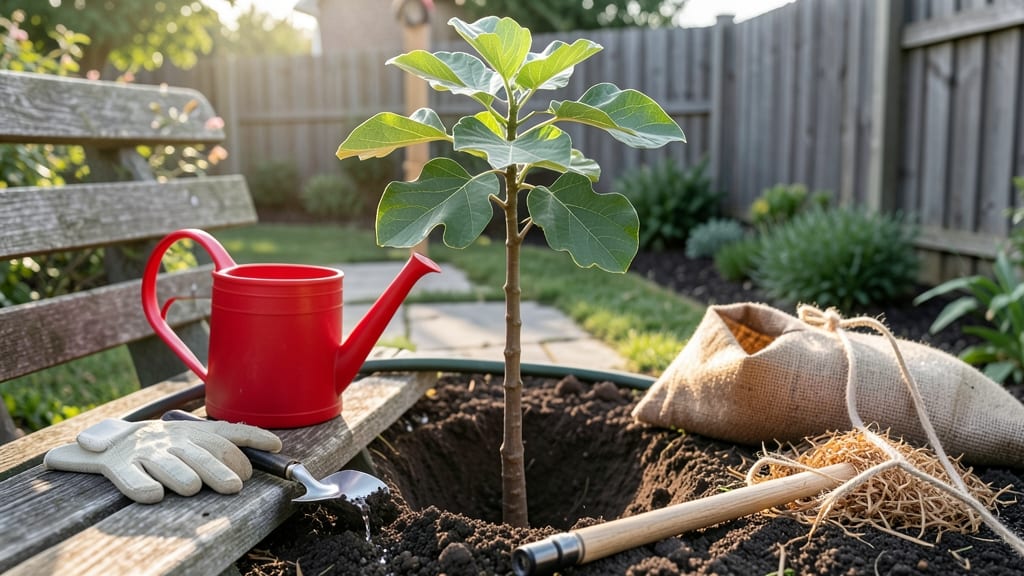
Planting a fig tree in the ground at the wrong time can mean the difference between a thriving fruit-bearing tree and one that struggles—or worse, doesn’t survive at all.
The key to success lies in understanding your local frost dates and hardiness zone, because fig trees are finicky about cold snaps.
In most regions, like USDA Zone 6a, the sweet spot is April to May—right after the last frost has passed. But what if you live in a warmer climate? Or if you’re working with a container-grown tree that needs extra care?
I’ll break down exactly when to plant for your specific conditions, so you can set your fig tree up for a bountiful harvest.
You might think spring is the only option, but some gardeners swear by late summer planting in mild climates. The truth? Timing depends on your location, soil prep, and even the type of fig tree you’re growing.
Let’s dive into the exact steps to plant your fig tree at the perfect moment—no guesswork required.
Whether you’re a first-time gardener or a seasoned pro, getting this right means fewer headaches and more delicious figs in late summer. Ready to learn the easiest way to plant your fig tree for long-term success?
Best planting months for fig trees by USDA hardiness Zones
Fig trees thrive in USDA Hardiness Zones 7-11, but the ideal planting window varies dramatically depending on where you live. In Zone 7, for example, you’ll need to wait until late spring to avoid frost damage, while Zone 10 gardeners can plant almost year-round.
The key is planting when soil temperatures stay above 60°F (15°C) consistently.
For most regions, April through May is the safest bet—after the last frost date but before summer heat peaks. In warmer climates like Southern California or Florida, you can even plant in early fall (September-October) to take advantage of cooler temperatures and winter rains.
However, avoid planting in extreme heat or cold, as both stress young roots.
Here’s a quick breakdown of the best planting months by zone:
| USDA Zone | Ideal Planting Window | Key Consideration |
|---|---|---|
| Zones 7-8 | Late April to early June | Wait until soil warms above 60°F; avoid early spring frosts. |
| Zones 9-10 | March-April or September-October | Spring for new growth; fall for cooler roots. |
| Zone 11 | Year-round (best in winter or early spring) | Avoid peak summer heat; winter planting reduces transplant shock. |
If you’re in a transition zone (e.g., Zone 8a vs. 8b), err on the side of planting later. For example, in Atlanta (Zone 8a), aim for mid-May, while Miami (Zone 10b) gardeners can plant as early as February.
Always check your local last frost date—a quick Google search for "frost dates" plus your city name will save you headaches.
Another critical factor is container-grown vs. bare-root fig trees. Container-grown trees can handle slightly earlier planting because their roots are already established, while bare-root trees need warmer soil to avoid shock. If you’re unsure, opt for late spring planting—it’s safer for both types.
For Northern California or Pacific Northwest gardeners (Zones 7-9), consider early June planting if spring rains delay soil warming. These regions often have cooler, wetter springs, so patience pays off.
Meanwhile, desert climates (e.g., Arizona, Nevada) can plant as early as February, but mulch heavily to retain moisture.
One common mistake is planting fig trees in early spring (March) in colder zones. While the weather might seem mild, a late frost can kill young leaves or even the entire tree.
Always monitor your local 10°F (-12°C) frost risk—fig trees can survive brief dips to 10°F, but prolonged cold weakens them.
Finally, if you miss the spring window, don’t despair! Fig trees are perfect for fall planting in warmer zones. In Zones 9-11, September is ideal because the tree establishes roots before winter rains arrive.
Just avoid planting too close to first frost—aim for at least 6-8 weeks before cold snaps.
Remember, the goal is to give your fig tree 6-8 weeks of warm soil before extreme heat or cold arrives. With the right timing, your tree will reward you with juicy figs in just 1-2 years—no waiting decades like some fruit trees! 🌱
How to prepare your fig tree for ground planting: soil, location & timing tips
Fig trees thrive when planted in the right conditions, but preparation is key to their long-term success. Before you dig, focus on three critical factors: soil quality, sun exposure, and acclimation timing.
Skipping these steps can lead to slow growth or even tree death, especially in colder climates.
Start by testing your soil pH—fig trees prefer slightly alkaline soil between 6.0 and 7.5. If your soil is too acidic, amend it with lime or wood ash 4-6 weeks before planting.
Well-draining soil is non-negotiable; fig trees hate soggy roots, so avoid low-lying areas where water pools.
Choose a sun-drenched spot—fig trees need 6-8+ hours of direct sunlight daily. In my Zone 8 garden, I planted mine near the south-facing fence, where it gets full sun from 10 AM to 4 PM.
Avoid shady areas, even if they seem warm; figs won’t fruit well without enough light.
If you’re transplanting a container-grown fig tree, harden it off for 7-10 days before planting. Move it outdoors gradually, starting with 2-3 hours of morning sun and increasing exposure daily. This helps prevent transplant shock, a common issue with fig trees.
Time your planting to align with local frost dates. Fig trees can survive brief dips to 10°F (-12°C), but prolonged cold weakens them. In Zones 7-9, aim for late April to early May—after the last frost but before summer heat peaks.
For Zones 10-11, plant in late winter (January-February) to avoid summer drought stress.
Finally, inspect the roots before planting. Gently loosen any circling roots and trim damaged ones with sterilized pruners. This encourages outward growth and prevents girdling, which can strangle the tree over time. Mulch with 2-3 inches of organic matter (like wood chips) to retain moisture and regulate soil temperature.
With the right prep, your fig tree will establish quickly and reward you with sweet, homegrown figs in just 1-2 years! 🌱