
Plants
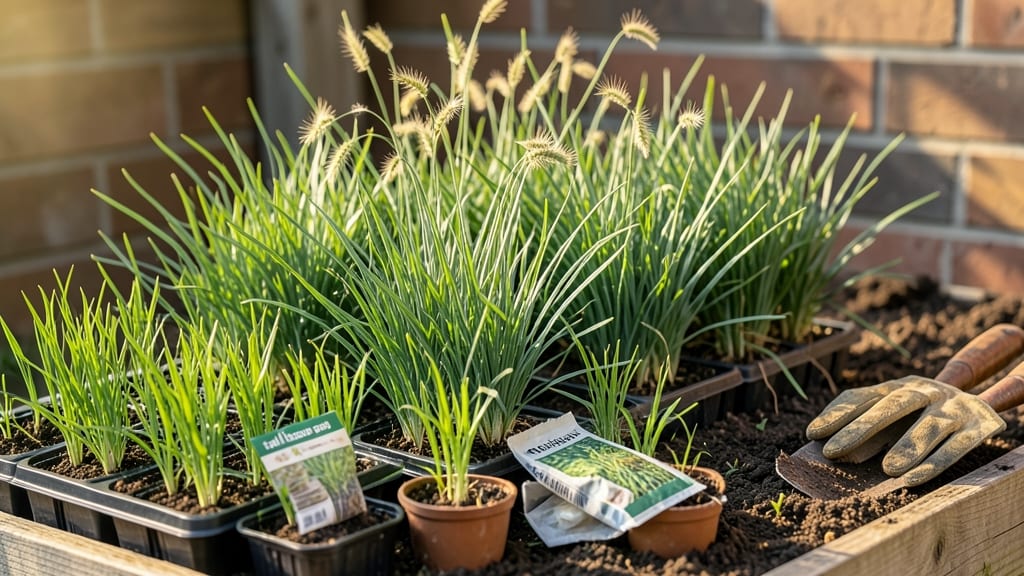
Timing your fescue planting just right in South Carolina is the difference between a fast, deep-rooted lawn and one that struggles to take hold. If you plant too early, the heat will stress your seeds; too late, and frost could stunt their growth before they even get started.
For Zone 7b-8a gardeners, the sweet spot is late summer to early fall—think August through October—when soil stays warm enough to encourage germination but temperatures cool enough to prevent drought stress.
This window lets your 🌱 fescue establish roots before winter sets in, giving you a head start next spring.
Spring planting is also an option, but you’ll need to act fast—March or early April—to avoid the brutal summer heat. The key is getting seeds in the ground 4-6 weeks before the first frost, so they have time to develop strong roots before the cold hits.
Whether you’re in the humid coastal plains or the slightly drier Piedmont region, these timing tips will help your fescue thrive. Let’s break down exactly how to make the most of your planting window.
Best months to plant fescue in South Carolina for maximum root growth
South Carolina’s humid subtropical climate creates perfect conditions for cool-season fescue, but timing is everything. Planting outside the ideal window means slower germination, shallow roots, and a lawn that struggles to handle SC’s hot summers and mild winters.
The key is to align your planting schedule with soil temperatures between 60°F and 75°F—this sweet spot ensures strong root establishment before extreme heat or cold sets in.
For most of South Carolina (USDA Zones 7b-8a), the best planting window is late summer to early fall—specifically August through October. This timing lets fescue seeds germinate in warm soil while avoiding the stress of summer heat.
Early spring (March to early April) is your second-best option, but it requires careful monitoring for sudden frost risks after planting.
Why does this matter? Fescue grass thrives when it can establish deep roots before dormancy. Planting in late summer gives seeds 4-6 weeks of warm weather to sprout before temperatures drop.
By contrast, spring planting risks heat stress if seeds germinate too early, while fall planting too late may leave young grass vulnerable to winter freeze damage.
Here’s the golden rule: Aim to plant 4-6 weeks before the first frost date (typically mid-November in SC). This ensures your fescue has time to develop a strong root system before winter slows growth.
For coastal areas, where frost comes later, you might extend planting into early November, but inland regions should wrap up by late October.
🌱 Fescue Planting Timeline for South Carolina
| Planting Window | Soil Temp Ideal | Key Considerations | Best For |
|---|---|---|---|
| Late August - Mid-September | 70°F - 75°F | Warm soil, minimal summer stress | Fastest germination |
| Mid-September - October | 65°F - 70°F | Cooler nights, less drought risk | Strong root establishment |
| Early March - Early April | 55°F - 65°F | Avoid late frosts; monitor weather | Second-best option |
| November (Coastal Only) | 60°F - 65°F | Higher humidity; watch for fungal risks | Limited to mild microclimates |
⏰ Pro Tip: Use a soil thermometer to confirm temps before planting—aim for 60°F+ for consistent germination.
If you’re planting in early spring, time it right to avoid the March frost risk. Wait until after the average last frost date (around March 15 for most of SC), but don’t delay too long—by mid-April, summer heat can stress young seedlings.
For spring planting, consider starter fertilizer to give your fescue a growth boost during the critical first 30 days.
One common mistake I see in SC gardens? Planting fescue in late spring or summer. The intense heat and humidity create perfect conditions for fungal diseases like brown patch, which can wipe out your lawn before it even establishes.
If you miss the fall window, wait until next year’s early spring—don’t risk planting in summer at all.
For overseeding existing lawns, the timing shifts slightly. Late summer (August) is ideal because warm soil helps seeds outcompete weeds before winter. If your current lawn is thin, this is the best time to thicken it up without smothering existing grass.
Just be sure to mow shorter than usual (1.5–2 inches) before seeding to improve seed-to-soil contact.
Finally, don’t overlook watering schedules during establishment. Newly planted fescue needs 1–1.5 inches of water per week for the first 4–6 weeks, whether from rain or irrigation. In SC’s humid climate, morning watering (before 10 AM) prevents fungal issues while keeping soil consistently moist.
Use a rain gauge to track rainfall—you might not need to water as often as you think!
By following these climate-specific guidelines, your fescue will establish deep, resilient roots and handle SC’s challenges—from summer heat to winter freezes—like a pro. Next, we’ll dive into how microclimates across SC can tweak your planting schedule even further.
How South Carolina's microclimates affect fescue planting timing
South Carolina’s diverse geography—from the humid coastal plains to the Piedmont’s rolling hills—creates distinct microclimates that can shift your fescue planting window by weeks. Coastal areas like Charleston stay warmer longer in fall, while Upstate regions near Greenville experience earlier frosts.
These variations mean a one-size-fits-all approach fails. For example, coastal fescue can handle late October planting, while Upstate fescue may need to start by mid-September to avoid winter stress.
Humidity also plays a role. The coastal low country has higher moisture levels year-round, which can speed up seed germination but increase fungal risks. In contrast, the Piedmont’s drier air may require more frequent watering during establishment.
Even within 50 miles, your elevation changes can drop temperatures by 5–10°F, delaying or advancing your planting timeline significantly.
Here’s how to adjust your schedule based on SC’s three key regions:
| Region | Best Planting Window | Key Climate Factors | Adjustments Needed |
|---|---|---|---|
| Coastal (Zone 8a) | Late August–November 15 | High humidity, mild winters, later frosts | Push fall planting to October to avoid fungal issues |
| Piedmont (Zone 7b-8a) | Mid-August–October 1 | Moderate humidity, earlier frosts, drier summers | Start by September 15 for reliable root growth |
| Upstate (Zone 7b) | Late July–September 30 | Cooler temps, shorter growing season, lower humidity | Plant by September 1 to avoid winter kill |
For coastal gardeners, prioritize late September planting to balance warm soil and shorter days. In the Piedmont, aim for early September to capitalize on residual summer heat before cooler nights set in. Upstate growers should act by August—delaying risks seedling stress from October frosts.
Pro tip: Check your local USDA frost date (typically November 15 in SC) and plant 4–6 weeks prior. Use a soil thermometer—ideal germination temps for fescue are 55–75°F. If your soil runs cooler (common in Upstate), consider a lightweight row cover to extend the season.
Microclimates also dictate watering needs. Coastal areas may need daily watering post-planting due to high evaporation, while Piedmont lawns can stretch to every other day. Always water deeply in the morning to prevent fungal diseases like brown patch, which thrives in SC’s humid conditions.
Finally, remember that spring planting (March–April) works across all regions, but fall is always superior. The key? Adapt your schedule to your local weather patterns—not the calendar. Use your smartphone’s weather app to track 7-day forecasts and adjust as needed.