
Plants
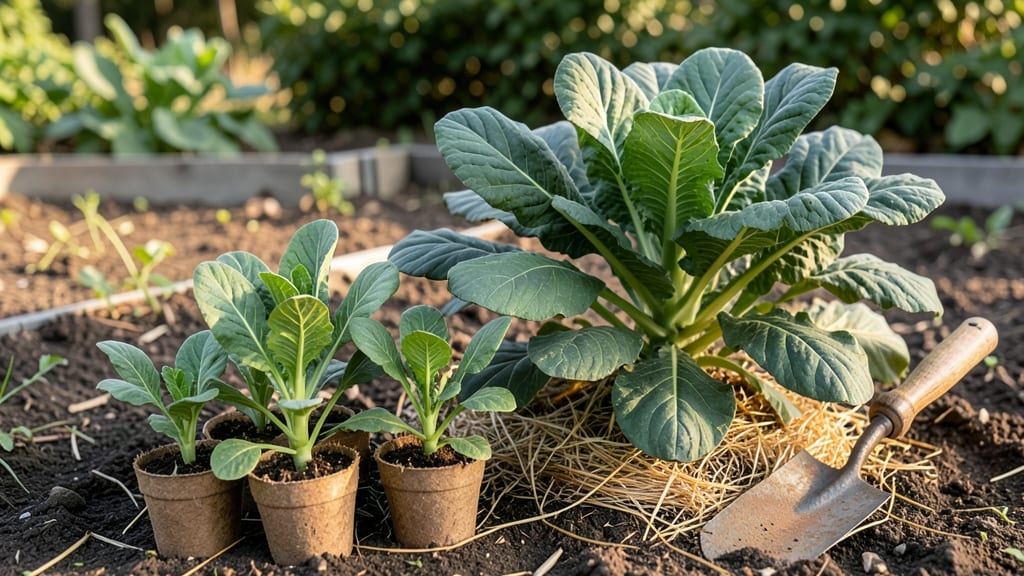
Planting collards in South Carolina at the wrong time can turn your garden into a bitter disappointment—unless you know the exact windows to start seeds or transplants for sweet, tender leaves.
The key lies in understanding your heat zone, whether you're in Charleston's coastal warmth or Greenville's slightly cooler Piedmont climate.
Most gardeners in USDA Zones 7b-8a get two chances: an early spring planting in March-April or a fall window from August-September. But timing isn't just about months—it's about avoiding those 30-degree cold snaps that can shock young plants or the brutal summer heat that makes leaves tough and stringy.
I've learned the hard way that planting too early means struggling with frost damage, while starting too late cuts your harvest short before winter sets in.
The solution? A strategic approach that aligns with your local frost dates and extends your growing season through simple techniques like mulching and succession planting.
Ready to grow collards that taste like they came from a Southern grandmother's garden? I'll walk you through the precise planting schedule for your specific zone, plus pro tips to keep your 🥬 thriving from first leaf to last harvest—no guesswork required.
South Carolina collard planting calendar by heat Zone (8a vs. 8b)
South Carolina’s USDA Heat Zones 8a and 8b create distinct planting windows for collards, with Zone 8a (cooler coastal areas) and Zone 8b (warmer Piedmont) offering slightly different timelines.
The key is planting 4-6 weeks before the last frost for spring or 60-90 days before the first frost for fall harvests.
For Zone 8a (e.g., Charleston, Myrtle Beach), the last frost typically occurs March 15, while Zone 8b (e.g., Columbia, Greenville) averages March 22. Conversely, the first frost in Zone 8a often hits November 15, while Zone 8b may see frost as late as November 22.
This means your spring planting window in Zone 8a is February 20–March 15, while Zone 8b can start as early as February 28. For fall harvests, Zone 8a should plant by August 15, and Zone 8b by August 25 to ensure mature leaves before frost.
Pro Tip: Use soil thermometers to confirm 50°F soil temps before planting—cold soil delays germination.
In Zone 8a, coastal breezes can delay frost, so late August plantings may still yield harvests by November 15. Meanwhile, Zone 8b’s warmer microclimates allow succession plantings every 3 weeks from August through September for staggered harvests.
For spring collards, aim to harvest by June 1 in Zone 8a and June 15 in Zone 8b before summer heat causes bolting (flowering) and bitter leaves. Fall-planted collards should reach maturity by October 31 in both zones.
Regional Tip: Piedmont gardens (Zone 8b) often see hotter summers, so shade cloth during July can prevent leaf stress.
Use row covers in late fall to extend Zone 8a harvests into December—just remove them during mild days (50°F+) to prevent overheating.
Always check local frost dates via the SC State Climatology Office for year-to-year variations.
South Carolina collard planting calendar by heat Zone (8a vs. 8b)
South Carolina’s USDA Heat Zones 8a and 8b create distinct planting windows for collards. In Zone 8a (e.g., Columbia, Greenville), your last frost typically hits mid-March, while Zone 8b (e.g., Charleston) enjoys a 2-3 week longer growing season.
This means your timing must account for these microclimates to avoid frost damage or heat stress.
For spring planting, aim to sow seeds 4-6 weeks before your last frost date. In Zone 8a, this means starting in early February, while Zone 8b gardeners can wait until late February.
Fall planting is equally critical—sow seeds 60-90 days before the first frost (mid-November in most areas) for a harvest before winter sets in.
| Planting Window | Zone 8a (Columbia/Greenville) | Zone 8b (Charleston) |
|---|---|---|
| Spring Planting | Early February - Early March | Late February - Late March |
| Fall Planting | Late July - Early September | Late August - Mid-September |
| Harvest Window | May - June (spring) / Oct - Nov (fall) | May - June (spring) / Oct - Late Nov (fall) |
If you’re in Zone 8a, prioritize fall planting for sweeter, more tender leaves. The cooler temperatures post-summer heat improve flavor, and you’ll avoid the 90°F+ heat stress that can make collards bitter. Meanwhile, Zone 8b gardeners can experiment with succession planting in both spring and fall to extend harvests.
Pro tip: Use row covers or lightweight frost cloth to protect seedlings in Zone 8a if late frosts linger. In Zone 8b, shade cloth can help seedlings avoid midday heat stress during summer planting.
Both zones benefit from well-draining soil with a pH of 6.0-7.0—test your soil in early spring to adjust as needed.
For coastal areas like Charleston (Zone 8b), humidity can increase fungal risks, so space plants 18-24 inches apart for airflow. Inland areas like Greenville (Zone 8a) may face drier conditions—mulch with straw or pine needles to retain moisture and regulate soil temperature.
Remember, collards thrive in cool weather, so avoid planting when soil temperatures exceed 85°F. Use a soil thermometer to monitor conditions—ideal planting temps are 50-70°F. With the right timing, you’ll enjoy tender, flavorful collards from spring through fall! 🥬