
Plants
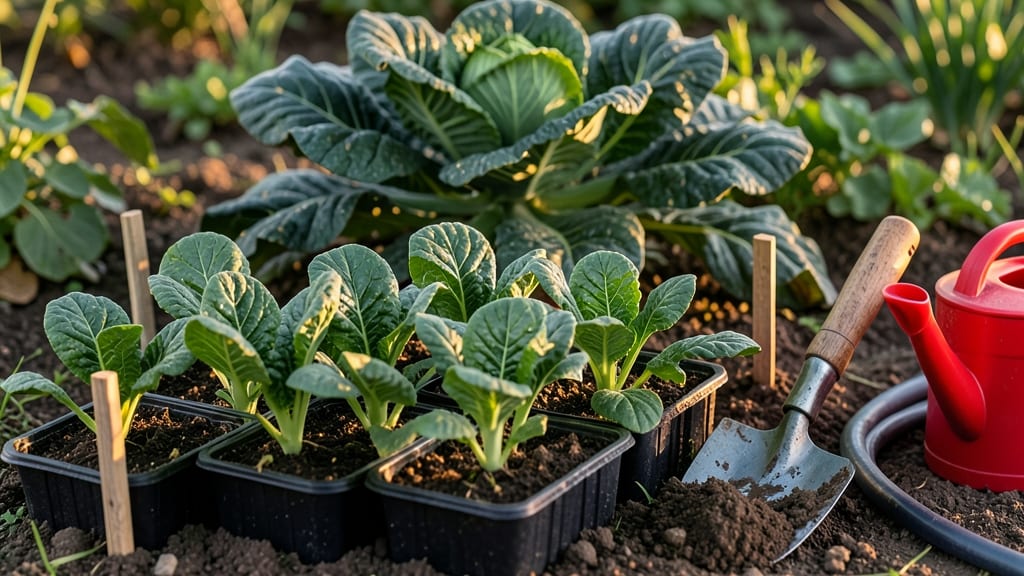
Planting collards in South Carolina at the wrong time can turn your crisp, flavorful harvest into bitter disappointment—but timing them just right means tender leaves all season long.
With the state's mild winters and long growing windows, you’ve got two prime opportunities to get them in the ground: late summer for a fall harvest or early spring for a winter-to-spring bounty.
The key is understanding your region’s frost dates. In USDA zones 7b-8a, coastal areas can handle slightly later plantings than the Piedmont, but both benefit from starting 4-6 weeks before the first frost (usually mid-November).
Whether you’re direct-sowing seeds or transplanting seedlings, these exact windows ensure your 🥬 thrives without bolting or freezing.
Don’t worry if you’re new to collards—this guide breaks down the best frost-resistant varieties for SC’s climate and how to prep your soil for maximum growth. We’ll also cover pro tips to extend harvests, like succession planting and protecting young plants from unexpected cold snaps.
Ready to grow collards that taste sweeter and last longer? Let’s dive into the exact dates, varieties, and techniques that work best for your garden—so you can enjoy homegrown greens from fall right through early spring.
Optimal planting dates for collards in South Carolina by region
South Carolina’s diverse climate—from the cooler Upstate to the milder Coastal Plain—means your collard planting schedule should align with your specific region.
The state’s USDA hardiness zones 7a-8b create microclimates where frost dates vary by 2-3 weeks, so timing is critical for avoiding bitter leaves or premature bolting. Let’s break down the best month-by-month windows for each region to ensure a continuous harvest from fall through spring.
For Upstate SC (Greenville, Spartanburg), where winters are cooler and frosts arrive earlier, aim to plant collards between August 15 and September 15 for a fall harvest. This gives plants 60-75 days to mature before the first frost, typically around mid-November.
A second planting in early March ensures fresh leaves through late spring before summer heat sets in.
Midlands (Columbia, Charleston) gardeners enjoy a slightly longer growing window. Start seeds or transplants between August 1 and September 10 for fall crops, with harvests stretching until early December. For spring, plant again in late February to early March to avoid the occasional late frost that can hit the area around mid-March. Coastal areas like Beaufort or Hilton Head can push fall plantings even later—up to October 1—thanks to their warmer microclimates.
| Region | Fall Planting Window | Spring Planting Window | First Frost | Key Tip |
|---|---|---|---|---|
| Upstate (Zones 7a-7b) | Aug 15 - Sep 15 | Early March | Mid-November | Use row covers for extra frost protection. |
| Midlands (Zone 8a) | Aug 1 - Sep 10 | Late Feb - Early Mar | Early December | Plant heat-tolerant varieties for extended fall harvests. |
| Coastal (Zone 8b) | Aug 15 - Oct 1 | Late Feb - Early Mar | Late November | Soil stays warm longer—direct sow seeds for best results. |
Regardless of your region, soil temperature is your best guide. Collards thrive when soil reaches 50°F, so wait until late summer’s heat subsides before planting. Test your soil’s temperature with a soil thermometer or use the back-of-hand test: if the soil feels warm but not hot, it’s ready.
For transplants, harden them off for 7-10 days before setting them out to avoid transplant shock.
Pro tip: Succession planting every 2-3 weeks between August and October ensures a steady supply of tender leaves. Space plants 12-18 inches apart in rows 2 feet apart to allow airflow and reduce disease risk.
In clay-heavy soils common in the Midlands, amend with compost or aged manure to improve drainage and prevent root rot.
If you’re aiming for a winter harvest, don’t be afraid to plant collards in late September—they’ll tolerate light frosts (down to 20°F) and often taste sweeter after a frost.
Just protect them with row covers or mulch during hard freezes. For spring plantings, time it so seedlings emerge before April’s warmth triggers bolting, which turns leaves bitter and inedible.
Remember, collards are a cool-season powerhouse, but they won’t tolerate summer’s 90°F+ heat. Plan your schedule to harvest before late May, when temperatures rise and growth slows.
With the right timing, you’ll enjoy homegrown collards for nearly 8 months out of the year—from fall’s first chill to spring’s last frost.
For gardeners in Zone 7a (Upstate), where winters are harsher, consider overwintering collards with thick mulch or straw bales to protect roots. In milder Zone 8b (Coastal), you might even get two full harvests per year with careful planning.
The key is adapting to your microclimate—whether that’s a sheltered garden spot or a raised bed with extra insulation.
🌱
Optimal planting dates for collards in South Carolina by region
South Carolina’s diverse climate—from the humid coastal plains to the cooler Piedmont—means your collard planting dates should vary slightly depending on where you live.
For Upstate SC (USDA zone 7b), aim to plant late summer (August) to early fall (September) for a fall harvest, or early spring (March) after the last frost.
In the Midlands (zone 7b-8a), you’ve got a little more flexibility, with ideal windows stretching from August through October for fall crops and February to April for spring.
The Coastal region (zone 8a) enjoys milder winters, so you can push fall plantings even later—September to November—while still harvesting through winter. The key is to plant 4-6 weeks before the first frost (typically mid-November in most areas) to ensure your collards mature before cold snaps hit.
This timing prevents bitter flavors and stunted growth, giving you tender leaves all season.
Here’s how to break it down by region for maximum success:
| Region | USDA Zone | Fall Planting Window | Spring Planting Window | Last Frost Date |
|---|---|---|---|---|
| Upstate | 7b | August 15 - September 15 | March 1 - April 15 | Mid-December |
| Midlands | 7b-8a | August 1 - October 15 | February 15 - April 30 | Early December |
| Coastal | 8a | September 1 - November 15 | February 1 - April 15 | Late November |
For a continuous harvest, many gardeners in South Carolina use succession planting—sowing new seeds every 2-3 weeks from August through October. This ensures you always have fresh leaves ready to pick, even as older plants mature.
If you’re transplanting seedlings instead of direct-sowing, wait until soil temperatures drop below 85°F (usually after early September) to avoid stress on young plants.
Pro tip: Use row covers or lightweight frost cloth in late fall to extend your harvest into winter. This simple trick can add 4-6 extra weeks of growth, especially in the cooler Upstate and Midlands regions. Just remember to remove covers during the day to prevent overheating.
Whether you’re a coastal gardener with a longer season or an Upstate grower facing earlier frosts, these dates will help you avoid the most common mistakes—like planting too early and triggering bolting or too late and risking frost damage.
With the right timing, your collards will reward you with tender, flavorful leaves from fall through early spring.