
Plants
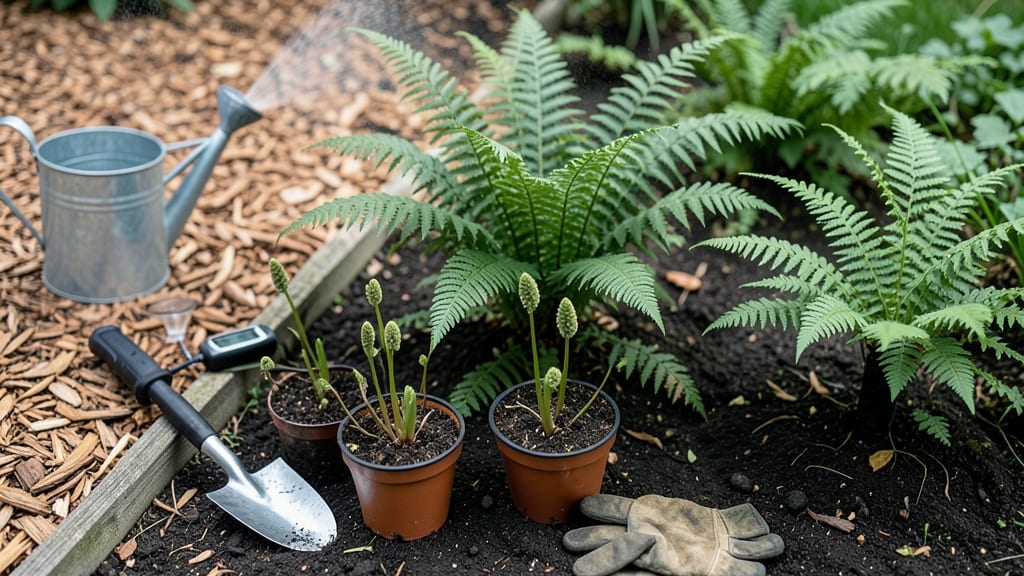
Timing your fern planting in Michigan can mean the difference between lush, thriving 🌿 growth and struggling plants that never quite take off. Since Michigan's climate zones 5b-6b bring unpredictable spring weather, knowing the ideal window is the key to success.
Most gardeners in Michigan get their best results by planting ferns between March and May, when soil temperatures warm up and the threat of late frosts has passed. This gives your delicate ferns the perfect head start in their shady, moist habitats.
But here's the thing: even within these months, not all timing is equal. I'll show you how to read your local frost dates, prepare your soil just right, and choose the perfect fern varieties that'll flourish in Michigan's unique conditions.
Whether you're a seasoned gardener or just starting your green thumb journey, these insights will help you create that dreamy, fern-filled garden that stays vibrant all season long.
Best months to plant ferns in Michigan’s climate zones
Michigan’s USDA hardiness zones 5b-6b mean ferns thrive with the right timing—spring planting is ideal, but fall offers a secondary window. The key is planting when soil temperatures hit 50°F or warmer, usually after Michigan’s last frost date (mid-April), but before summer heat arrives.
For northern Michigan (zones 5), aim for late April to early May when soil warms and frost risk drops. Southern Michigan gardeners (zones 6) can plant as early as March to early April, but avoid planting too soon—cold soil stunts root growth.
Fall planting is less common but works if you plant 6-8 weeks before first frost (early September). This gives roots time to establish before winter dormancy. Never plant in summer—heat stress kills young ferns.
🌿 Michigan Fern Planting Timeline
| Season | Best Planting Window | Soil Temp | Key Consideration |
|---|---|---|---|
| Spring | March (South MI) - May (North MI) | 50°F+ | After last frost, before summer heat |
| Fall | Early September | 60°F+ | 6-8 weeks before first frost |
| Avoid | Summer (June-August) | N/A | Heat stress kills young ferns |
⚠️ Pro Tip: Use a soil thermometer to confirm 50°F+ before planting.
Michigan’s microclimates matter—urban areas warm faster than rural zones. If you live near Great Lakes shorelines, plant 2 weeks earlier due to lake-effect warming. Inland areas should wait until soil is consistently warm.
For container-grown ferns, timing shifts slightly—plant 2-3 weeks earlier than in-ground varieties since pots warm faster. Just ensure containers have drainage holes to prevent root rot in Michigan’s humid summers.
Monitor local weather forecasts for extended cold snaps. If nighttime temps dip below 40°F after planting, cover ferns with frost cloth for the first week to protect tender new growth.
Hardy fern varieties like Ostrich Fern (Matteuccia struthiopteris) or Maidenhair Fern (Adiantum) tolerate Michigan’s climate best. These thrive when planted in partial shade with moist, acidic soil—key for Michigan’s clay-heavy soils.
After planting, mulch with 2-3 inches of organic mulch to retain moisture and regulate soil temperature. This is especially critical in Michigan’s dry summers or wet springs.
Remember: Ferns establish slowly. Give them 2-3 years to reach full maturity in Michigan’s climate. Patience pays off with year-round greenery that outshines seasonal flowers.
Best months to plant ferns in Michigan’s climate zones
Michigan’s USDA hardiness zones 5b-6b mean ferns thrive best when planted during two key windows: early spring or early fall. The ideal timeframe stretches from mid-March to early May for spring planting, aligning with soil warming and last frost dates.
In southern Michigan, you can start as early as late February under frost cloth, while northern regions should wait until late April to avoid frost damage.
For fall planting, aim for September to early October—this gives ferns time to establish roots before winter dormancy. Planting too late (after mid-October) risks exposing young roots to early frosts. Michigan’s 150-180 frost-free days create a narrow window for success, so timing is critical for root establishment.
Soil temperature is your best guide: plant when soil reaches 50°F (10°C) at 4 inches deep. Use a soil thermometer to check—this typically occurs in late April for southern Michigan and early May for northern areas. Warmer soil speeds root growth and reduces transplant shock.
| Planting Window | Soil Temp Threshold | Michigan Region | Key Consideration |
|---|---|---|---|
| Mid-March to Early May | 50°F (10°C) | Southern MI (Zones 6a-6b) | Last frost typically by April 15 |
| Late April to Early May | 50°F (10°C) | Northern MI (Zones 5b) | Last frost often after May 1 |
| September to Early October | 55°F (13°C) | Statewide | 6+ weeks before first frost |
Choose native Michigan fern varieties like Ostrich Fern (Matteuccia struthiopteris) or Lady Fern (Athyrium filix-femina) for best adaptation. These species handle Michigan’s humid summers and cold winters with ease. Avoid tropical ferns like Boston Fern unless you provide winter protection, as they struggle with Michigan’s sub-zero temperatures.
For container planting, extend your window by using black plastic pots to warm soil faster in spring. Place containers in sheltered microclimates (e.g., near foundations or under eaves) to protect roots from late frosts.
In Zone 5b, wait until after May 15 to plant outdoors, even if soil is warm.
Monitor local Almanac frost predictions—Michigan’s weather patterns shift yearly. For example, 2023’s late April frost caught many gardeners off guard. When in doubt, use row covers for the first 2 weeks post-planting to safeguard tender new growth.