
Trees
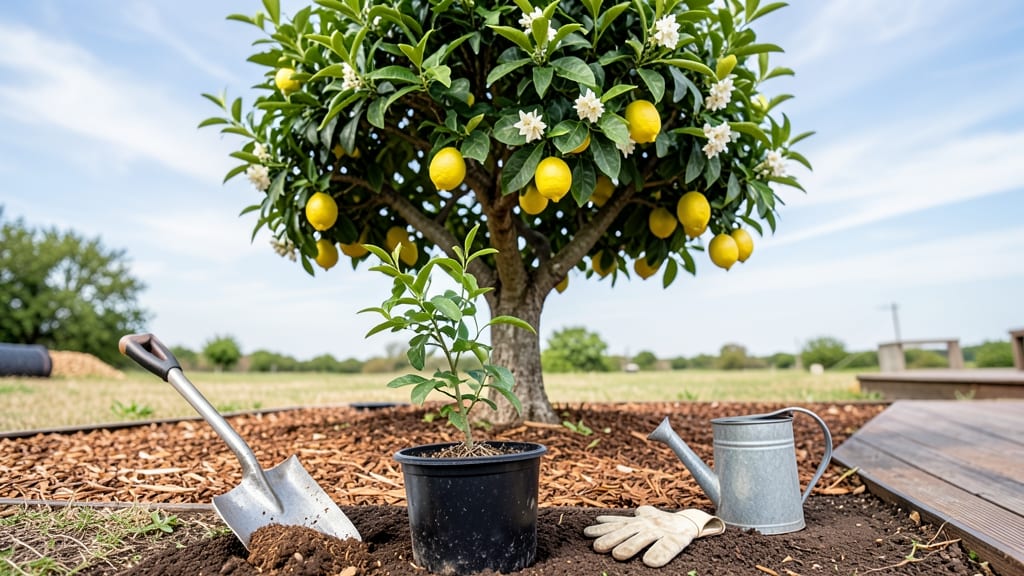
Planting a 🍊 citrus tree in Phoenix might seem tricky with its extreme heat, but the best time to get it right is actually during the cooler months—when the risk of scorching roots or heat stress drops dramatically.
If you’ve ever wondered why some local citrus trees thrive while others struggle, the answer often comes down to timing. Phoenix’s mild winters (especially November through March) create the perfect window for planting, giving young roots a chance to establish before the summer sun intensifies.
I’ll walk you through exactly why these months work, how to prep your soil for Phoenix’s unique microclimates, and even which citrus varieties handle the desert heat best once they’re planted.
Whether you’re a first-time gardener or a seasoned grower, these insights will help you avoid common mistakes and set your citrus tree up for years of fruit production—without the guesswork.
Best months to plant citrus trees in Phoenix for optimal survival
Phoenix’s mild winter temperatures and frost-free climate make it ideal for citrus trees, but planting at the wrong time can stress young roots. The best window is from November through March, when cooler temps and occasional rains create perfect conditions for root establishment.
Citrus trees thrive in Phoenix’s USDA Zone 9b, but they still need protection from extreme summer heat and winter chill. Planting in fall or early spring ensures your tree avoids both heat shock and cold damage, giving it the best chance to flourish.
Here’s how Phoenix’s microclimates affect planting timing. Urban areas stay slightly cooler than desert outskirts, so adjust accordingly. For example, Scottsdale’s urban heat island may require slightly earlier planting than surrounding desert regions.
If you must plant in April or October, do so in the earliest or latest days of those months to minimize heat stress. For example, planting a Meyer lemon on April 1st gives it a better chance than waiting until April 15th.
Phoenix’s desert soil drains quickly, so young citrus trees need consistent moisture during their first year. Water deeply 2-3 times per week after planting in cooler months, then taper to once weekly as temperatures rise in spring.
Container-grown citrus trees adapt more easily to Phoenix’s climate than bare-root seedlings. Choose 1-3 gallon containers for smaller varieties like Calamondin or Kumquat, which establish faster in pots before transplanting to the ground.
Mulch heavily with 3-4 inches of organic mulch (like wood chips) to retain moisture and regulate soil temperature. This is especially critical in urban Phoenix, where pavement can raise soil temps by 10-15°F compared to desert areas.
Watch for aphids and citrus leaf miners in early spring, as new growth attracts pests. Apply neem oil preventatively if planting in March, when temperatures begin to climb but pests are still active.
Remember: Citrus trees in Phoenix can live for decades if planted correctly. Taking the time to choose the right month ensures your tree grows strong, produces fruit, and becomes a stunning centerpiece for your landscape.
Best months to plant citrus trees in Phoenix for optimal survival
Phoenix’s USDA Zone 9b climate means citrus trees can thrive year-round, but planting at the wrong time risks heat stress or poor root establishment. The ideal window for planting citrus trees in Phoenix spans from November through March, when temperatures are cooler and rainfall is more predictable.
This period allows roots to establish before the intense summer heat arrives.
Citrus trees are semi-tropical, meaning they prefer mild temperatures and consistent moisture during their early growth stages. Planting in fall or winter avoids the extreme heat of summer, which can shock young trees and lead to leaf scorch or root burn.
Even Phoenix’s mild winters (rarely dropping below 30°F) are safer for planting than the 110°F+ summers.
Here’s a month-by-month breakdown of what to expect when planting citrus trees in Phoenix, including microclimate considerations for urban vs. desert areas:
| Month | Temperature Range (°F) | Rainfall (inches) | Planting Suitability | Microclimate Notes |
|---|---|---|---|---|
| November | 55-75°F | 0.8 | ✅ Ideal | Cool nights, low humidity; perfect for root growth. |
| December | 45-65°F | 0.9 | ✅ Ideal | Urban areas may have cooler microclimates; protect from Santa Ana winds. |
| January | 48-68°F | 0.8 | ✅ Ideal | Desert areas stay drier; water deeply 2-3x/week. |
| February | 52-72°F | 0.7 | ✅ Ideal | Warmer days; monitor for early signs of stress. |
| March | 58-80°F | 0.5 | ⚠️ Cautionary | Heat increases; plant early in month for best results. |
| April | 65-90°F | 0.2 | ❌ Avoid | Extreme heat; high risk of transplant shock. |
While November through January are the best months for planting citrus trees in Phoenix, February and early March can still work if you take extra precautions.
Avoid planting in April through October, as the intense heat and low humidity can cause transplant shock, leaf drop, or even tree death. If you must plant outside this window, opt for container-grown trees with established root systems, which handle heat stress slightly better.
Urban Phoenix areas, like Scottsdale or Tempe, often have cooler microclimates due to shade from buildings and pavement, making them slightly more forgiving for early spring planting.
In contrast, desert outskirts (e.g., Gilbert or Mesa) experience hotter, drier conditions, so stick strictly to fall or winter planting for best results. Always choose a south-facing location to maximize sunlight exposure and improve fruit production. 🍊
For container planting, timing is less critical, but still avoid **peak