
Plants
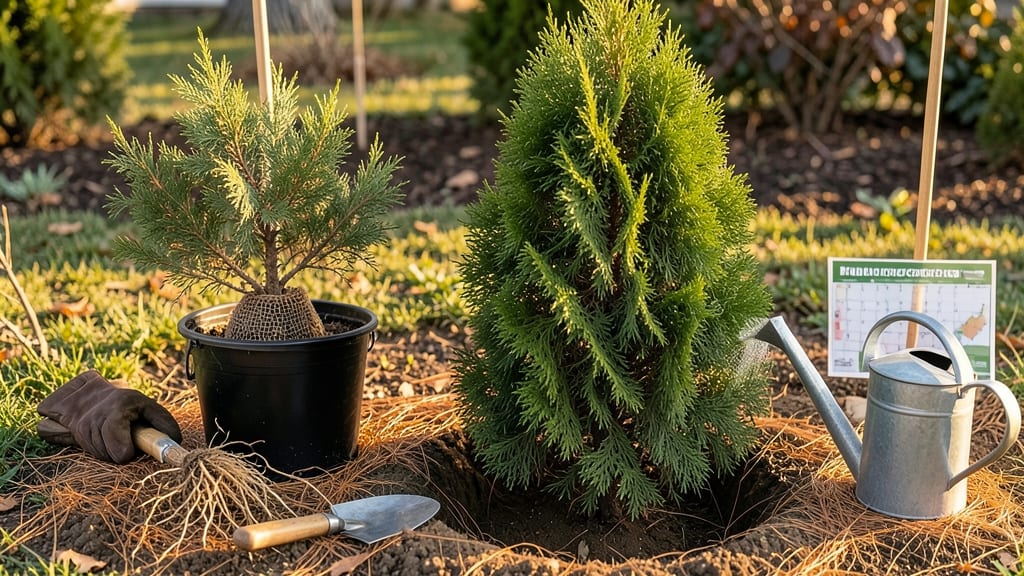
Planting arborvitae 🌲 in Michigan isn’t just about grabbing a sapling and sticking it in the ground—it’s about timing it perfectly to give your evergreen the best shot at thriving through winters that can test even the hardiest plants.
If you’ve ever wondered why some arborvitae struggle while others grow strong for decades, the answer lies in when you plant them. Michigan’s 5b-6b zones demand precision: too early, and frost can damage tender roots; too late, and summer heat stresses young trees before winter hits.
I’ll break down the exact windows—spring and fall—for planting arborvitae in Michigan, including soil prep tips and microclimate considerations that make all the difference. Whether you’re a first-time gardener or a seasoned pro, these insights will help you avoid common pitfalls and set your arborvitae up for long-term success.
Ready to plant with confidence? Let’s dive into the best months, soil conditions, and care steps to ensure your arborvitae takes root and grows into a lush, cold-hardy centerpiece for years to come.
Best planting months for arborvitae in Michigan’s climate zones
Michigan’s USDA zones 5b-6b create a tight window for planting arborvitae—too early, and frost threatens young roots; too late, and winter stress sets in. The sweet spot is early spring (April) or early fall (September-October), when soil temperatures hover between 40°F and 60°F—ideal for root establishment.
Container-grown arborvitae offer flexibility—you can plant them throughout the growing season, but bare-root varieties demand precision. In Michigan’s northern regions (Zone 5b), aim for early May planting to avoid late frosts, while southern Michigan (Zone 6b) gardeners can extend fall planting until mid-October.
Soil temperature is your best guide: use a soil thermometer to confirm 50°F+ at 4 inches deep. Cold soil slows root growth, leaving plants vulnerable to winter burn or drought stress in summer.
Here’s how Michigan’s microclimates shift planting windows:
| Region | USDA Zone | Best Spring Window | Best Fall Window | Soil Temp Threshold |
|---|---|---|---|---|
| Upper Peninsula | 5b | Early May (after last frost) | Late August (6+ weeks before frost) | 50°F+ |
| Northern Lower Peninsula | 5b-6a | Mid-April to early May | September (before Oct 1) | 50°F+ |
| Southern Lower Peninsula | 6a-6b | Late April to May | September-October (before Oct 15) | 55°F+ |
Spring planting gives arborvitae 6-8 weeks of warm soil to establish roots before summer heat arrives. Fall planting is riskier but rewards patience—plants focus on root growth instead of foliage, making them hardier for winter.
For container-grown arborvitae, stretch your window to late May or early November, but avoid extreme heat or frost. These plants adapt better to transplant shock than bare-root varieties, but water deeply after planting to reduce stress.
Pro tip: Acid-loving arborvitae thrive in Michigan’s sandy loam soils, but if your soil tests above pH 6.5, amend with peat moss or sulfur before planting. Slow-release fertilizer (10-10-10) at planting time gives them a growth boost without overloading roots.
Watch for late-season heatwaves in fall—if temperatures spike above 80°F, delay planting until cooler evenings return. Morning planting (before 10 AM) minimizes transplant shock from afternoon sun.
Michigan’s first frost date (around October 20) is your deadline for fall planting. If you miss it, wait until spring 2024—rushing in late fall often leads to winter dieback.
Remember: Arborvitae planted in ideal windows can grow 1-2 feet per year in Michigan’s climate, but poor timing stunts growth for years. Mark your calendar and prioritize root establishment over foliage.
Best planting months for arborvitae in Michigan’s climate zones
Michigan’s USDA zones 5b-6b demand precise timing for arborvitae success. Planting too early risks frost damage, while late planting leaves roots vulnerable to winter stress. The ideal window is early spring (April) or early fall (September-October), when soil temperatures hover between 40°F and 60°F—perfect for root establishment.
Container-grown arborvitae offer more flexibility than bare-root varieties. You can plant them throughout spring and early fall, but avoid extreme heat or frost. Bare-root plants, however, must go in before buds break in spring or at least 6 weeks before first frost in fall to harden off properly.
Northern Michigan’s shorter growing season (zones 4-5) favors spring planting to maximize root growth before winter. Southern Michigan (zones 5b-6) can handle fall planting more reliably, but avoid late October to prevent winter burn.
🌱 Arborvitae Planting Window Comparison
| Plant Type | Best Months | Soil Temp | Key Consideration |
|---|---|---|---|
| Bare-Root | April or Sept-Oct | 40°F-60°F | Plant before buds break |
| Container-Grown | April-October | 50°F-70°F | Avoid extreme heat |
| Northern MI (Zones 4-5) | April-May | 45°F-55°F | Prioritize root growth |
| Southern MI (Zones 5b-6) | Sept-Oct | 50°F-65°F | 6 weeks before frost |
Check your local last frost date (typically April 15) and first frost date (around October 20) to adjust timing. For container plants, remove them from pots 24 hours before planting to prevent root circling—a common mistake in Michigan’s clay-heavy soils.
Pro tip: Amend planting holes with peat moss or compost to improve drainage, especially in wet Michigan soils. Arborvitae hate soggy roots but thrive in well-draining, acidic soil (pH 6.0-7.0). Test your soil before planting to avoid pH-related stress.
Remember: Spring planting gives arborvitae 6-8 weeks of growing season before winter, while fall planting allows roots to establish before summer heat. Either way, water deeply after planting and mulch to retain moisture—critical for Michigan’s dry summers and freezing winters.