
Plants
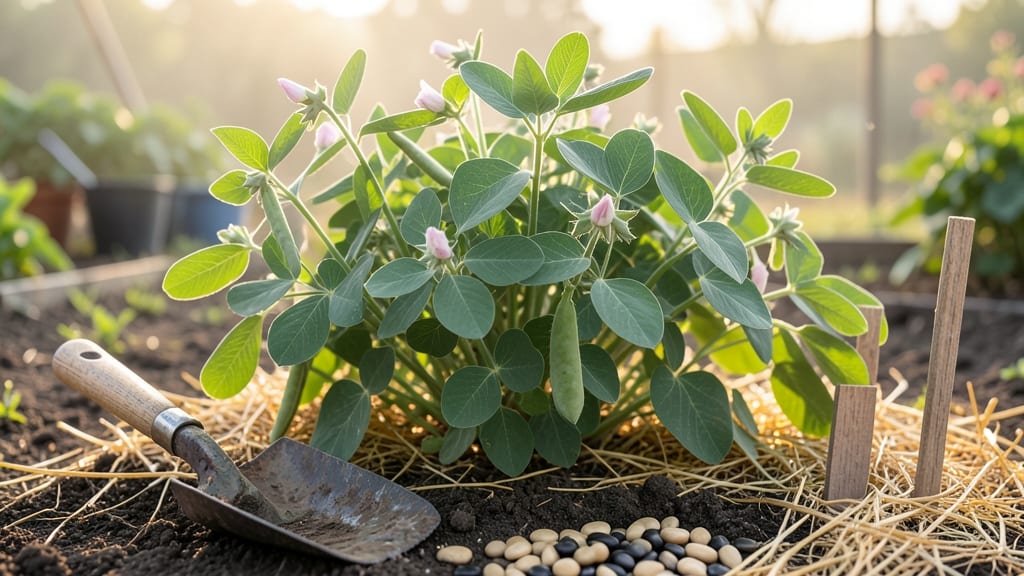
Planting fava beans in California at the wrong time could mean missed harvests or struggling plants—especially when coastal and inland zones have completely different frost rules.
The key to success lies in understanding your microclimate, whether you're in USDA Zone 10 along the coast or Zone 9 inland, where frost can still sneak in by January.
Most gardeners know fava beans thrive in cool weather, but timing matters more than you might think. Fall planting (October-December) gives you a head start, while winter sowing (January-February) works too—if you play by the frost-free rules of your region.
I’ll break down exactly when to plant for maximum yields, so you avoid the 3 most common mistakes that waste time and effort.
Why does this matter? Because a well-timed fava bean crop means tender pods ready by late winter, not tough, woody ones. Whether you're a coastal gardener with no frost worries or an inland grower watching frost dates, I’ve got the data-backed strategy to help you nail your planting window.
Let’s dive into the month-by-month calendar that separates successful harvests from failed attempts—no guesswork, just proven timing for California’s diverse climates.
Optimal fava bean planting calendar for California’s coastal and inland regions
Fava beans thrive in California’s cool-season climate, but timing varies dramatically between coastal and inland regions. Coastal gardeners enjoy year-round mild winters, while inland areas face frost risks as early as December. Understanding these differences ensures your fava beans germinate and grow successfully.
For coastal California (USDA Zone 10), the ideal planting window stretches from October through February. The mild temperatures and lack of frost create a forgiving environment, allowing for succession planting every 4-6 weeks.
In contrast, inland regions (USDA Zone 9) must plant by mid-December to avoid frost damage, with January-February as the last chance for a spring harvest.
| Region | Best Planting Months | Soil Temp (°F) | Frost Risk | Harvest Window |
|---|---|---|---|---|
| Coastal (Zone 10) | October - February | 50-65°F | None | February - April |
| Inland (Zone 9) | September - December | 55-70°F | High (Dec-Feb) | March - May |
| Northern CA (Zone 9) | October - November | 50-60°F | Moderate (Jan-Feb) | April - May |
| Southern CA (Zone 10) | November - February | 55-65°F | Low | February - April |
In coastal areas, aim to plant fava beans when soil temperatures hover between 50-65°F. This range promotes rapid germination (5-10 days) and robust root development.
Use a soil thermometer to verify conditions—cooler soils delay sprouting. For inland gardeners, prioritize September-October plantings to ensure pods mature before January frosts.
Soil preparation is critical. Fava beans prefer well-draining, slightly acidic soil (pH 6.0-7.0). Amend heavy clay soils with compost or sand to improve aeration. In coastal regions, where winters are damp, raise beds to prevent waterlogging, which stunts growth.
Inland areas benefit from mulching (straw or wood chips) to retain moisture during dry spells.
For maximum yield, plant fava beans in succession every 3-4 weeks. This staggered approach ensures a continuous harvest from late winter through early spring. In coastal gardens, you can even squeeze in a fall harvest if planted in September.
However, avoid planting after January in inland zones—summer heat stresses these cool-season crops.
Watch for soil temperature drops below 40°F, which halts germination. If planting in December-January, use row covers or cold frames to protect seedlings. Coastal gardeners can skip this step entirely, but inland growers should always have emergency frost protection ready, especially in Northern California.
Timing isn’t just about months—it’s about microclimates. A south-facing slope in inland areas warms faster than a north-facing valley, creating a 2-3 week planting window shift. Use local weather stations or USDA frost maps to fine-tune your schedule.
For example, Sacramento (Zone 9) may need November plantings, while San Diego (Zone 10) can plant until February.
Pro tip: Test soil moisture before planting. Fava beans need consistent moisture but hate soggy roots. In coastal regions, water deeply 2-3 times per week during dry spells.
Inland areas may require drip irrigation to prevent evaporation. Always water at soil level to avoid fungal diseases like root rot.
Finally, choose California-adapted varieties like 'Aquadulce Claudia' (drought-tolerant) or 'Early Egyptian' (fast-maturing). These perform best in mild winters and avoid heat stress. Pair them with trellises to save space and improve air circulation, reducing pest and disease risks.
With the right timing, your fava bean harvest will reward you with sweet, protein-rich pods—just in time for spring salads and soups! 🌱
How to adjust planting dates based on microclimates and frost risks
California’s diverse climate means your fava bean planting dates should shift dramatically depending on whether you’re near the coast or inland. Inland areas like the Central Valley experience colder winters with frost risks, while coastal regions like San Diego enjoy mild winters and frost-free growing seasons.
Understanding these differences helps you avoid premature planting or missed harvest windows.
For coastal gardeners, you can plant fava beans almost year-round, but the ideal window stretches from October through February. The mild climate means no frost worries, but late winter heat can stress young plants.
In contrast, inland gardeners must plant between September and November to ensure seeds germinate before the first frost—typically around December 15.
Use row covers or cold frames to extend your planting window by 4-6 weeks in both regions. These tools create a microclimate that protects seedlings from light frosts (28-32°F) and allows you to plant as late as January in inland areas.
For coastal gardeners, row covers can help manage winter rains that might otherwise wash away seeds.
Succession planting is another key strategy. Inland gardeners can make weekly sowings from September through November to stagger harvests. Coastal gardeners benefit from bi-weekly plantings in October and February to avoid gaps in production. This method ensures a steady supply of fresh pods from February through April.
Monitor soil temperatures—fava beans need soil at 45-55°F to germinate. Use a soil thermometer to confirm readiness, especially in inland areas where daytime warmth can fool you into planting too early. Coastal soils often stay cooler longer, so wait until temperatures stabilize before sowing.
Finally, track your local frost dates using resources like the USDA Plant Hardiness Zone Map or your local Cooperative Extension office. Adjust your planting timeline by 2-3 weeks if your microclimate runs cooler or warmer than average.
With these adjustments, you’ll maximize your harvest success regardless of where you garden in California. 🌱