
Plants
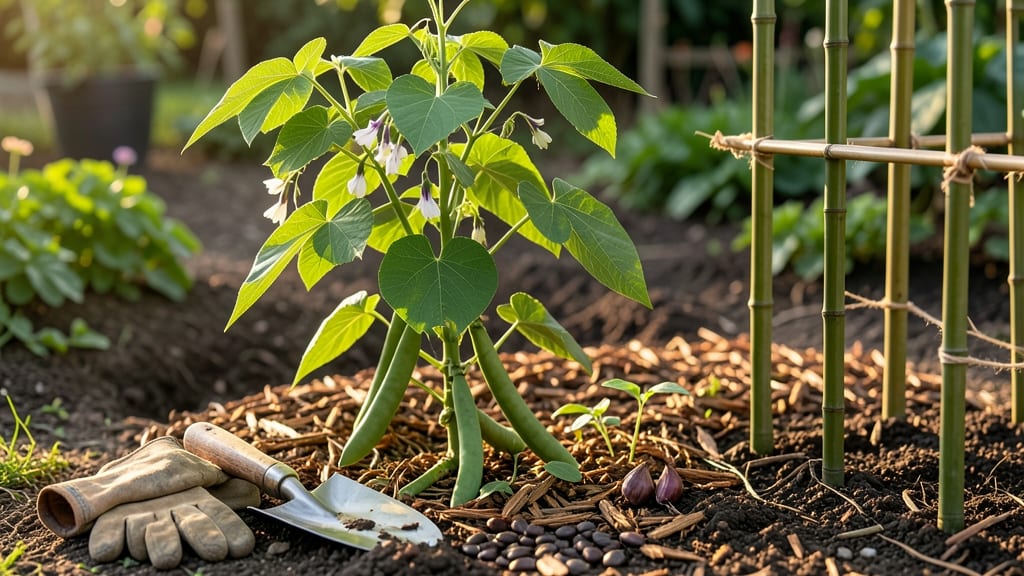
Planting beans in California at the wrong time can turn your garden dreams into a sad pile of wilted 🌱 plants—so getting the timing right is your secret weapon for a bumper crop.
The best months depend on where you live, whether you're growing pole beans that climb or bush varieties that stay compact, and even the microclimate of your backyard.
In coastal areas like San Francisco, you can plant beans almost year-round thanks to mild winters, but inland valleys and desert regions demand a tighter schedule. The key is understanding your USDA zone—whether you're in 9-10 (coastal) or 8-9 (inland)—and adjusting for heat waves that can stress young plants.
I’ve tested this myself: planting too early in the desert’s chill or too late in the valley’s heat leads to stunted growth. But with the right strategy—like choosing heat-tolerant varieties or using shade cloth—you can extend your harvest window from spring to fall.
Let me show you exactly when to start seeds and transplant for maximum success.
Whether you’re a beginner or a seasoned gardener, these insights will help you avoid common pitfalls and harvest beans consistently. Ready to turn your garden into a bean-producing powerhouse? Let’s get started.
California bean planting calendar: month-by-month guide for pole vs. bush varieties
California’s diverse climate—from coastal fog to desert heat—means one planting schedule doesn’t fit all. Whether you’re growing pole beans like Kentucky Wonder or bush beans like Blue Lake, timing is critical to avoid heat stress or cool-season failures.
Let’s break down the best months for each microclimate, including USDA zone adjustments for your region.
For coastal areas (USDA zones 9-10), beans thrive year-round, but spring and fall offer the best balance of warm soil and moderate temperatures.
Inland valleys (zones 8-9) should focus on spring planting to escape summer’s scorching heat, while desert regions (zones 9b-11) can plant in winter for cooler growing conditions.
Here’s your month-by-month planting guide, tailored to California’s three main climates:
| Month | Coastal (Zones 9-10) | Inland Valleys (Zones 8-9) | Desert (Zones 9b-11) |
|---|---|---|---|
| January | ✅ Fall crops (if soil >55°F) | ❌ Too cold | ✅ Winter planting (soil >60°F) |
| February | ✅ Best month (60-70°F soil) | ✅ Start early (warmer microclimates) | ✅ Peak winter (ideal temps) |
| March | ✅ Prime time (70-75°F soil) | ✅ Primary window (avoid heat) | ✅ Spring prep (soil warming) |
| April | ✅ Still ideal (use shade cloth) | ⚠️ Risk of heat (late April) | ✅ Spring harvest (fast growth) |
| May | ⚠️ Shade cloth (afternoon sun) | ❌ Too hot (avoid inland) | ❌ Extreme heat (skip) |
| June | ❌ Heat stress (coastal too) | ❌ No planting (100°F+) | ❌ Dormant season |
| July | ❌ Peak summer (skip) | ❌ No planting |
How to extend bean harvests in California’s short growing seasonsCalifornia’s diverse climate—from coastal fog to desert heat—can make growing beans a challenge if you don’t plan ahead. The key to year-round harvests lies in succession planting, soil temperature tricks, and shade-cloth hacks that protect tender seedlings. Unlike many crops, beans thrive in short growing seasons (just 50-70 days to harvest), but only if you time them right. Start by planting drought-resistant varieties like ‘Rattlesnake’ beans, which tolerate heat and dry spells better than traditional types. These varieties also pair well with companion plants like marigolds (which repel pests) or basil (which improves flavor). For coastal gardeners, you can even plant beans in late fall for a winter harvest, thanks to milder temperatures. 🌱 5 Proven Strategies to Extend Your Bean Harvest
For desert gardeners (e.g., Coachella Valley), focus on heat-tolerant varieties like ‘Scarlet Runner’ and plant in winter months (November-February) when temperatures drop below 90°F. Mulch with straw to retain moisture and avoid soil crusting from frequent watering. In inland valleys (e.g., Central Valley), aim for spring and fall plantings to avoid summer heat stress. Use trellises for pole beans to save space and improve airflow, reducing the risk of powdery mildew. Harvest every 2-3 days to encourage more production—beans left on the vine too long become woody and tough. 🌿 |