
Plants
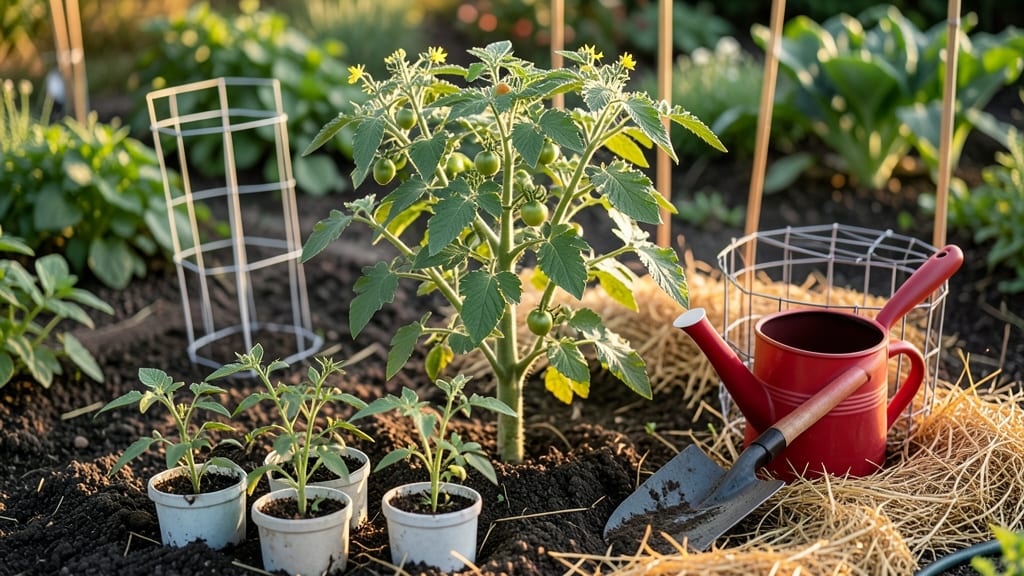
Planting tomatoes in Houston’s fall heat isn’t just about timing—it’s about beating the clock before winter sets in. The exact weeks between early September and mid-October are your golden window to avoid bolting (when plants flower too early) and ensure a sweet harvest before the first frost in mid-December.
Most gardeners in Zone 9a miss this narrow window, but with the right varieties like ‘Celebrity’ or ‘Solar Fire,’ you can outsmart Houston’s unpredictable weather.
I’ve grown tomatoes here for years, and I’ll show you how to pick the perfect planting date, prep your soil, and choose heat-tolerant plants that thrive even as temperatures dip.
Why does timing matter so much? Because one wrong week can mean the difference between a lush harvest and a sad, early-sprouting plant. We’ll break down the science behind Houston’s microclimates and how to adjust if you’re late—but still want tomatoes on your table by November.
Ready to grow 🍅 that actually ripens? Let’s dive into the step-by-step guide that’s helped Houston gardeners like you beat the heat and harvest until December.
Houston’s fall tomato planting calendar: exact weeks to avoid bolting
Houston’s USDA Zone 9a climate means fall tomatoes thrive when planted at the perfect moment—too early, and your plants bolt from residual summer heat; too late, and frost cuts harvests short.
The ideal 4-week window runs from mid-August to early September, giving plants time to establish roots before cooler weather arrives.
This timing aligns with Houston’s average first frost date of December 15, ensuring a 3-4 month growing season for fall tomatoes. Planting in these weeks also avoids the 90°F+ heat waves that can stress young seedlings, while still allowing enough warmth for strong root development.
For transplants (not seeds), aim for mid-August to early September—this gives plants 6-8 weeks to mature before cooler temps slow growth. If starting from seed, begin indoors 8-10 weeks before transplanting (around early July) to meet the same timeline.
Key factors influencing this window include:
- Soil temperatures (ideal: 65-75°F)
- Daytime highs (target: 80-85°F)
- Nighttime lows (avoid below 55°F)
| Stage | Action | Houston Timeline |
|---|---|---|
| Seed Starting (Indoors) | Sow seeds 8-10 weeks before transplant | Early July |
| Transplanting | Move seedlings to garden | Mid-August to early September |
| Flowering | Expect blooms 4-6 weeks after transplant | Late September to October |
| Harvest | Pick ripe tomatoes before frost | October to December |
Heat-tolerant varieties like ‘Celebrity’ or ‘Solar Fire’ are my go-to choices for Houston’s fall garden. These types handle 85-90°F days better than standard varieties, reducing the risk of bolting (when plants flower prematurely due to heat stress). Even with perfect timing, monitor plants for signs of stress—wilting leaves or yellowing stems mean it’s time to adjust watering or provide shade.
Pro tip: Use black plastic mulch to warm soil and deter weeds, which speeds up early growth by 2-3 weeks. This is especially critical in Houston’s sandy, fast-draining soils, where moisture retention is key.
Pair this with drip irrigation to keep roots consistently hydrated without overhead watering that spreads disease.
If you’re in North Houston (cooler microclimates), shift planting 1-2 weeks later (early September). Conversely, South Houston areas can handle mid-August plantings thanks to warmer soil. Always check your local AgriLife Extension updates for real-time adjustments based on recent weather patterns.
Remember: Tomatoes need full sun (6-8+ hours daily)—so choose a spot that gets unobstructed sunlight from 8 AM to 6 PM. In Houston’s dense urban areas, this might mean vertical growing (trellises) to maximize space and airflow, reducing fungal risks like early blight that thrive in humid conditions.
By locking in these exact weeks, you’ll avoid the two biggest fall tomato pitfalls in Houston: heat-induced bolting and frost-nipped harvests. With the right timing, you’re guaranteed sweet, vine-ripened tomatoes from October through December—just in time for holiday feasts!
How to adjust planting dates for Houston’s microclimates (and what to do if you miss the window)
Houston’s heat doesn’t vanish overnight, so even if you miss the ideal mid-August to early September window, you can still grow tomatoes—with adjustments. The key is understanding your local microclimate, which can vary by just a few blocks due to urban heat islands or shaded areas.
For example, areas near Galleria often stay warmer longer than Memorial Park zones.
If you’re planting late August or early September, focus on heat-tolerant varieties like ‘Heatmaster’ or ‘Solar Fire’ and use shade cloth (30-50%) during peak afternoon sun. This buys you 2-3 extra weeks before heat stress becomes critical.
For staggered planting, start with a few plants in late August, then add more every 2 weeks until mid-September.
Here’s the critical backup plan if you’re late: Switch to container gardening with 5-gallon pots. Containers warm up faster in fall but also cool down quicker, giving you more control over soil temperature. Place them near south-facing walls or under drip irrigation to maintain moisture during Houston’s unpredictable September rains.
🚨 Warning: If you plant after mid-September, your tomatoes may not mature before Houston’s first frost (December 15). Even ‘Mountain Merit’ or ‘Stupice’—cold-tolerant varieties—struggle to ripen if nights drop below 50°F. Use row covers or move pots indoors near a sunny window if frost threatens.
⚠️ Late Planting Risks in Houston
- Bolting: Plants may flower too early (before 60-day maturity)
- Blossom Drop: Temperature swings cause flowers to fall off
- Pests: Whiteflies and aphids thrive in warm fall soil
- Fungal Risk: High humidity + cool nights = early blight
Use mulch and drip irrigation to mitigate these risks.
For soil preparation, Houston’s clay-heavy soil needs amending with compost and perlite to improve drainage. Test your soil’s pH—aim for 6.2-6.8.
If planting in raised beds, fill them with a mix of topsoil, compost, and coconut coir to retain moisture while preventing waterlogging during Houston’s sporadic rain showers.
Pro tip: Hardening off seedlings for 7-10 days before transplanting is non-negotiable in Houston’s fall. Our humidity spikes and temperature swings can shock plants if you rush them. Start by exposing seedlings to morning sun only, then gradually increase to full sun by day 5.
Even if you’re late, greenhouse setups or sunrooms can extend your season. Place tomato cages or trellises near south-facing windows and supplement with grow lights (12+ hours/day) if natural light drops below 6 hours. This method lets you harvest cherry tomatoes well into November.