
Companion Plants
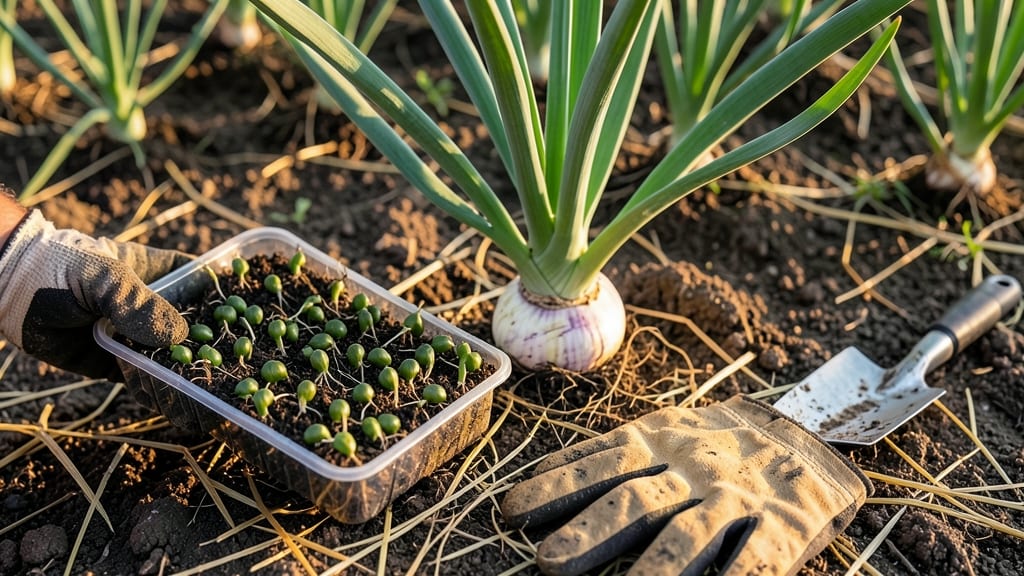
Planting onions in Zone 6 at the wrong time can mean the difference between a bumper crop of 🧅 and a sad, bolted mess.
The key isn't just when you plant—it's understanding the exact weeks before your last frost that give these root veggies the head start they need to thrive.
Most gardeners in Zone 6 (think Midwest or Northeast) assume spring is the only window, but fall planting can actually give you a second harvest before winter sets in.
I'll show you the precise timing that works for both methods, so you never miss the sweet spot between frost dates and peak flavor.
Whether you're starting with onion sets, seeds, or transplants, this guide cuts through the guesswork. You'll learn how to adjust for your specific microclimate, prep soil like a pro, and pick the best varieties for your region—all to ensure your onions grow strong, not stringy.
Ready to stop second-guessing and start planting with confidence? Let's dive into the exact schedule that'll have your onions reaching for the sky instead of bolting before their time.
Zone 6 onion planting schedule: exact weeks before last frost for bulb vs. green onions
In Zone 6, your last frost date typically lands around April 15, but this can shift ±10 days depending on your exact location.
For bulb onions, aim to plant 4-6 weeks before this date—usually mid-to-late March—to give them enough time to mature before summer heat. Green onions, however, are more flexible and can handle cooler temps, so you can start them 2-3 weeks earlier.
Onions are cool-season crops, meaning they thrive when soil temps hover between 40°F and 65°F. If you plant too early and soil temps dip below 40°F, your onions may rot or fail to sprout.
Conversely, planting too late risks bolting (premature flowering) as temps rise, ruining your harvest. Zone 6’s short growing season demands precision!
For most of Zone 6, that means March 15–April 1 is your prime window for planting onion sets or seeds.
If you’re growing from seeds, start them indoors 8-10 weeks before your last frost date for an early jumpstart. Transplants can go in 2-3 weeks before your target date, giving them a head start.
📅 Zone 6 Onion Planting Timeline
| Onion Type | Planting Window | Key Notes |
|---|---|---|
| Bulb Onions (Sets/Seeds) | 4–6 weeks before last frost (Mid-March–Early April) | Soil temp ≥ 40°F; avoid bolting with shade cloth if needed. |
| Green Onions (Scallions) | 2–3 weeks before last frost (Late February–Early March) | Tolerates cooler soil; harvest green tops all season. |
| Fall-Planted Onions | 8–10 weeks before first frost (Mid-August–Early September) | Best for short-day varieties like ‘Red Baron’; harvest before hard frost. |
Did you know? Zone 6 gardeners can actually plant onions twice a year: once in early spring for a summer harvest and again in late summer for a fall crop.
The key is choosing the right varieties—short-day onions (like ‘1015Y Yellow’) are ideal for fall planting, while long-day onions (like ‘Sweet Sandwich’) suit spring.
If you’re unsure about your exact last frost date, check the USDA Plant Hardiness Zone Map or use a local frost calendar. For example, Chicago (Zone 5b) may need to plant 2 weeks later than Raleigh (Zone 7a).
Adjust your timeline based on your microclimate—higher elevations or northern Zone 6 areas will have later frost dates.
Pro tip: Use onion sets (small bulbs) for a faster harvest in Zone 6’s short season. Sets sprout quicker than seeds and give you 30–40 days head start.
If you’re starting from seeds, opt for transplants to skip the slow germination phase. Direct-sowing seeds can work but require consistent moisture and patience.
For green onions, you can even plant successive crops every 2–3 weeks from March through July for a continuous harvest. This works because green onions mature in just 60–70 days, so you won’t outpace your Zone 6 growing season.
Just be sure to thin seedlings to 2 inches apart to prevent competition.
One common mistake in Zone 6 is waiting until April to plant onions, assuming the risk of frost has passed. But late frosts can still hit in May, especially in northern Zone 6. Always have row covers ready to protect young plants if unexpected cold rolls in.
Finally, remember that onions need full sun—6+ hours daily—to develop sweet, plump bulbs.
If your Zone 6 garden has partial shade, prioritize planting onions in the sunniest spot and consider dwarf varieties like ‘Texas Early White’ for smaller spaces. Soil prep is equally critical: amend with compost and a balanced fertilizer (like 5-10-10) before planting to ensure robust growth.
Zone 6 onion planting schedule: exact weeks before last frost for bulb vs. green onions
In Zone 6, your last frost date (around April 15) isn’t just a calendar event—it’s the countdown to onion planting. For bulb onions, aim to plant 4-6 weeks before that date, giving them time to establish roots before summer heat.
Green onions, however, are more flexible and can handle late spring plantings too.
Don’t overlook fall planting—it’s your secret weapon for a second harvest. Plant 8-10 weeks before your first frost (around October 15) to enjoy onions before winter sets in. This two-season strategy ensures you’re never without fresh onions in Zone 6’s short growing season.
| Planting Method | Best Time to Plant | Weeks Before Frost | Soil Temp Threshold | Harvest Window |
|---|---|---|---|---|
| Bulb Onions (Sets/Seeds) | Early Spring | 4-6 weeks | 40°F+ | Late spring to early summer |
| Green Onions (Scallions) | Late Spring or Fall | 2-4 weeks (spring) / 8-10 weeks (fall) | 35°F+ | Spring: Early summer / Fall: Late fall |
| Fall-Planted Bulbs | Late Summer | 8-10 weeks | 50°F+ | Late fall (before hard frost) |
Your soil temperature is just as critical as frost dates. Onions need soil at least 40°F for sets and 50°F for seeds to germinate properly. Use a soil thermometer to check—if it’s colder, wait or use a cloche or row cover to protect young plants.
For green onions, you’ve got more wiggle room. They tolerate cooler temps and can even handle light frosts, making them perfect for late spring or early fall plantings. This flexibility lets you extend your harvest season without the risk of bolting that plagues bulb onions.
Pro tip: If your Zone 6 spring feels unusually cold, opt for onion sets over seeds—they sprout faster and give you a head start. For fall plantings, choose short-day varieties like ‘Red Baron’ or ‘Candy’ to avoid bolting before winter.
Remember, consistency is key. Once your onions are in the ground, maintain even moisture and full sun to prevent bolting. With these exact timelines, you’ll be harvesting plump, flavorful onions all season long.