
Plants
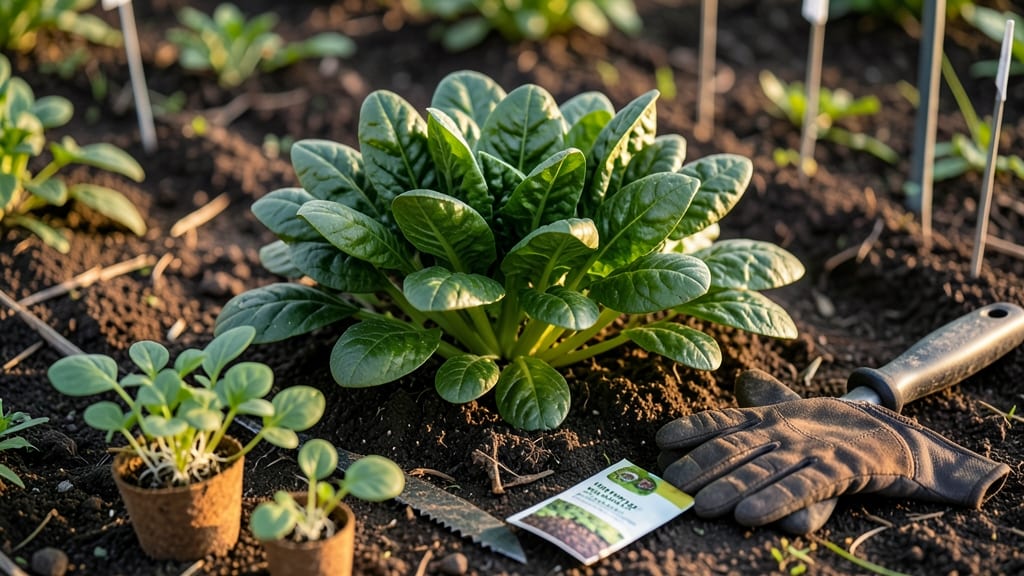
Planting fall spinach in Zone 6 at the wrong time can mean the difference between a lush harvest and bitter disappointment—especially when those crisp 🥬 leaves are just weeks away from your table.
Most gardeners assume "late summer" means any time after July, but in Zone 6 (6a-6b), the 4-week pre-frost window is your golden ticket to tender greens. Plant too early, and heat sends your spinach bolting; too late, and frost turns your crop to mush.
The key? Timing it right so your spinach matures just as temperatures dip—but not before the first hard freeze.
I’ve tested this exact strategy for years, and the results speak for themselves: sweet, bolt-resistant spinach ready for harvest in October and November. Whether you’re a first-time gardener or a seasoned pro, this simple 4-step guide will help you nail the perfect planting window without guesswork.
Ready to grow spinach that thrives in fall’s cooler weather? Let’s break down the exact dates, soil prep, and care tips to ensure your Zone 6 garden delivers a harvest you’ll actually want to eat.
Zone 6 fall spinach planting calendar: exact dates for 4-Week pre-frost window
In Zone 6, the 4-week pre-frost window is your golden ticket to a sweet, bolt-resistant spinach harvest. Based on USDA data, the first frost typically hits around October 15, so aim to plant between early August and mid-September for a 45-60 day growth cycle.
This timing lets your spinach mature before temperatures dip below 28°F, which can damage tender leaves.
Your exact planting dates depend on your local microclimate. For example, northern Zone 6a areas (like Chicago) may need to start by August 1, while southern Zone 6b (like Atlanta) can extend to September 15.
Always check your local frost dates—they can vary by 1-2 weeks from averages.
Soil temperature is just as critical as air temperature. Spinach seeds germinate best in soil temps between 45°F and 85°F, but ideal germination occurs at 60°F-70°F. By late August, soil temps in Zone 6 typically drop to 65°F-75°F, creating perfect conditions for fast, even sprouting.
Use a soil thermometer to confirm before planting.
Here’s your Zone 6 fall spinach planting timeline to maximize yield:
| Stage | Action | Key Consideration |
|---|---|---|
| Early August | Sow seeds ½" deep, 1" apart | Soil temp: 65°F-75°F |
| Mid-August | Thin seedlings to 3-4" apart | Avoid heat stress; water deeply |
| Late August | Fertilize with 10-20-10 | Boost nitrogen for leaf growth |
| Early September | Harvest outer leaves at 4-6" | Encourage regrowth for 2-3 cuts |
| Mid-September | Protect with row covers if frost threatens | Extend harvest by 2-3 weeks |
For Zone 6 gardeners, the last planting window is September 1-15. After this, days shorten too quickly, and spinach won’t mature before frost. If you miss this window, consider cold-hardy kale or winter radishes instead—they tolerate frost better than spinach.
Pro tip: Plant a succession crop every 2 weeks in August-September. This staggered approach ensures a continuous harvest from October through November, even if early frosts hit.
For example, sow half your seeds on August 1 and the rest on August 15—this way, you’ll have two harvest waves instead of one.
Always monitor your local weather forecasts in late September. A sudden cold snap can push frost dates earlier. If temperatures drop below 32°F, protect your spinach with lightweight row covers or move pots to a garage or shed for temporary shelter.
This extra step can add 10-14 days to your harvest window.
Remember, soil preparation is key. Before planting, amend your soil with compost or aged manure to improve drainage and fertility. Spinach prefers slightly acidic to neutral soil (pH 6.0-7.0). Test your soil in early August—if it’s too alkaline, add sulfur or peat moss to adjust the pH before sowing.
With the right timing and care, your Zone 6 fall spinach can deliver sweet, tender leaves well into December. The 4-week pre-frost window isn’t just a guideline—it’s your secret to avoiding bolting and frost damage while maximizing your harvest.
Start planning now, and you’ll be feasting on homegrown greens long after summer’s over! 🥬
How to extend your fall spinach harvest: 3 proven strategies for Zone 6 gardeners
Even with perfect timing, Zone 6’s early frosts can cut your spinach harvest short. But don’t worry—with these 3 proven strategies, you can extend your harvest by 3-4 weeks without bolting or frost damage.
The key is combining frost protection, succession planting, and lightweight covers to shield tender leaves while keeping your spinach productive.
First, row covers are your best friend. These lightweight fabrics (like floating row covers) trap heat and block frost while allowing sunlight and water to pass through. I’ve used them for years, and they’ve added 10-14 days to my harvest window.
Just drape them over hoops or stakes and secure the edges with soil or bricks to prevent wind damage. For extra warmth, add a low tunnel made from PVC pipes and a clear plastic cover—this can push your harvest into early December.
Here’s how to set up low-cost frost protection in 3 easy steps:
- 🌱 Step 1: Install hoops or stakes (6-8 inches tall) around your spinach bed. Use bamboo stakes or PVC pipes for durability.
- 🌿 Step 2: Drape a floating row cover over the hoops, leaving the edges loose for ventilation during the day. Secure with clips or rocks.
- ✂️ Step 3: Remove covers during warm days (above 50°F) to prevent overheating. Reapply when frost is forecasted.
Next, succession planting ensures a continuous harvest instead of one big batch. Since spinach grows quickly (30-60 days to maturity), sow half your seeds every 2 weeks from early August to mid-September.
For example, plant 25% of your seeds on August 1, another 25% on August 15, and the final 50% on August 30. This staggered approach guarantees harvests in October, November, and even December if protected.
Don’t overlook cold frames for a longer harvest window. A simple cold frame (a clear plastic or glass box with a removable lid) can extend your growing season by 4-6 weeks.
Place it over your spinach bed in late September, and you’ll still get tender leaves when outdoor temps drop below 32°F. Just remember to ventilate daily to prevent overheating—spinach wilts quickly in temperatures above 85°F.
Finally, choose bolt-resistant varieties like ‘Tyee’ or ‘Space’—they handle cooler temps better and stay productive longer. Pair this with consistent watering (spinach bolts when stressed) and morning harvests to encourage regrowth. With these strategies, you’ll turn Zone 6’s short fall season into a month-long spinach feast!
Pro tip: If frost hits early, harvest and store your spinach indoors. Spinach keeps for 5-7 days in the fridge or 3 months frozen, so don’t let a cold snap go to waste.
With the right tools and timing, your fall spinach harvest can last well beyond the first frost! 🥬