
Companion Plants
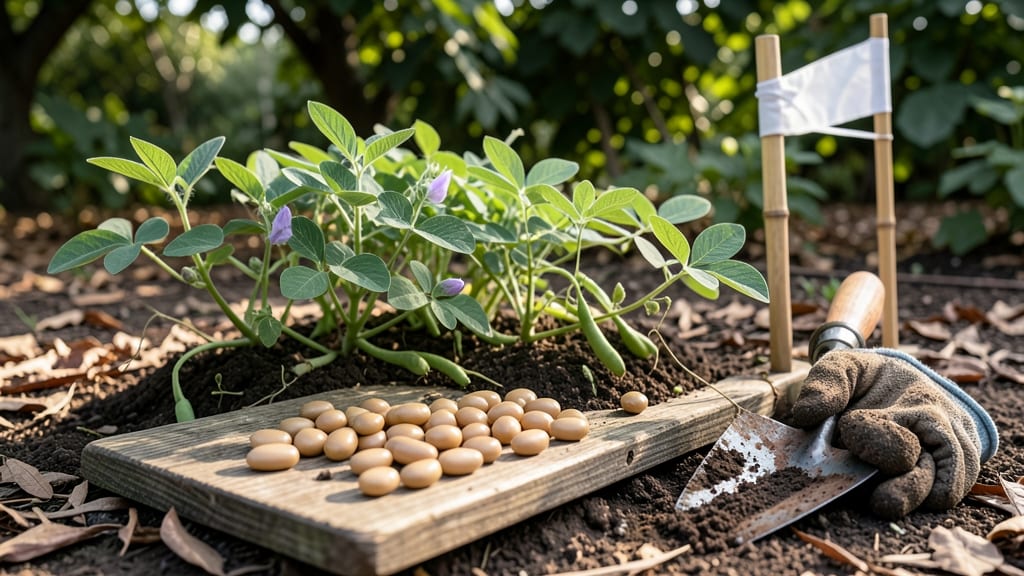
Planting fava beans at the wrong time in Zone 8 could mean missing out on their sweet, nutty harvest—especially when you could be enjoying them as early as late winter.
These cool-season 🌱 powerhouses actually prefer the crisp air of fall over the heat of summer, and timing is everything for success.
If you've ever wondered why some gardeners swear by fall plantings while others struggle with stunted growth, the answer lies in understanding your local frost dates and soil temperatures.
In Zone 8, the sweet spot is 8-10 weeks before your first frost, giving the beans time to establish roots before winter slows them down.
What makes fall planting so effective? Fava beans thrive in 45-75°F soil, making late summer or early fall the perfect window for sowing seeds.
This approach also helps avoid the stress of summer heat while setting you up for an early spring harvest—when fresh, homegrown pods are at their peak.
Ready to grow your own? I’ll walk you through the exact planting schedule, soil prep tips, and how to protect your crop from unexpected frost. Let’s get those seeds in the ground at the right time for a bountiful reward.
Optimal planting windows for fava beans in Zone 8
Fava beans love Zone 8’s mild winters, but timing is everything. Planting too early exposes them to heat stress, while late plantings risk frost damage before harvest. The sweet spot? Late summer to early fall—typically 8 to 10 weeks before your first frost (usually mid-January in Zone 8).
This schedule ensures robust root development before winter dormancy.
For most of Zone 8, September through early October is ideal. If you’re in a coastal area with milder winters, you might extend planting into November. Just avoid planting after mid-November, as young plants may not survive winter frosts.
Think of it like scheduling a marathon: train (grow) now for the big race (harvest) in spring.
Soil temperature is your secret weapon. Fava beans germinate best in 45–75°F soil. In Zone 8, soil temps drop below 60°F by mid-October, so aim to plant by early October for optimal germination. Use a soil thermometer to check—it’s the only way to know for sure.
Why fall? Fava beans are cool-season crops, meaning they thrive in 50–70°F air temperatures. Planting in fall lets them establish roots before winter, then bolt straight into spring growth when days lengthen. This two-step process avoids the stress of summer heat while maximizing yield.
Here’s my foolproof timeline for Zone 8 gardeners:
- Late August: Prep soil with compost (pH 6.0–7.5).
- Early September: Plant seeds 1–2 inches deep, 2–3 inches apart.
- October: Mulch heavily to insulate roots.
- January–March: Harvest pods before they toughen.
Pro tip: If you’re in Zone 8a (cooler microclimates), push planting to early October. In Zone 8b (warmer areas), you can plant as late as mid-November. Always check your local USDA frost dates—they’re your planting calendar.
| Stage | Action | Zone 8 Timing |
|---|---|---|
| Soil Prep | Add compost, test pH (6.0–7.5) | Late August |
| Planting | 1–2" deep, 2–3" apart | Early Sept–Oct |
| Mulching | 2–3" straw or leaves | October |
| Harvest | Pods 2–4" long, plump | Jan–March |
Don’t overlook spring planting either! While fall is ideal, you can also sow seeds in early March for a summer harvest. Just be prepared for slower growth in spring’s cooler temps. I’ve had success with ‘Early Bird’ variety in March—it matures faster than others.
One more tip: If your Zone 8 area has hot summers, avoid planting in June or July. The heat stresses seedlings, leading to poor germination. Stick to fall or early spring for best results. Your fava beans will thank you with tender, flavorful pods all season long.
Ready to plant? Grab your seeds and soil thermometer—your spring harvest starts now. 🌱
Optimal planting windows for fava beans in Zone 8
Zone 8’s mild winters create the perfect conditions for growing fava beans, but timing is everything. Planting too early or late can lead to poor germination or frost damage. The best time to plant is 8-10 weeks before your first frost, typically between mid-September and early November.
Fava beans thrive in cool soil temperatures between 45-75°F. Planting in late summer or early fall ensures they establish roots before winter dormancy. This strategy also helps avoid the heat stress of summer planting, which can stunt growth.
For a spring harvest, aim to plant in September or early October. This gives seeds time to germinate and develop before the cooler months. In coastal areas of Zone 8, you may extend planting into November due to milder microclimates.
🌱 Fava Bean Planting Timeline for Zone 8
| Stage | Action | Notes |
|---|---|---|
| Late Summer | Prepare soil (pH 6.0-7.5) | Add compost for nutrients |
| September-October | Plant seeds 1-2" deep | Space 2-3" apart |
| Winter | Overwintering growth | Minimal care needed |
| Spring | Harvest pods | Late winter to early spring |
If you miss the fall window, you can plant again in early spring (March-April), but expect a summer harvest instead. Spring plantings require careful monitoring to avoid bolting in the heat.
Always check your local frost dates—Zone 8’s first frost typically arrives in mid-January, but inland areas may experience frost earlier. Adjust planting dates accordingly to maximize your yield.
For best results, plant fava beans in well-draining soil with full sun exposure. Avoid planting in areas prone to waterlogging, as fava beans are sensitive to root rot.