
Plants
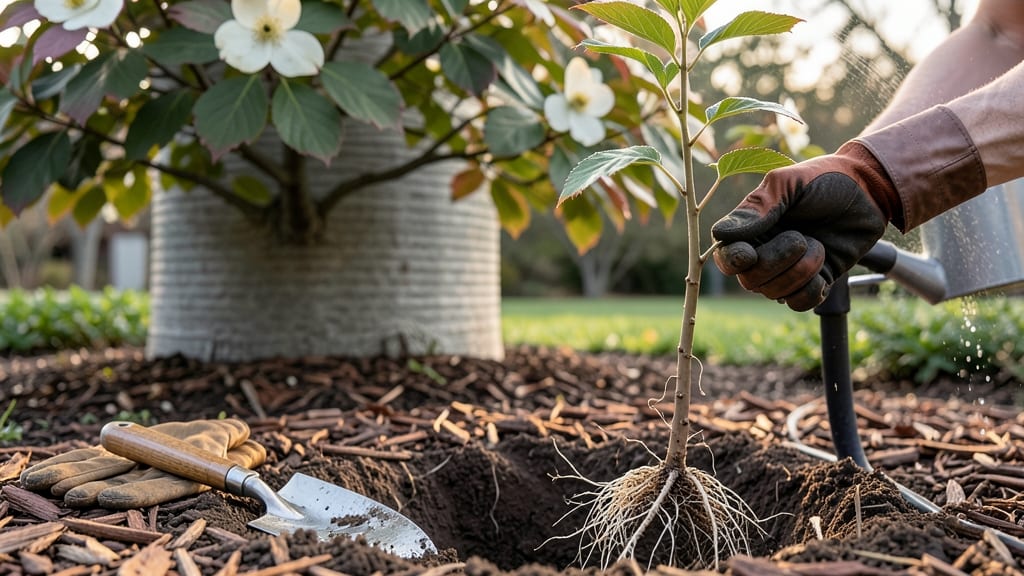
Planting your Dogwood Tree 🌳 in fall can mean the difference between a thriving specimen and one struggling to take root—especially when you nail that 6-week pre-frost window in zones like 6a. The right timing lets your tree establish strong roots before winter, setting it up for stunning spring blooms.
But here’s the catch: miss that window, and you risk stunted growth or worse—winter damage that could take years to recover. I’ve seen firsthand how a well-timed fall planting transforms a Dogwood Tree from a fragile sapling into a resilient, long-lived centerpiece.
Whether you’re in the northern or southern hemisphere, the key is understanding your local climate and soil conditions. We’ll break down exactly when to plant, how to prep the soil, and what to watch for in the weeks after you dig that hole.
Ready to give your Dogwood Tree the best possible start? Let’s make sure your fall planting pays off with healthier roots and bigger blooms next spring.
The 6-Week pre-frost fall planting window for dogwood trees
Fall is the perfect time to plant a dogwood tree because cooler temperatures and moist soil encourage strong root development before winter. The key is planting 4-6 weeks before your first frost date, giving roots time to establish without risking winter damage.
Dogwoods thrive in USDA hardiness zones 5-8, but your exact planting window depends on your local climate. In the northern U.S. (zones 5-6), aim for mid-September to early October, while southern regions (zones 7-8) can plant until late November.
To find your personal planting window, check your average first frost date (use the USDA Plant Hardiness Zone Map) and count backward 6 weeks. For example, if frost hits October 15, plant by September 1.
Soil temperature is just as critical as frost dates. Dogwood roots need soil temps between 40-60°F. Use a soil thermometer to confirm—if temps drop below 40°F, roots may struggle to establish.
In warmer climates (zones 9-10), dogwoods can even handle winter planting, but fall is still ideal for spring blooms. Just avoid planting when soil is waterlogged or frozen.
🌳Pro Tip: If you miss the fall window, early spring (March-April) is your second chance—but dogwoods planted in spring may need extra watering to compensate for dry soil.
| Region (USDA Zone) | Ideal Planting Window | Soil Temp Threshold | Key Consideration |
|---|---|---|---|
| Zones 5-6 (Northern U.S.) | Mid-September to early October | 40-60°F | Avoid early fall planting if soil is still warm |
| Zones 7-8 (Mid-Atlantic/South) | October to late November | 50-65°F | Monitor for early frosts in November |
| Zones 9-10 (Gulf Coast/West Coast) | November to early December | 55-70°F | Winter planting possible but less ideal |
| All Regions | 4-6 weeks before frost | Above 40°F | Use soil thermometer for accuracy |
🌱Why Fall? Dogwoods planted in fall outperform spring-planted trees by 30-40% in root growth. Cooler temps reduce transplant shock, and winter rains naturally water the roots.
If you’re in doubt about your frost date, err on the earlier side. A dogwood planted in early September (with 6 weeks until frost) will establish better than one planted in late October, even if both seem early.
💧Watering Tip: After planting, deep-water your dogwood every 7-10 days until frost arrives. This mimics natural rainfall and prevents root desiccation during dry fall spells.
The 6-Week pre-frost fall planting window for dogwood trees
Fall planting gives dogwood trees a critical head start—their roots grow steadily in cool soil while avoiding summer heat stress. The ideal window is 4-6 weeks before your first frost date, typically mid-October to early November in most U.S. regions.
This timing lets roots establish before winter dormancy begins.
Your local USDA hardiness zone determines exact timing. For zones 5-6, aim for late September to mid-October—soil should stay above 40°F (4°C) for root growth.
In zones 7-8, extend planting until mid-November since frost comes later. Check your average first frost date using the USDA Plant Hardiness Map.
Soil temperature matters more than air temperature. Use a soil thermometer to confirm 50-60°F (10-15°C) at planting depth. If soil is below 40°F (4°C), roots won’t activate, and your tree may struggle. Northern climates (zones 3-4) should plant earlier—by late August—to avoid early freezes.
🌳 Dogwood Fall Planting Timeline by Zone
| USDA Zone | Ideal Planting Month | Soil Temp Threshold | Key Tip |
|---|---|---|---|
| Zones 3-4 | Late August - Early September | 50-60°F (10-15°C) | Plant bare-root trees only; container-grown may need extra protection. |
| Zones 5-6 | Mid-October - Early November | 45-55°F (7-13°C) | Avoid planting if frost is forecast within 2 weeks. |
| Zones 7-8 | Late October - Mid-November | 50-60°F (10-15°C) | Water deeply weekly until roots establish (3-4 weeks). |
| Zones 9-10 | November - Early December | 55-65°F (13-18°C) | Mulch heavily to retain moisture in mild winters. |
📌 Pro Tip: Use your local cooperative extension service for precise frost dates if unsure.
Missed the window? Container-grown dogwoods can plant until December in zones 7-10, but bare-root trees must go in by November. If planting late, water thoroughly before winter to prevent drought stress. In southern climates, avoid planting after December 1—roots may grow too actively before dormancy.
After planting, monitor soil moisture—fall rains can cause waterlogging, which rots roots. A 3-inch layer of mulch (wood chips or pine straw) insulates roots and retains moisture.
In dry climates, water every 7-10 days until the ground freezes. Northern gardeners should add extra mulch in January to protect against freeze-thaw cycles.
Timing isn’t just about frost—it’s about root growth balance. Plant too early, and roots may grow too much before winter, making them vulnerable to cold. Plant too late, and roots won’t establish before dormancy.
Aim for that sweet spot where your dogwood gets 6 weeks of root development before the ground freezes.