
Trees
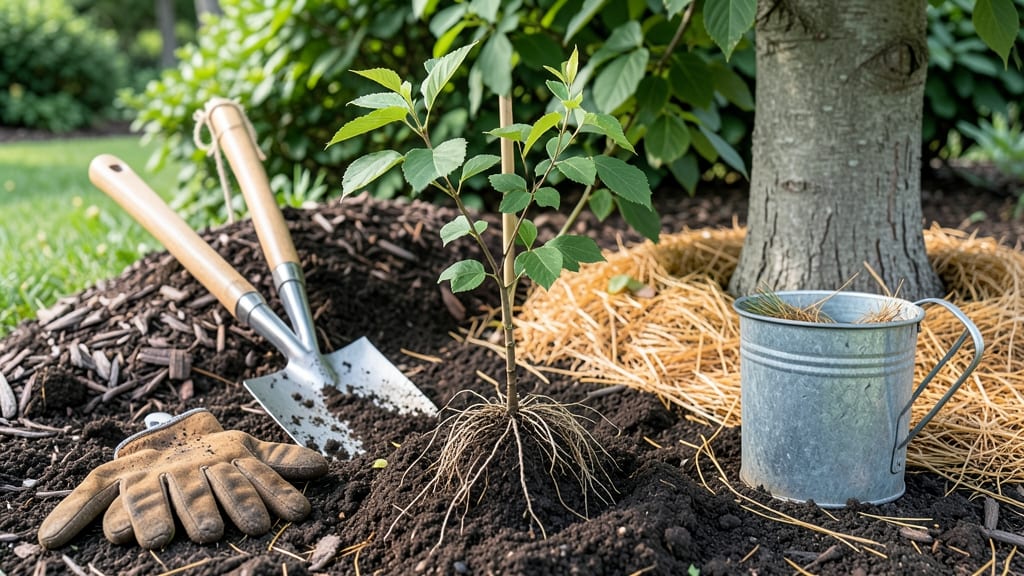
Planting a dogwood tree 🌳 in North Carolina at the wrong time can mean the difference between a thriving shade tree and a struggling transplant—so timing is everything.
The best window for planting in NC's 6b-8a zones is late winter to early spring, when the soil is workable but the tree isn't yet stressed by summer heat.
Why does this matter? Dogwoods establish roots most effectively when temperatures are cool, giving them a head start before the growing season kicks in. Missing this window could leave your tree vulnerable to drought or frost damage, especially in regions like the Piedmont where spring arrives earlier than the coast.
Whether you're planting bare-root saplings or container-grown specimens, understanding your local frost dates is the key. Most of NC sees its last frost around mid-March, making March and April the ideal months for strong root growth before summer arrives.
Let's break down exactly what you need to know to plant your dogwood at the perfect time—plus how to prepare your soil and care for it afterward for long-term success. Your future shade tree will thank you!
Best planting months for dogwood trees in NC based on USDA zones 7-8
North Carolina’s USDA Zones 7-8 offer a 6-8 week window for planting dogwood trees, but timing directly impacts root establishment and long-term health. The ideal planting months are March and April, when soil temperatures rise above 40°F and frost risk diminishes.
This aligns with the tree’s natural dormancy break and encourages vigorous growth before summer heat arrives.
For bare-root dogwoods, late winter to early spring (February–April) is critical—these trees need 4-6 weeks to establish roots before summer stress begins. Container-grown dogwoods, however, offer more flexibility and can be planted through May, provided you keep them well-watered during hot spells.
Avoid planting in summer or late fall, as extreme heat or early frost can shock the tree’s root system.
North Carolina’s regional microclimates also play a role. In the mountain regions (Zone 7), plant by April 15 to avoid late frosts, while Coastal Plain areas (Zone 8) can extend planting until May 1.
Always check your local last frost date—most of NC sees its final frost around March 15, but elevations near Asheville or Boone may experience frost into April.
Soil temperature is just as important as air temperature. Dogwood roots thrive when soil reaches 50-60°F, which typically occurs in late March across most of NC. Use a soil thermometer to confirm—planting too early in cold soil can stunt root growth.
Amend your soil with compost or peat moss to improve drainage and warmth retention, especially in clay-heavy soils common in the Piedmont.
The moon’s phases also influence planting success, particularly for root crops. Planting during the waxing moon (when the moon is growing) encourages root development. For NC, this aligns with March 20–April 5 in 2024, offering an optimal window for both timing and lunar benefits.
Mark your calendar to align with this natural rhythm for stronger establishment.
If you miss the primary planting window, don’t despair—dogwoods are resilient. Fall planting (September–October) is a second-best option if you can water deeply to compensate for cooler soil. However, avoid planting in November or later, as roots won’t have time to establish before winter dormancy.
For container-grown trees, you can even plant in early fall (September), but prioritize well-draining soil to prevent root rot.
Pro tip: Mulch heavily (3–4 inches) after planting to retain moisture and regulate soil temperature. Use pine straw or shredded bark, but keep mulch 6 inches away from the trunk to avoid rot.
Pair this with a deep watering schedule—newly planted dogwoods need 15–20 gallons of water weekly during their first year to encourage deep root growth.
North Carolina’s humidity and summer heat can stress young dogwoods, so timing your planting to avoid these extremes is key. By planting in March or April, you give your tree 6–8 months of ideal growing conditions before winter dormancy.
This head start translates to faster maturity and a stronger tree capable of withstanding NC’s humid summers and occasional droughts.
For urban gardeners, consider planting in early spring to take advantage of cooler temperatures and reduced heat island effects. If your yard has compacted soil (common in developed areas), amend with compost and gypsum to improve structure.
Dogwoods planted in optimal conditions can reach 15–40 feet tall within 10–15 years—so getting the timing right now sets the stage for decades of beautiful spring blooms and shade.
Fall planting vs. spring planting: which works better for NC dogwoods?
North Carolina's mild winters and humid summers create a unique challenge when deciding between fall and spring planting for dogwood trees. Both seasons offer advantages, but understanding your local USDA zone and soil conditions will help you choose the best time for your dogwood tree to thrive.
Spring planting (March-April) is the gold standard for dogwoods in NC. The soil warms up, encouraging root growth while avoiding the stress of winter dormancy. This gives young trees a 6-8 week head start before summer heat arrives, reducing transplant shock.
Fall planting (October-November) works well in NC's cooler climates like the mountains (Zone 6b), where frosts arrive earlier. Planting in fall allows roots to establish before winter dormancy, but you must finish by mid-November to avoid frost damage to new growth.
| Factor | Spring Planting (March-April) | Fall Planting (October-November) |
|---|---|---|
| Root Establishment | Excellent (6-8 weeks growing season) | Good (4-6 weeks before dormancy) |
| Water Availability | Moderate (spring rains + irrigation) | High (fall rains common) |
| Soil Temperature | Ideal (50-60°F) | Cool (40-50°F) |
| Best For NC Regions | Coastal (Zone 8a) & Piedmont (Zone 7b) | Mountains (Zone 6b) |
| Critical Deadline | April 15 (before summer heat) | November 15 (6 weeks before frost) |
For container-grown dogwoods, you have more flexibility and can plant year-round (except extreme heat/cold). However, bare-root trees must be planted during their dormant season—either late winter or early fall. If you miss the ideal window, wait until next year's optimal season.
Pro tip: Amend your planting hole with compost and a slow-release fertilizer (10-10-10) regardless of season. This gives young dogwoods the nutrients they need to establish strong roots before their first summer or winter.
Remember, dogwoods are slow to establish—proper timing during planting is your best defense against transplant shock. Whether you choose spring or fall, prioritize moisture retention and shade protection during the first critical year.