
Plants
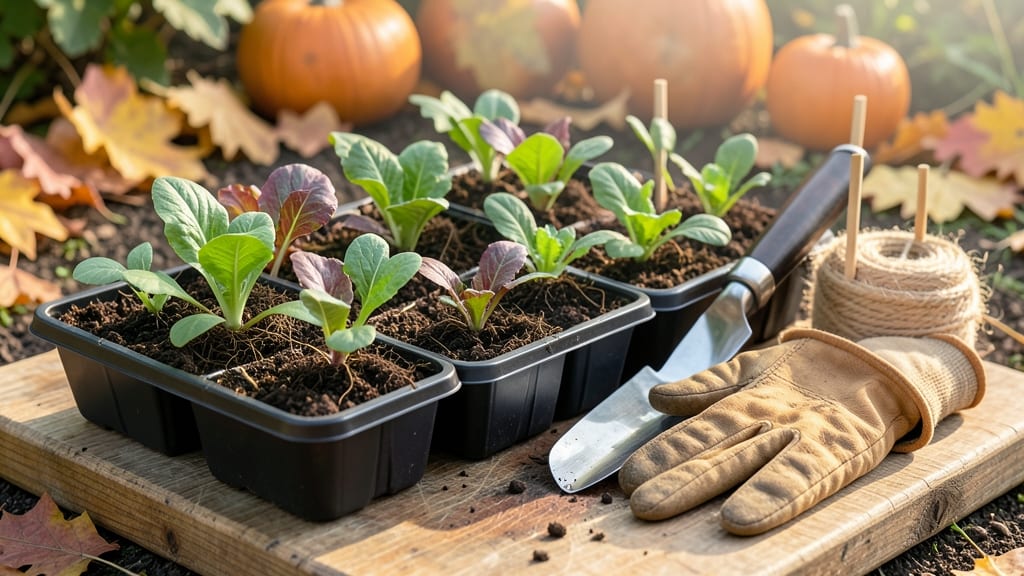
Planting fall lettuce in Zone 6 at the wrong time means either bolting from summer heat or freezing before harvest—neither of which you want when you're craving fresh 🥬 greens.
The key to success lies in understanding your local frost dates and adjusting your schedule accordingly, because timing makes all the difference between crisp salads and bitter disappointment.
In Zone 6 (General), where first frosts typically arrive in mid-October, you'll want to start planting your fall lettuce between late July and early September. This window gives your lettuce enough time to mature before winter sets in, while avoiding the extreme summer heat that triggers bolting.
The goal is to have your lettuce ready to harvest just before the first frost hits, ensuring you get those sweet, tender leaves all the way through early winter.
What makes this even more important is that not all lettuce varieties handle fall conditions the same way. Some types, like Winter Density or Black Seeded Simpson, are specifically bred to thrive in cooler temperatures, while others might struggle.
By choosing the right varieties and planting at the optimal time, you're setting yourself up for a successful harvest that lasts well into the colder months.
Let me walk you through the exact planting timeline, soil preparation tips, and variety recommendations that will help you grow the best fall lettuce in Zone 6. With these strategies, you'll be well on your way to enjoying homegrown greens even as the weather turns chilly.
Zone 6 fall lettuce planting dates: exact weeks before first frost
In Zone 6, where the first frost typically arrives around mid-October, timing your fall lettuce planting is critical. The ideal window is 8-10 weeks before frost, giving your lettuce enough time to mature before temperatures drop below 20-30°F.
For Zone 6, this translates to late July to early September for most varieties.
Head lettuce varieties, like Romaine or Iceberg, need the full 8-10 weeks to reach harvest size. Leaf lettuces, such as Buttercrunch or Oakleaf, can mature faster—often in 30-45 days—so they can be planted 4-6 weeks before frost for a quicker harvest.
This flexibility lets you extend your growing season.
To maximize your harvest, consider succession planting every 2-3 weeks starting in late July. This ensures a steady supply of fresh lettuce throughout the fall. For example, plant a batch in late July, another in early August, and a final one in mid-August to cover all bases.
If you’re unsure about your exact first frost date, check your local USDA Plant Hardiness Zone map or consult a frost calendar for your specific area.
In Zone 6, frost dates can vary slightly by microclimate, so erring on the side of earlier planting is safer than waiting too long.
| Variety Type | Ideal Planting Window | Days to Maturity | Weeks Before Frost |
|---|---|---|---|
| Head Lettuce (Romaine, Iceberg) | Late July - Early August | 60-75 days | 8-10 weeks |
| Leaf Lettuce (Buttercrunch, Oakleaf) | Early August - Mid-September | 30-45 days | 4-6 weeks |
| Cold-Hardy Varieties (Winter Density) | Late August - Early September | 45-55 days | 6-8 weeks |
Adjust dates based on your specific frost date and local climate.
For those in Zone 6a, where frosts can arrive slightly earlier, aim to plant head lettuce by late July and leaf lettuce by early August. In Zone 6b, you have a bit more flexibility, allowing for early August plantings of head lettuce and mid-August for leaf varieties.
If you’re experimenting with fall lettuce for the first time, start with a small test batch in early August. This gives you time to assess growth and adjust future plantings. Keep in mind that soil temperatures should ideally be between 45-65°F for optimal germination and growth.
Another pro tip: Use row covers or a cold frame to extend your growing season by 2-4 weeks. This can push your harvest window even later into the fall, especially for cold-hardy varieties like Winter Density or Arctic King, which can tolerate light frosts.
Finally, avoid planting lettuce in late summer if temperatures consistently exceed 80°F. Heat stress can cause bolting (premature flowering), turning your crisp lettuce into bitter, woody stalks. If you notice your plants bolting, harvest them immediately or replant for a later harvest.
With these precision planting dates and a little flexibility for your local climate, you’ll be well on your way to a bountiful fall lettuce harvest in Zone 6. Happy planting! 🥬
How to adjust lettuce planting for Zone 6’s microclimates and soil conditions
Zone 6’s diverse microclimates—from urban heat islands to high-altitude valleys—can shift your lettuce’s ideal planting window by 2-3 weeks. If you live in a hotter microclimate (like a city center), start seeds indoors by late July to avoid summer bolting.
Conversely, in cooler mountain areas, wait until early August to give plants enough time to mature before frost.
Soil conditions in Zone 6 often present another challenge. Heavy clay soils common in many regions drain poorly, leading to root rot. Amend your soil with 3-4 inches of compost or aged manure before planting to improve drainage and fertility.
Aim for a pH between 6.0-7.0, as lettuce thrives in slightly acidic to neutral soil.
🌱
For container growers in Zone 6, choose shallow but wide pots (at least 6 inches deep) to accommodate lettuce’s shallow root system. Use a lightweight potting mix with added vermiculite to prevent compaction.
Containers warm up faster than garden beds, so monitor soil moisture closely—lettuce in pots needs daily watering during hot spells.
If your garden experiences early frosts (before mid-October), opt for cold-hardy varieties like Winter Density or use row covers to protect tender seedlings. These simple adjustments ensure your lettuce thrives despite Zone 6’s unpredictable fall weather patterns.
🌿