
Plants
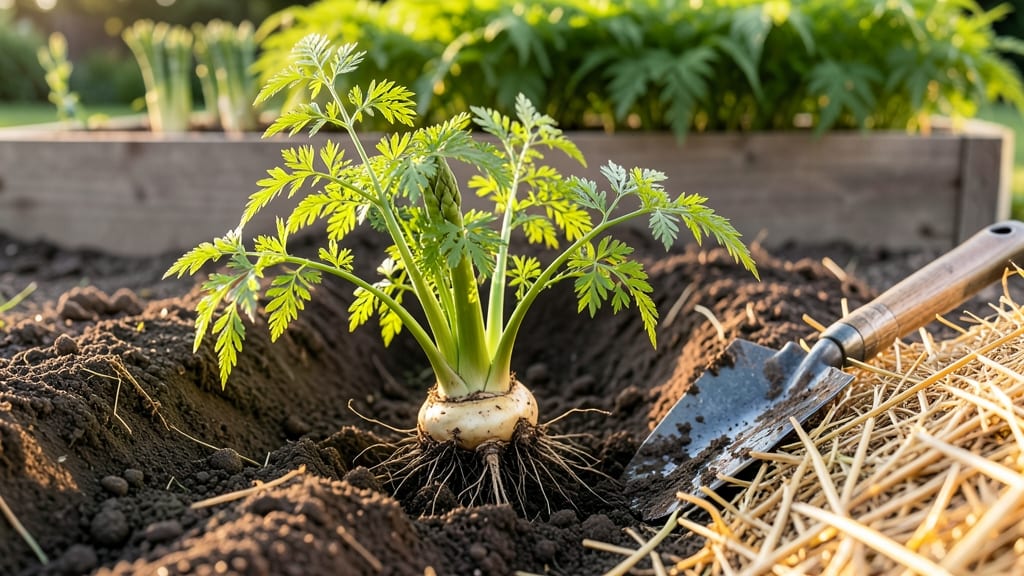
Planting asparagus in Maine requires precision timing to outsmart unpredictable frosts and short growing seasons—but get it right, and you’ll enjoy harvests for years without replanting.
The key isn’t just waiting for spring; it’s understanding your hardiness zone’s last frost date and soil temperature thresholds, which can vary by weeks even within the same region.
Most gardeners in zones 5b-6a (like much of Maine) should plant 🌱 asparagus crowns between early March and early April, when soil reaches a steady 40°F. But rushing too early risks frost damage, while waiting too long cuts your plant’s establishment window short—critical for its first-year growth.
I’ll walk you through the exact frost-free timeline and soil prep steps that separate thriving beds from failed attempts.
What makes Maine asparagus planting tricky isn’t just the cold—it’s the microclimates that can shift planting windows by days or even weeks. Coastal areas warm faster than inland spots, and frost pockets in valleys can delay your schedule.
I’ll show you how to adjust your timing based on local conditions, plus the cold-hardy varieties that perform best in Maine’s climate.
Ready to plant? You’ll also learn how to protect young shoots from late frosts using simple, effective methods that work even in Maine’s unpredictable spring. Let’s get your asparagus off to the right start—so you can enjoy fresh spears in just a few years.
Maine’s frost-free planting windows for asparagus by hardiness Zone
Maine’s short growing season and late spring frosts make asparagus planting timing the difference between a bountiful harvest and a wasted investment. Most of the state falls within USDA Hardiness Zones 5b-6a, where the last frost typically arrives between mid-April and mid-May.
However, microclimates—like coastal areas in Zone 6a—can push back frost dates by 1-2 weeks, while inland regions may face frost until late May.
For asparagus crowns (the most common planting method), aim to plant 4-6 weeks before your average last frost date.
This gives roots time to establish before soil temperatures rise above 50°F (10°C)—the threshold where asparagus starts active growth. Seed planting (less common) requires an even earlier window, 8-10 weeks before last frost, since seedlings grow slower.
In Zone 5b (northern Maine), plant late March to early April.
In Zone 6a (southern Maine and coastal areas), extend your window to early April to mid-April. Fall planting is risky in Maine due to early frosts, but if you must, plant late August to early September—giving roots 6-8 weeks to establish before winter. ⚠️ Warning: Fall-planted asparagus often struggles with cold soil and disease pressure in Maine’s wet climate.
Here’s how to adjust for microclimates:
- Coastal areas (Zone 6a): Plant 1-2 weeks later than inland zones—frost dates are 10-14 days later.
- Inland valleys (Zone 5b): Plant earlier to avoid late May frosts, which can damage tender shoots.
- High elevations (above 1,000 ft): Shift planting 2 weeks earlier—frost lingers longer.
Soil temperature is just as critical as air temperature. Use a soil thermometer to confirm 50°F (10°C) at 4-inch depth before planting. If soil is colder than 45°F (7°C), delay planting or use black plastic mulch for 2-3 weeks to warm the soil naturally. Cold soil slows root growth, making plants vulnerable to rot and frost damage.
Pro Tip: In Maine, asparagus crowns should be planted 8-12 inches deep—deeper than in warmer climates—to protect roots from freeze-thaw cycles. Space crowns 12-18 inches apart in rows 3 feet apart to allow for full sun exposure and air circulation, reducing fungal risks.
Varietal choices also impact timing. Cold-hardy varieties like ‘Mary Washington’ or ‘Purple Passion’ tolerate Maine’s climate better than tender hybrids. Purple Passion, for example, handles lighter frosts and produces earlier spears—a plus for Maine’s short season.
| Zone | Last Frost Avg. | Optimal Planting Window | Soil Temp. Threshold | Microclimate Adjustments |
|---|---|---|---|---|
| 5b (Northern Maine) | Mid-May | Late March–Early April | 50°F (10°C) | Plant 2 weeks earlier in valleys |
| 6a (Southern/Central Maine) | Early May | Early–Mid April | 50°F (10°C) | Coastal areas: delay 1 week |
| High Elevations (>1,000 ft) | Late May | Early March–Late March | 50°F (10°C) | Use black plastic mulch to warm soil |
🌱 Note: Adjust for 3-5 years of no harvest—focus on root establishment first!
If you miss the spring window, don’t panic—fall planting is possible but requires extra care. Plant crowns in late August, then mulch heavily with straw or leaves to insulate roots. Water deeply before the first frost to prevent desiccation.
However, spring planting is far more reliable in Maine’s climate.
Monitor local frost forecasts from sources like the National Weather Service or Maine Agricultural Weather Network. In 2023, for example, Portland (Zone 6a) saw frost as late as May 12, while Presque Isle (Zone 4b) had frost until May 28. Plan accordingly—and always have row covers ready for late surprises.
Key Takeaway: In Maine, timing is everything. Plant asparagus crowns 4-6 weeks before last frost, ensure soil is at least 50°F (10°C), and adjust for microclimates. With the right approach, you’ll enjoy harvests for 15+ years—far longer than most annual veggies! 🌱
5 Critical signs your Maine soil is ready for asparagus planting
Asparagus thrives when planted in warm, well-drained soil—but Maine’s chilly springs can delay planting for weeks. I’ve learned to watch for these 5 key soil readiness signs before sticking asparagus crowns in the ground. Missing them often means stunted growth or frost damage.
First, check the soil temperature using a soil thermometer. Asparagus roots need soil to reach at least 50°F (10°C). In Maine’s USDA Zones 5-6, this typically happens by mid-April in southern regions but may wait until early May in northern areas like Acadia or Bangor.
Use a thermometer to confirm 50°F+ (10°C+). Test in morning shade for accuracy.
Grab a handful—it should hold shape but not be soggy. Well-drained soil prevents rot.
Check local last frost dates (e.g., May 15 in Portland, May 25 in Bar Harbor). Plant 4-6 weeks before.
Look for worm activity or dandelions blooming—signs soil is warming.
Test for 6.5-7.5 pH. Adjust with lime (raise) or sulfur (lower) if needed.
If your soil isn’t ready, don’t panic! I’ve used black plastic mulch to warm beds faster or planted cover crops like clover the prior fall to boost soil temperature naturally. For cold soil delays, try planting asparagus crowns in containers and burying them when soil warms.
Pro tip: In northern Maine (Zones 4-5), I’ve had success planting Jersey Knight asparagus—a cold-hardy variety—in early April under row covers. This gives roots a head start before frost risks fade.
Once your soil passes these checks, plant asparagus crowns 8-12 inches deep and 12-18 inches apart. Water deeply to settle soil around roots, and mulch with straw or wood chips to retain moisture and regulate temperature.
🌱