
Plants
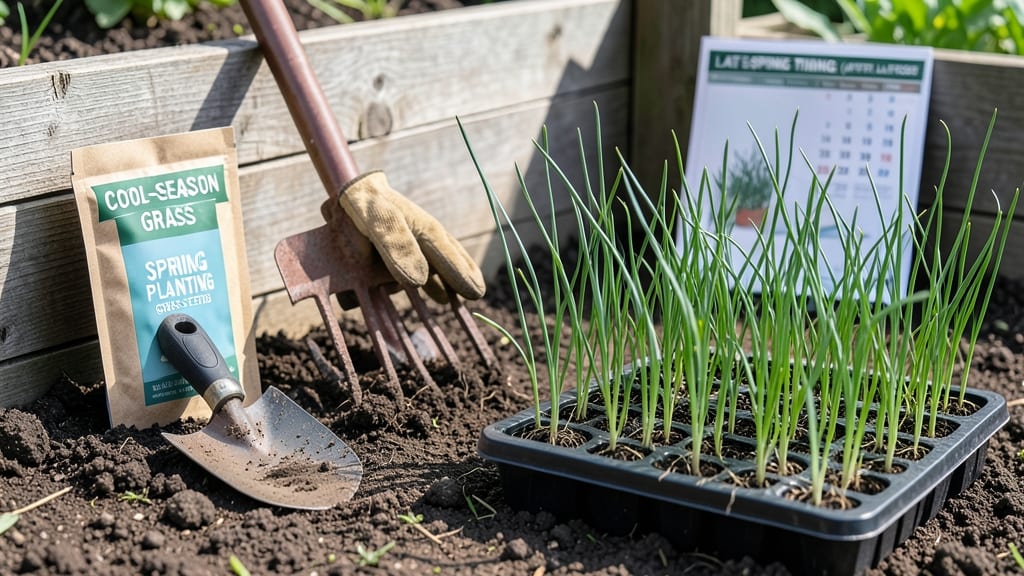
Timing your cool season grass planting in spring can make or break your lawn's health—get it wrong, and you're fighting weak roots all summer. The secret isn't guessing dates but watching soil temperatures, which should sit between 50°F and 65°F for ideal germination.
In USDA Zone 6a, that usually means late March to early April, but frost patterns and moisture levels matter more than calendar pages.
Planting too early risks frost damage, while waiting too late means summer heat stresses young 🌱 roots before they establish. I've learned the hard way that rushing leads to patchy growth, but patience pays off with a thick, resilient lawn.
Let me show you exactly how to read your soil's signals and pick the perfect window for your region.
Most gardeners focus on frost dates, but soil temperature is the real game-changer. A simple thermometer check in the shade can save you from costly mistakes.
I'll walk you through the science behind those numbers and how to adjust for your local climate—because what works in Zone 6a might not fit your neighbor's yard.
Once you nail the timing, the next step is giving your grass the best start possible. We're talking pre-watering, smart mulching, and fertilizer tricks to boost root growth before summer hits. Trust me, these fast establishment tips will have your lawn looking lush in weeks, not months.
Optimal soil temperatures for planting cool season grass in spring
Cool-season grasses like Kentucky bluegrass, tall fescue, and ryegrass thrive when planted in soil temperatures between 50°F and 65°F. This range ensures strong germination and root development before summer heat arrives.
If you plant too early, frost can damage tender seedlings, while waiting too late risks stressing young roots during hot weather.
Soil temperature varies by USDA hardiness zone. In Zone 5-6, aim for late March to early April, while Zone 7-8 gardeners should plant in February to early March. Always check soil temps with a soil thermometer—don’t rely on air temperature alone.
Here’s how to test your soil temperature: Insert a thermometer 4-6 inches deep in shaded soil and wait 10 minutes for an accurate reading. Morning is ideal—soil cools overnight, giving you a conservative estimate for daytime conditions.
Regional differences matter too. Northern climates (like Minnesota) may need to wait until late April, while Southern states (like Texas) can plant as early as February. Adjust based on your last frost date and local microclimates.
| Grass Type | Ideal Soil Temp (°F) | Best Planting Window | USDA Zones |
|---|---|---|---|
| Kentucky Bluegrass | 50–60°F | Late March–Early April | 4–8 |
| Tall Fescue | 55–65°F | Early April–Mid-May | 5–9 |
| Perennial Ryegrass | 45–55°F | February–Early March | 3–7 |
*Adjust windows 2–4 weeks earlier in cooler zones or later in warmer climates.
If your soil runs colder than 50°F, wait or use black plastic mulch to warm it faster. For warmer soils (>65°F), shade seedlings with burlap sacks until temps drop naturally. Shade cloth (30–50%) can also help during heatwaves.
Pro tip: Plant fall is actually better for cool-season grass, but spring works if you act fast. Seedlings need 6–8 weeks to establish roots before summer heat hits. Use a starter fertilizer (high in phosphorus) to boost early growth.
Watch for morning frost patterns—if frost lingers past mid-April in your area, delay planting until nighttime temps stay above 40°F. Cold snaps can reverse progress, so monitor forecasts closely.
Once planted, keep soil moist but not soggy. Use 1–1.5 inches of water weekly, applied deeply to encourage deep root growth. Avoid walking on new grass for 4–6 weeks to prevent compaction.
Remember: Soil temperature > calendar dates. Even if it’s March 1st, if your soil is still 45°F, wait. Patience now means a thicker, greener lawn by summer.
Optimal soil temperatures for planting cool season grass in spring
Cool-season grasses like Kentucky bluegrass, tall fescue, and ryegrass thrive when planted in soil temperatures between 50°F and 65°F. This range ensures strong germination and root development before summer heat arrives.
In USDA Zone 6, this typically means planting between late March and early May, but timing varies by region.
Northern climates (Zones 3-5) should aim for early April to mid-May when soil warms consistently above 50°F. Southern regions (Zones 7-9) can plant as early as February since cooler temperatures persist longer.
Always check soil temperature with a probe or dig 4-6 inches deep—if it’s below 50°F, wait a week or two.
Here’s how soil temperature affects your grass:
| Grass Type | Ideal Soil Temp (°F) | USDA Zones | Best Planting Window |
|---|---|---|---|
| Kentucky Bluegrass | 50–65°F | 3–8 | Early April–May |
| Tall Fescue | 55–65°F | 4–9 | Late March–June |
| Perennial Ryegrass | 45–60°F | 5–7 | February–April |
Use a soil thermometer ($10–$15) to monitor temperatures daily for 3–5 days before planting. If mornings dip below 50°F, delay planting until nights stay above 45°F consistently. Warmer soils (70°F+) can cause seed dormancy or uneven germination, so avoid planting during heatwaves.
For fastest establishment, aim to have 6–8 weeks of warm soil before summer. This gives roots time to develop 2–3 inches deep before drought or heat stress sets in. In Zone 6, this means planting by mid-May at the latest.
Pro tip: Pre-warm cold soil by covering bare patches with black plastic mulch for 1–2 weeks before planting. This raises soil temps by 5–10°F and speeds up germination. Just remove the plastic right before seeding to avoid smothering new shoots.