
Companion Plants
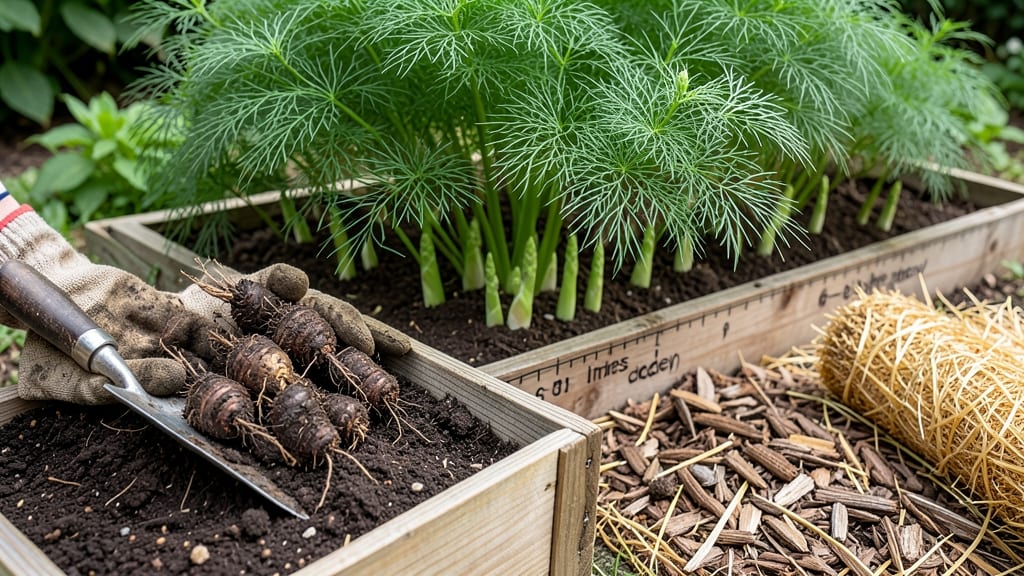
Timing your asparagus planting in Nebraska isn’t just about the calendar—it’s about beating the 5a-6b zone’s unpredictable frost dates while giving your crowns the best shot at survival.
Plant too early, and a late freeze could wipe out your young shoots; wait too long, and you’ll delay that first harvest by another year. The sweet spot? March to early April, when soil temperatures hit 50°F and the threat of hard frost has passed.
This 🌱 perennial favorite rewards patience—once established, it can produce for 15+ years—but Nebraska’s climate demands precision. Whether you’re in Omaha’s 6a or the western plains’ 5a, the key is preparing your soil 2-3 weeks before the last expected frost (usually mid-April).
Cold-hardy varieties like ‘Mary Washington’ thrive here, but even the toughest crowns need well-drained soil and a thick layer of mulch to insulate roots through winter.
Here’s what I’ve learned from years of testing: the biggest mistake Nebraska gardeners make is rushing the process. Skipping soil tests (aim for a pH of 6.5–7.5) or planting seeds instead of crowns can set you back.
Crowns, spaced 12–18 inches apart, are the way to go—they establish faster and handle Nebraska’s 165 frost-free days like a champ.
Ready to dive in? I’ll walk you through the exact steps to time your planting, choose the right variety, and keep your asparagus thriving through Nebraska’s hot summers and harsh winters. Let’s get those spears growing!
Best planting windows for asparagus in Nebraska’s climate zones
Nebraska’s USDA zones 5a-6b mean your asparagus planting timeline depends on where you live—whether it’s Omaha’s zone 5b or Lincoln’s zone 6a. The key is planting 2-3 weeks before your last frost date, but soil temperature matters just as much as calendar dates.
For most of Nebraska, that window falls between mid-March and mid-April, but western areas may need to wait until late April.
Asparagus crowns thrive when soil reaches 50°F (10°C), which typically happens by early April in eastern Nebraska and mid-April in the western plains. Planting too early risks frost damage to tender roots, while waiting too long delays your first harvest by years.
Nebraska’s unpredictable spring weather makes this timing especially critical—don’t rush it!
🌱 PRO TIP: Use a soil thermometer to confirm readiness. If your garden is slow to warm, opt for 1-year-old crowns (not seeds) for faster establishment. These hardy perennials will reward your patience with decades of harvests if planted correctly.
| Zone | Ideal Planting Window | Soil Temp Threshold | Last Frost Date | Regional Notes |
|---|---|---|---|---|
| 5a (Western NE) | Late April | 50°F (10°C) | May 1 | Drier climate; mulch heavily |
| 5b (Omaha) | Mid-April | 50°F (10°C) | April 15 | Moderate rainfall; watch for hail |
| 6a (Lincoln) | Early April | 50°F (10°C) | April 1 | Wetter; amend clay soil |
| 6b (Southeast NE) | Late March | 50°F (10°C) | March 25 | Longer growing season |
For Omaha gardeners in zone 5b, aim for mid-April planting when soil warms to 50°F. In Lincoln’s zone 6a, you can start as early as late March, but monitor forecasts for late frosts.
Western Nebraska’s zone 5a often waits until late April—don’t rush it, or your crowns may rot in cold soil.
If you miss the spring window, fall planting is possible in Nebraska’s southern zones (6a/6b) with 6-8 weeks until first frost. Plant crowns in September, but cover them with 4-6 inches of mulch before winter. This method works best for ‘Jersey Knight’, Nebraska’s top-performing variety.
One critical Nebraska-specific tip: Avoid planting asparagus in low-lying areas where cold air pools. Raised beds or slightly elevated spots improve drainage and winter survival. Also, test your soil pH—Nebraska’s native clay often needs lime to reach the ideal 6.5-7.5 range for asparagus.
Remember, asparagus is a 3-year investment. Year 1 builds roots, Year 2 produces small harvests, and Year 3+ gives full production
Critical mistakes to avoid when planting asparagus in Nebraska
Planting asparagus in Nebraska’s unpredictable climate means one wrong move can delay your harvest by years. The biggest mistake? Ignoring soil temperature thresholds—planting too early risks frost damage to tender crowns, while waiting too long stalls root establishment.
Even experienced gardeners in USDA Zones 5a-6b fall into these traps, so let’s break down what to avoid.
First, skipping soil prep is a silent killer. Asparagus demands well-draining soil with a pH of 6.5–7.5. Nebraska’s clay-heavy soils often need amendments like compost or sand to prevent waterlogging, which rots crowns before they take hold.
I’ve seen gardens fail because the soil was too compacted—don’t let that be yours.
⚠️ Nebraska-Specific Planting Pitfalls
- Planting before soil reaches 50°F: Crowns rot in cold, wet soil.
- Ignoring hail-prone areas: Western Nebraska’s storms can crush young shoots.
- No winter mulch: Frosts heave crowns out of soil in Zone 5a.
- Over-fertilizing nitrogen: Encourages foliage over spears in hot summers.
🌱 Pro Tip: Test soil pH before planting—Nebraska’s alkaline soils often need sulfur amendments.
Another common error is planting seeds instead of crowns. While seeds save money, they take 3 years to harvest—double the wait time for crowns.
Nebraska’s short growing season makes this riskier, especially in Zone 5a, where early frosts can wipe out seedlings. Stick with 1-year-old crowns for reliable results.
Don’t overlook spacing mistakes. Crowding asparagus plants leads to poor air circulation, inviting fungal diseases like rust. Space crowns 12–18 inches apart in rows 3 feet apart—this gives roots room to spread and spears to mature without competition.
I’ve seen gardens where rows were too tight, resulting in thin, woody spears instead of tender harvests.
Finally, neglecting winter protection in Nebraska’s harsh winters is a recipe for failure. Even cold-hardy varieties need 4–6 inches of mulch (straw or leaves work best) to insulate crowns from temperature swings.
In Zone 5a, I’ve lost entire beds to winter heaving—where crowns push up through frozen soil. A thick mulch layer prevents this by keeping soil temperatures stable.
By avoiding these mistakes, your asparagus bed will thrive for decades, not just a few seasons. Nebraska’s climate is challenging, but with the right prep, you’ll enjoy homegrown spears for breakfast year after year. Start with the basics, and your patience will pay off—literally! 🌱