
Companion Plants
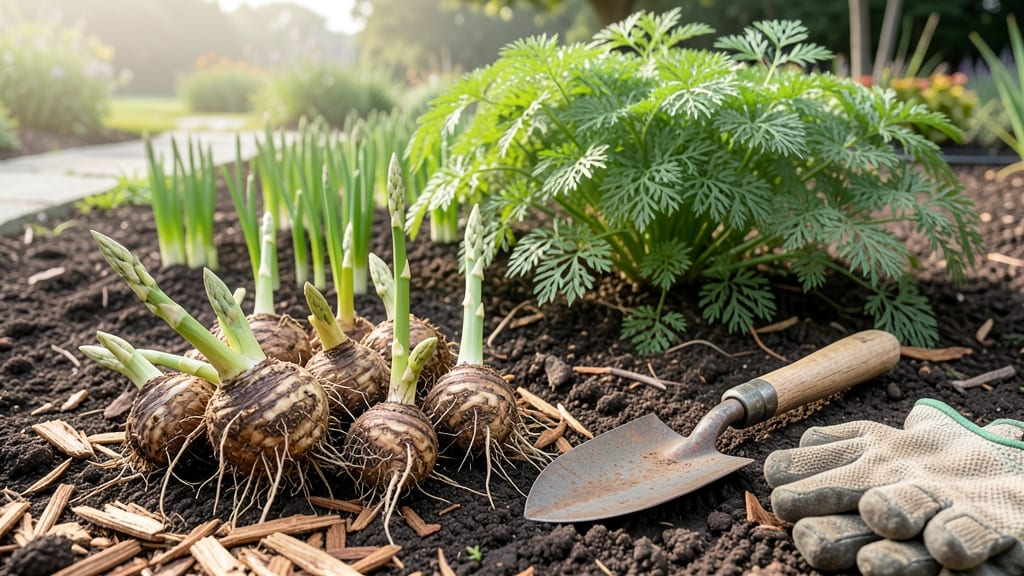
Planting asparagus in Arkansas at the wrong time can mean years of waiting for your first harvest—this cold-hardy perennial needs the perfect window to establish strong roots before summer’s heat takes over.
If you’re in USDA Zones 7a-8a, the ideal time to plant asparagus crowns is early spring (February–March), when soil temperatures hover around 50–60°F. This gives the roots time to spread before Arkansas’s humidity and heat ramp up, ensuring a stronger plant by harvest season.
But here’s the catch: planting too late can leave your asparagus struggling, while going too early risks frost damage.
I’ll walk you through the exact timing, soil prep tips, and Arkansas-specific tricks to set your 🌱 asparagus up for success—so you can enjoy fresh spears in just a few years, not decades.
Let’s break down the best months, varieties that thrive in your zone, and how to avoid common mistakes that derail even the most eager gardeners.
Best planting timing for asparagus in Arkansas zones 7-8: month-by-month guide
Timing is everything when planting asparagus in Arkansas, especially in USDA Zones 7-8 where summer heat and humidity can stress young plants. The key window is 4-6 weeks before your last frost date, typically mid-February to early March for most of the state.
This gives crowns time to establish roots before the ground warms too much.
Arkansas’s humid summers and hot afternoons make early planting critical. If you plant too late, your asparagus may bolt or struggle before winter dormancy. Conversely, planting in fall (September-October) is risky—young roots won’t have time to harden off before first frost (mid-November), leaving them vulnerable to freeze damage.
Here’s how to align your planting with Arkansas’s climate for success:
| Planting Window | Soil Temp Threshold | Arkansas Climate Note | Action Steps |
|---|---|---|---|
| Early Spring (Feb-March) | 45–55°F (7–13°C) | Cool nights, warming days; ideal for root growth. | Plant crowns 6–8" deep, 12–18" apart. Mulch heavily. |
| Late Fall (Sept-Oct) | 50–60°F (10–16°C) | High humidity; risk of fungal rot if soil stays wet. | Avoid unless using raised beds with excellent drainage. |
| Spring (April) | 60°F+ (16°C+) | Too late; roots won’t establish before summer heat. | Skip—plant next year early. Use shade cloth if transplanting. |
For Arkansas’s Zone 7a (northern regions like Fayetteville), aim for late February when soil temps stabilize above 45°F. In Zone 8a (southern areas like Little Rock), early March is safer to avoid the state’s 90°F+ heat waves that arrive by April.
Use a soil thermometer to confirm readiness—plant when temps hold steady at 50°F+ for 5+ days. Arkansas’s clay-heavy soils in many areas can retain too much moisture, so amend with compost or sand to improve drainage before planting. This prevents root rot, a common issue in humid summers.
Pro tip: In Zone 7, cover newly planted crowns with straw mulch (4–6 inches) to insulate roots during late-winter temperature swings. In Zone 8, focus on shade cloth (30–50%) during the first summer to reduce stress on young plants.
If you miss the spring window, your only option is fall planting in September, but this requires raised beds or sandy soil to prevent waterlogging. Even then, expect slower growth in the first year compared to spring-planted asparagus.
Remember: Asparagus is a perennial investment. Crowns planted in February may not produce spears until Year 3, but proper timing ensures they’ll thrive for 15+ years with minimal care. Patience pays off—literally!
🌿 For Arkansas gardeners, the 30-day window between late February and early March is your best shot at success. Mark your calendar, test your soil, and get those crowns in the ground before the heat arrives!
Best planting timing for asparagus in Arkansas zones 7-8: month-by-month guide
Arkansas’s USDA Zones 7-8 offer a narrow window for planting asparagus crowns—timing is everything to avoid summer’s 90°F+ heat and humidity. The ideal planting window spans February to early April, when soil temperatures hover between 40°F and 60°F.
Planting too early risks frost damage, while late planting stresses young roots before dormancy.
Most Arkansas gardeners opt for spring planting (late February to March) because it aligns with the last frost date (mid-March). However, fall planting (October) is possible in Zone 8a if crowns establish roots before winter chill sets in.
Avoid planting in summer heat, as asparagus crowns can rot in soggy, overheated soil.
Here’s how Arkansas’s climate affects timing: Humidity spikes in summer can double fungal risks, while Zone 7’s shorter growing season demands early starts. Soil preparation is critical—amend clay-heavy Arkansas soil with compost and sand to improve drainage, a must for asparagus roots.
🌱 Arkansas Asparagus Planting Timeline
| Month | Zone 7a | Zone 8a | Key Consideration |
|---|---|---|---|
| February | ✅ Ideal (soil 40°F+) | ✅ Ideal (soil 45°F+) | Avoid frost; mulch after planting |
| March | ✅ Best window | ✅ Best window | Last frost risk; plant 4-6 weeks before |
| April | ⚠️ Late (stress risk) | ⚠️ Late (heat stress) | Only if soil stays cool; mulch heavily |
| October | ❌ Avoid (frost risk) | ✅ Possible (Zone 8a only) | Plant 6-8 weeks before first frost |
| Summer | ❌ Never | ❌ Never | Roots rot in heat; wait for fall |
For Zone 7a gardeners, prioritize late February to March planting to ensure roots establish before summer. In Zone 8a, you can stretch planting into early April or attempt fall planting in October—just monitor soil temps closely. Use a soil thermometer to confirm 50°F+ before planting.
Pro tip: Arkansas’s clay-heavy soils retain moisture longer—plant on a mound or raised bed to prevent waterlogging. Add 3 inches of compost and 1 inch of sand to improve drainage. Mulch with straw or pine needles to regulate soil temps and retain moisture during Arkansas’s hot, dry summers.
Remember, asparagus is a perennial investment—first harvests take 2-3 years. Planting at the right time ensures your crowns thrive through Arkansas’s humid summers and mild winters, setting you up for decades of harvests.
Start early, and your patience will pay off with tender spears by next spring! 🌱