
Plants
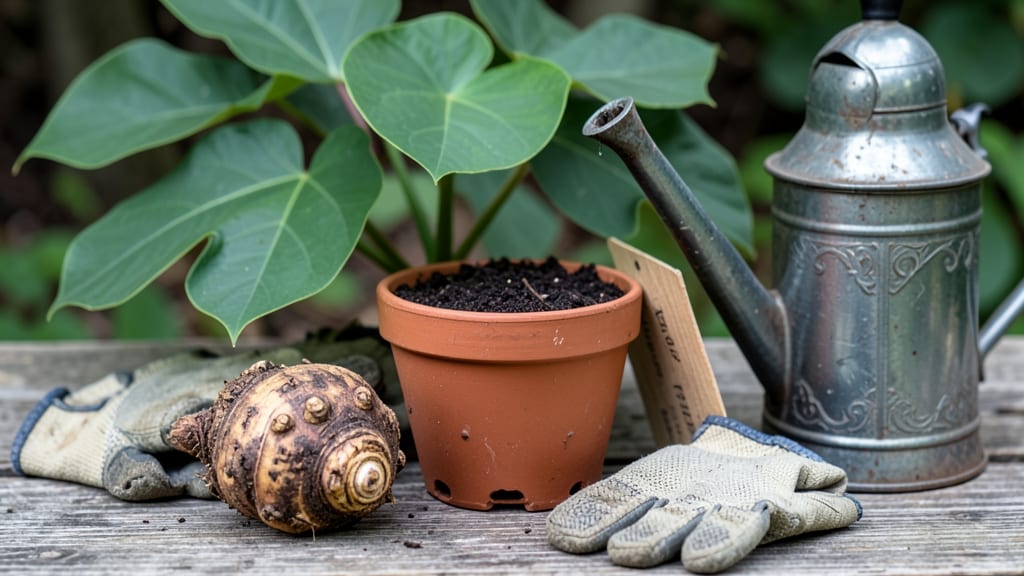
Planting Elephant Ear bulbs in pots at the right time means the difference between vibrant summer foliage and a sad, wilted mess. The key is waiting until after your last frost date—typically mid-April in Zone 6a—when soil temperatures hit a steady 60°F or warmer.
For most gardeners, that means late spring or early summer—June is ideal in warmer climates—so your 🌿 Elephant Ear has plenty of time to establish roots before cooler weather rolls in.
But here’s the catch: if you’re in a frost-prone area, planting too early can leave your bulbs vulnerable to cold damage.
I’ve learned the hard way that timing isn’t just about the calendar—it’s about your local microclimate. Whether you’re in a mild Zone 7 or a cooler Zone 6a, I’ll break down exactly when to plant for lush, thriving growth all season long.
Ready to avoid common mistakes and get your potted Elephant Ear off to the best start? Let’s dive into the frost-free timeline that works for your hardiness zone.
Optimal planting dates for elephant ear bulbs by USDA hardiness Zones
Elephant ear bulbs (Colocasia) thrive in warm soil and frost-free conditions, making timing critical for potted plants. Unlike in-ground planting, containers warm up faster, but they also lose heat quickly. Aim to plant after your last frost date when soil temperatures consistently stay above 60°F (15°C).
For most gardeners in USDA Zones 7-11, this means waiting until late spring to early summer. In cooler zones (like Zone 6), you may need to start bulbs indoors 6-8 weeks before your last frost date or wait until June to avoid frost damage.
🌱 Pro Tip: Use a soil thermometer to confirm warmth—elephant ears won’t grow well in cold soil, even if air temperatures are mild.
| USDA Zone | Last Frost Date | Optimal Planting Window | Soil Temp Requirement | Notes |
|---|---|---|---|---|
| Zones 7-8 | Mid-April to early May | Late May to early June | 60°F+ (15°C+) | Plant after last frost; mulch pots for heat retention. |
| Zones 9-10 | Late February to March | March to April | 55°F+ (13°C+) | Can plant earlier; protect from late frosts with frost cloth. |
| Zone 11 | None (year-round) | Year-round (best in spring) | 50°F+ (10°C+) | Plant anytime; focus on watering during dry spells. |
| Zone 6 or colder | Mid-May | June (or start indoors) | 65°F+ (18°C+) | Wait until soil is warm; consider overwintering bulbs. |
If you’re in a cooler microclimate (e.g., high elevation or near water), err on the side of planting later. Elephant ears are tender perennials, meaning they’ll die back in frost but can regrow from bulbs if protected.
In pots, this means moving containers to sheltered spots or bringing them indoors before temperatures drop below 40°F (4°C).
For container gardening, choose pots with drainage holes and use a lightweight potting mix amended with perlite or sand. Bulbs should be planted 2-3 inches deep, with the top visible to prevent rotting.
Larger pots (12+ inches in diameter) give roots room to spread, supporting taller varieties like 'Black Stem' or 'Pink China'.
💧 Watering Tip: After planting, keep soil consistently moist (not soggy) for the first 4-6 weeks to encourage root establishment. Mulch the pot surface with 2-3 inches of straw to retain moisture and regulate temperature.
In warmer climates (Zones 9-11), you can also plant elephant ear bulbs in early fall for a winter-to-spring display. However, avoid planting in summer heat (July-August), as bulbs may struggle to establish before dormancy. Instead, opt for container-grown plants from nurseries during peak summer months.
✂️ Pruning Note: If you plant bulbs early
Optimal planting dates for elephant ear bulbs by USDA hardiness Zones
Elephant ear bulbs (Colocasia) thrive in warm soil and frost-free conditions, making timing critical for potted plants. Unlike in-ground plantings, containers heat up faster, so you can plant 2-4 weeks earlier than ground recommendations.
In Zones 7-9, aim for late spring after your last frost date, while Zones 10-11 can plant as early as March-April for summer-long growth.
Soil temperature is your best indicator—wait until it reaches 60°F (15°C) at least 6 inches deep. Cold soil slows root growth, leaving bulbs vulnerable to rot or stunted foliage. Use a soil thermometer if unsure, or check local frost-free date calculators like Almanac.com for your ZIP code.
Here’s how to align your planting with your USDA hardiness zone and container readiness:
| Zone | Last Frost Date | Ideal Planting Window | Soil Temp Requirement | Container Tip |
|---|---|---|---|---|
| 7 | April 15–May 1 | May 15–June 1 | 60°F (15°C) | Use black pots to warm soil faster |
| 8 | March 15–April 1 | April 15–May 15 | 60°F (15°C) | Add mulch to retain warmth |
| 9 | February 15–March 1 | March 15–April 15 | 55°F (13°C) | Pre-warm pots in sun for 2 days |
| 10-11 | January–February | February–March | 50°F (10°C) | Plant in larger pots (12"+) for stability |
For containers, size matters—opt for pots at least 12 inches deep with drainage holes to prevent waterlogged roots. Smaller pots (8-10 inches) may work for dwarf varieties but limit growth.
If planting in early spring and frost threatens, cover pots with burlap or frost cloth at night until temperatures stabilize.
Remember, elephant ears are tropical and hate cold. Even a light frost can blacken leaves, so monitor 7-day forecasts before planting. In Zones 6 and below, treat bulbs as annuals—plant in late spring and replace yearly, or overwinter indoors with bright light.
Pro tip: Soak bulbs overnight before planting to kickstart root growth. This 24-hour hydration jumpstarts your elephant ears into their summer glory faster.