
Plants
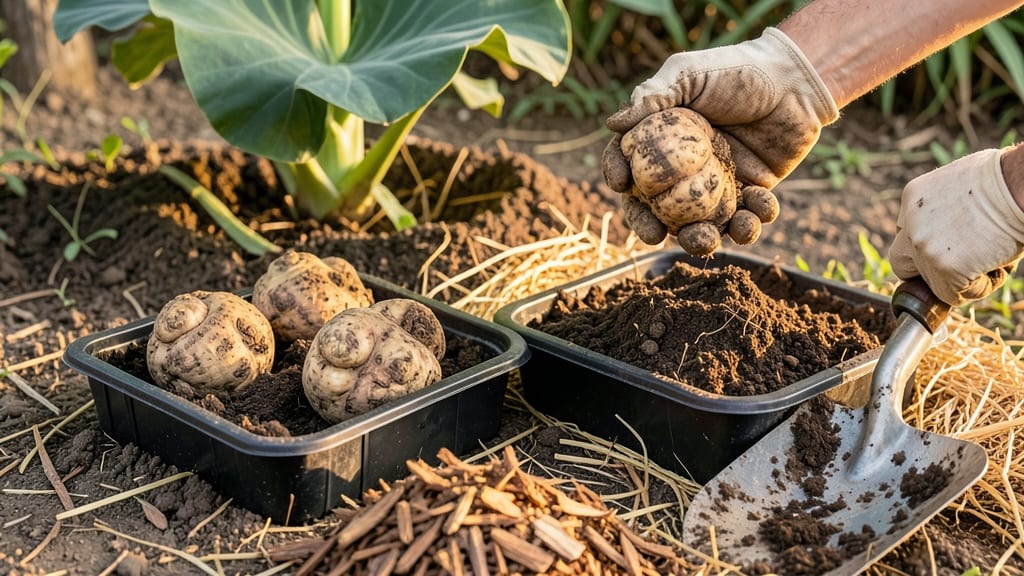
Planting elephant ear bulbs in Texas at the wrong time means watching your $50 investment wilt before summer even arrives. The key isn't just waiting for spring—it's timing it perfectly to avoid both frost and scorching heat, which can turn your tropical beauty into a sad, shriveled mess.
Here's the truth: Texas gardeners in zones 8a-10b have just a 6-week window each year to plant these 🌿 giants without risking failure. I'll show you exactly when to get those bulbs in the ground so they thrive through our brutal summers instead of struggling from day one.
Most guides tell you to plant in spring, but they don't explain why March 15th is the magic cutoff date in most of Texas—or how to adjust if you're in the hill country versus the Gulf Coast.
We'll cover soil prep, heat tolerance hacks, and even when to fertilize for maximum foliage impact.
By the end, you'll know not just when to plant, but how to give your elephant ears the best shot at becoming the showstopper of your garden—no matter how intense your Texas summer gets.
Best planting months for elephant ear bulbs in Texas heat zones
Texas’s diverse climate zones (8a–10b) mean your elephant ear bulbs need precise timing to thrive. Unlike frost-hardy plants, these tropical beauties hate cold soil and intense afternoon sun. The ideal window is after your last frost date—typically mid-March to early May—when soil temps hit 60°F+.
In North Texas (8a-9a), wait until April 15 to avoid late frost risks. Gardeners in Central Texas (9b) can plant as early as March 1, while South Texas (10a-10b) has a longer window through May 15. Fall planting is risky—bulbs rarely survive Texas winters unless protected.
Here’s the critical rule: Plant when daytime highs are consistently above 70°F and nighttime lows stay above 55°F. Use your local USDA zone map to pinpoint your frost-free window—this is non-negotiable for Colocasia and Alocasia varieties.
| Texas Zone | Last Frost Date | Ideal Planting Window | Soil Temp Goal | Heat Risk |
|---|---|---|---|---|
| 8a (North TX) | March 15 | April 15–May 1 | 60–65°F | High (afternoon sun) |
| 9a (Dallas/Fort Worth) | March 1 | March 15–April 30 | 60–68°F | Moderate (urban heat islands) |
| 9b (Austin/San Antonio) | February 15 | February 28–May 15 | 65–70°F | Low (partial shade needed) |
| 10a (Houston/Corpus Christi) | January 15 | January 31–April 15 | 70–75°F | Critical (shade mandatory) |
| 10b (South TX) | December 15 | December 1–May 15 | 75–80°F | Extreme (drip irrigation required) |
⚠️ Pro Tip: Use a soil thermometer to confirm 60°F+ before planting—cold soil = rot risk!
For container gardening, you can push boundaries slightly—plant Alocasia varieties in February if using heat mats to warm soil. But in-ground planting always follows the frost-free rule. Urban gardeners in heat islands (like downtown Houston) should plant 1–2 weeks later to avoid heat stress.
If you’re late to the game and miss the spring window, June planting is possible—but only for shade-tolerant varieties like Colocasia 'Black Magic'. Provide afternoon shade and daily watering to compensate. Fall planting? Skip it—Texas winters are too harsh for these tropical bulbs.
Watch for local heat advisories in May–June. If temps hit 100°F+, your elephant ears may bolt (flower prematurely) or scorch. Mulch heavily and water deeply to mitigate stress. Pro move: Start bulbs indoors in February for a head start.
Remember: Texas summers are brutal for tropical plants. The earlier you plant, the longer your display—but never sacrifice soil warmth for speed. Patience wins with elephant ears in the Lone Star State. 🌿
Best planting months for elephant ear bulbs in Texas heat zones
Texas spans USDA zones 8a-10b, and your planting window depends on where you live. In North Texas (8a-9a), aim for late March to early April after the last frost date.
Meanwhile, South Texas (9b-10b) gardeners can plant as early as February—just ensure soil temps stay above 60°F to prevent rot.
Elephant ears thrive in Texas’s heat but hate cold snaps. Even Alocasia varieties (hardier than Colocasia) struggle below 50°F. Use your local average last frost date as your guide—wait until 2-3 weeks after to plant.
For fall planting, only attempt it in South Texas (zones 9b-10b) between September and October. North Texas gardeners should skip fall entirely—these tropical beauties won’t survive winter freezes.
🌱 Pro Tip: Check soil temps with a soil thermometer—ideal planting temps are 65-75°F. If your soil is cooler, delay planting to avoid rot-prone conditions.
| Texas Zone | Ideal Planting Window | Soil Temp Requirement | Key Consideration |
|---|---|---|---|
| 8a-9a (North Texas) | Late March - Early April | 60°F+ (after frost) | Wait for consistent warm nights |
| 9b-10a (Central Texas) | Mid-February - Early April | 65°F+ | Can plant earlier in sheltered microclimates |
| 10b (South Texas) | January - March OR September-October | 60°F+ (spring) / 70°F+ (fall) | Only fall option in warmest zones |
If you’re in East Texas (humid) or West Texas (dry), adjust your timing slightly. Humid areas may need earlier planting to establish roots before summer downpours, while West Texas gardeners should wait until April to avoid spring drought stress.
🌿 Variety Matters: Alocasia (e.g., 'Polly') tolerates slightly cooler temps than Colocasia (e.g., 'Black Stem'). Plant Alocasia first if you’re pushing the early window.
Remember: Elephant ears grow fast—once planted, they’ll shoot up 2-3 feet in just 6-8 weeks. Don’t wait until June or you’ll miss the peak summer foliage display.