
Plants
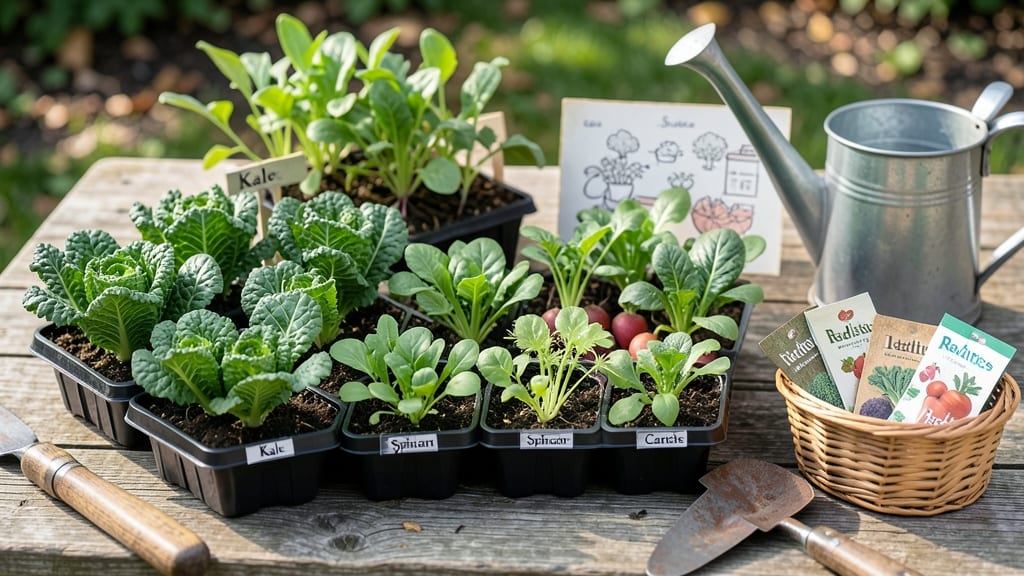
Planting fall crops in Ohio isn't just about timing—it's about beating frost while giving your 🌾 greens and roots the perfect head start.
Miss the window by even a week, and your kale or carrots might bolt or rot before you can harvest. But get it right, and you’ll enjoy fresh, homegrown veggies straight from your garden well into November.
The key? Knowing your county’s last frost date and planting 4-6 weeks before it hits.
Ohio’s 6a zone means your frost date can shift by days—or even weeks—depending on where you live. That’s why I’ve broken down the exact planting schedules for Ohio’s microclimates, so you can avoid the guesswork and grow a thriving fall garden.
Ready to extend your harvest season? Let’s dive into the county-specific dates and crop-by-crop tips that’ll keep your garden productive until the first frost.
Ohio county-by-county fall planting dates for best harvest success
Ohio’s diverse climate means planting dates vary by county, with northern regions like Ashtabula and Trumbull facing earlier frosts than southern areas like Lawrence or Hamilton. The key is planting 4-6 weeks before your first frost date, which typically falls between October 10-25 across the state.
For example, Columbus (Zone 6a) usually sees frost by October 20, while Cincinnati (Zone 6b) holds off until October 25.
Use the USDA Plant Hardiness Zone Map to pinpoint your county’s frost risk. Most of Ohio falls in Zones 5b-6b, but microclimates near lakes or urban areas can shift dates by 1-2 weeks.
For instance, Lake Erie’s cooler breezes in Lorain or Erie counties may require earlier planting than inland Franklin or Montgomery counties.
Here’s how to prepare your soil for fall crops: Test your soil pH (6.0-7.0 ideal) and amend with compost or aged manure in early August. Loosen the top 6-8 inches of soil to improve drainage, especially in clay-heavy areas like Sandusky or Lucas counties.
Mulch with straw or shredded leaves to retain moisture and regulate soil temperature.
For cool-season crops like kale, spinach, and carrots, aim to plant by mid-August in northern Ohio and early September in southern Ohio.
These crops thrive in 50-65°F soil temperatures and can tolerate light frosts, but avoid planting after September 15 in Zone 5b areas like Geauga or Portage counties.
Brassicas (broccoli, cabbage, Brussels sprouts) need a longer growing season, so start them by late July in southern Ohio or early August in northern Ohio. These frost-tolerant crops can even sweeten after light frost, making them ideal for October harvests.
Root vegetables like carrots, beets, and radishes should go in 4-6 weeks before frost, with radishes maturing in just 25-30 days. Sow them in successive plantings every 2 weeks from mid-August to early September to stagger harvests through November.
Leafy greens such as lettuce, spinach, and Swiss chard are fast-growing and cold-hardy. Plant them 3-4 weeks before frost, with spinach and kale lasting until hard frosts in December. Use row covers to extend their season by 2-4 weeks.
Herbs like cilantro and parsley also thrive in fall, with cilantro bolting less in cooler weather. Sow them by mid-August for harvests through October. Avoid planting basil or dill in fall—they’re warm-season annuals that won’t survive Ohio’s winters.
Check your local Ohio State University Extension office for county-specific frost dates and planting calendars. Their frost probability maps account for microclimates that can shift dates by 10 days or more.
For example, urban heat islands in Cleveland or Columbus may delay frost by 5-7 days compared to rural areas.
If you’re unsure about your last frost date, use the 50% frost probability rule: Plant when the historical frost date has a 50% chance of occurring. This gives your crops a safer buffer against unexpected early frosts.
| County (Zone) | First Frost (Avg.) | Ideal Planting Window | Top Crops |
|---|---|---|---|
| Ashtabula (5b) | October 10 | Late July - Early August | Kale, Spinach, Carrots |
| Franklin (6a) | October 20 | Mid-August - Mid-September | Broccoli, Radishes, Lettuce |
| Hamilton (6b) | October 25 | Late August - Early September | Brussels Sprouts, Spinach, Beets |
| Lorain (5b) | October 15 | Late July - Early August | Carrots, Radishes, Kale |
| Lawrence (6b) | October 22 | Late August - Early September | Spin
Top 5 fall crops to grow in Ohio and their perfect planting timesOhio’s cool fall nights and mild days create ideal conditions for hardy crops that thrive in USDA Zone 6a. The key to success? Planting at the right time to ensure a harvest before the first frost—typically around October 20 in most counties. I’ve narrowed down the top 5 fall crops that deliver reliable yields, along with their exact planting windows and care tips. Start with leafy greens like spinach, which can handle light frosts and even taste sweeter after a 28°F chill. For root crops, carrots and beets planted in late summer will mature just in time for a fall harvest. Don’t overlook broccoli and kale, which tolerate cooler temps and keep producing until frost. Here’s the breakdown of when to plant each crop for a bountiful Ohio fall harvest: 🌱 Top 5 Ohio Fall Crops & Planting Times
For maximum success, pair these crops with succession planting—sow radishes every 2 weeks for a continuous harvest, or stagger spinach plantings to extend your yield. Remember, soil temperature matters: aim for 40°F+ before seeding to ensure germination. Pro tip: Use row covers to push harvests later into fall, especially for broccoli and kale, which can tolerate light frosts. With these timing guidelines, you’ll enjoy fresh, homegrown veggies well into November—just in time for holiday meals! 🌿 |