
Plants
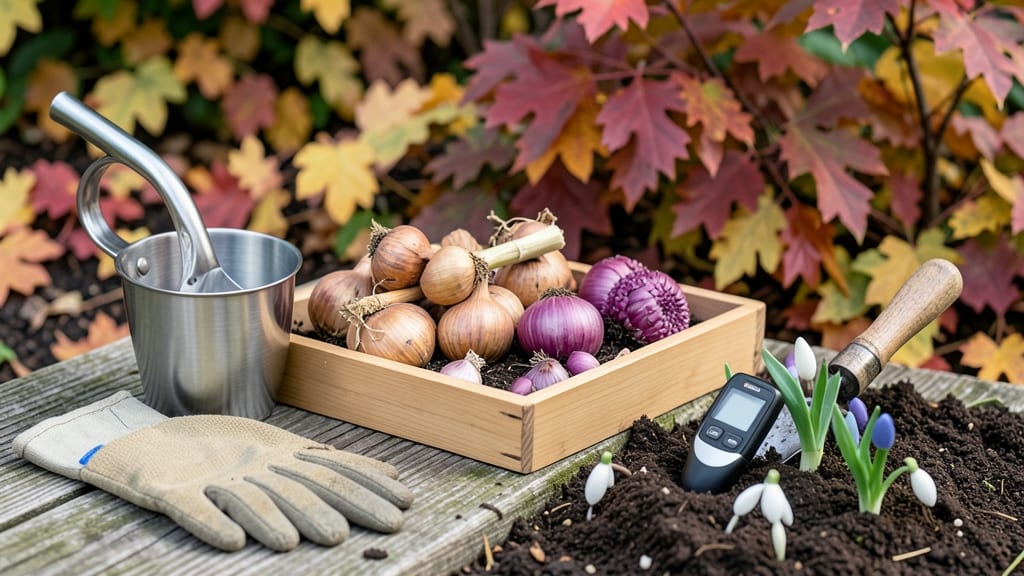
Planting fall bulbs in Zone 4 at the wrong time means either soggy rot or frozen failure—but nail that September-October window, and you’ll get vibrant spring blooms without the guesswork. The key? Soil temps between 50-60°F and 6-8 weeks before the ground freezes.
Most gardeners in Zone 4 wait until after the first frost (usually early October), but rushing too late risks stunted roots. I’ve learned the hard way: bulbs like tulips and daffodils need time to establish before winter sets in. Here’s exactly when and how to plant them for foolproof results.
Think timing is the only factor? Wrong. Soil drainage and bulb depth matter just as much—especially in Zone 4’s heavy clay. I’ll walk you through the 3-step prep to ensure your 🌷 fall bulbs thrive through winter and burst into color next spring.
Ready to skip the trial-and-error? Let’s break down the perfect planting schedule, soil tests, and spacing tricks that’ll make your garden the envy of the neighborhood. No more wasted bulbs—just reliable blooms.
Zone 4 fall bulb planting calendar: exact months by chill-resistant variety
In Zone 4, where winters are long and frosts arrive early, timing your fall bulb planting is critical. The ideal window spans from mid-September to mid-October, but specific varieties thrive best at different times.
For example, daffodils and tulips need cooler soil to root, while crocuses and alliums tolerate slightly later planting. Let’s break down the exact schedule to ensure your bulbs establish roots before winter sets in.
Your Zone 4 location likely experiences its first hard frost around October 1, so aim to plant bulbs 6-8 weeks before this date. This timing ensures bulbs have 4-6 weeks to root before the ground freezes.
If you’re in a region with early frosts, like northern Michigan or upstate New York, start planting as early as late August. Conversely, areas with delayed frosts, like parts of Pennsylvania or Ohio, can extend planting until early November.
Here’s a quick guide to soil temperatures for each variety. Most bulbs prefer soil temps between 40°F and 50°F when planted. Use a soil thermometer or check local forecasts for ground temperatures. If your soil is still warm (above 60°F), wait a few weeks before planting to avoid rotting.
| Bulb Type | Ideal Planting Month | Soil Temp Range | Notes |
|---|---|---|---|
| Daffodils (Narcissus) | Mid-September to early October | 45°F–55°F | Plant early; deer-resistant. |
| Tulips (Tulipa) | Late September to mid-October | 40°F–50°F | Avoid late planting; squirrels love them. |
| Crocuses (Crocus) | Early October to early November | 35°F–45°F | Tolerates cooler soil; great for early spring blooms. |
| Alliums (Ornamental Onions) | Late September to early October | 40°F–50°F | Drought-tolerant; plant in full sun. |
| Hyacinths (Hyacinthus) | Mid-September to early October | 45°F–55°F | Fragrant blooms; plant in clusters. |
If you’re unsure about your local frost dates, use the groundhog folklore as a rough guide. Traditionally, if the groundhog sees its shadow on February 2, winter will last 6 more weeks.
Adjust your planting timeline accordingly—if your area has a long winter, plant bulbs earlier to give them more time to root.
For clay-heavy soils common in Zone 4, amend the planting area with compost or sand to improve drainage. Bulbs rot quickly in soggy soil, so ensure your garden bed has well-draining soil.
If your soil is rocky, create a raised bed or plant bulbs in containers filled with a mix of potting soil and perlite.
Once planted, water deeply to settle the soil around the bulbs, but avoid overwatering. Bulbs need moderate moisture but will rot if left in waterlogged soil. After planting, apply a 2-3 inch layer of mulch to insulate the soil and protect bulbs from extreme temperature fluctuations.
This is especially important in Zone 4, where winter temps can drop below 0°F.
Pro tip: Mark your bulb planting locations with stakes or labels, as some varieties (like tulips) may not return reliably in Zone 4 due to harsh winters. This helps you remember where to fertilize and water next spring.
Even though bulbs are dormant in winter, proper care now sets the stage for vibrant blooms in late spring.
Finally, don’t forget to plant in clusters for a dramatic display. Group 5-7 bulbs together for a fuller look, and mix varieties for a sequential bloom from early spring (crocuses) to late spring (tulips).
With this schedule, your Zone 4 garden will burst into color year after year, proving that patience and precision pay off in the garden.
Zone 4 fall bulb planting calendar: exact months by chill-resistant variety
Timing is critical for fall bulb planting in Zone 4—aim for 6-8 weeks before the ground freezes, typically between mid-September and mid-October.
This window ensures bulbs establish roots before winter while avoiding rot from soggy soil. Tulips, daffodils, and crocuses thrive when planted in cool, 50-60°F soil, so adjust based on your region’s frost dates.
In northern Zone 4 (e.g., Minnesota, Maine), plant by late September to avoid early freezes. Southern Zone 4 (e.g., Ohio, Pennsylvania) can extend planting until early November. Always check your local average first frost date—Zone 4 ranges from October 1 to October 15.
For early bloomers like crocus, prioritize planting in September to give them time to root before winter. Late bloomers like tulips can wait until October, but avoid planting after the first frost—bulbs need 4–6 weeks of root growth before freezing.
If your soil stays warm past October, hold off until temperatures drop below 60°F at night. Use a soil thermometer for accuracy, or rely on leaf drop cues (e.g., maple leaves turning yellow). In clay-heavy soils, amend with compost to improve drainage and prevent bulb rot.
Pro tip: Mark your planting spots with wooden stakes or a garden flag to avoid disturbing bulbs next spring. Mulch with 2–3 inches of straw after planting to insulate roots and retain moisture during winter’s thaw cycles.
Missed the window? Don’t panic—late October plantings can still work if your soil isn’t frozen. Just cover bulbs with extra mulch to protect them until spring. With the right timing, your Zone 4 garden will burst into color by late April or May! 🌷