
Plants
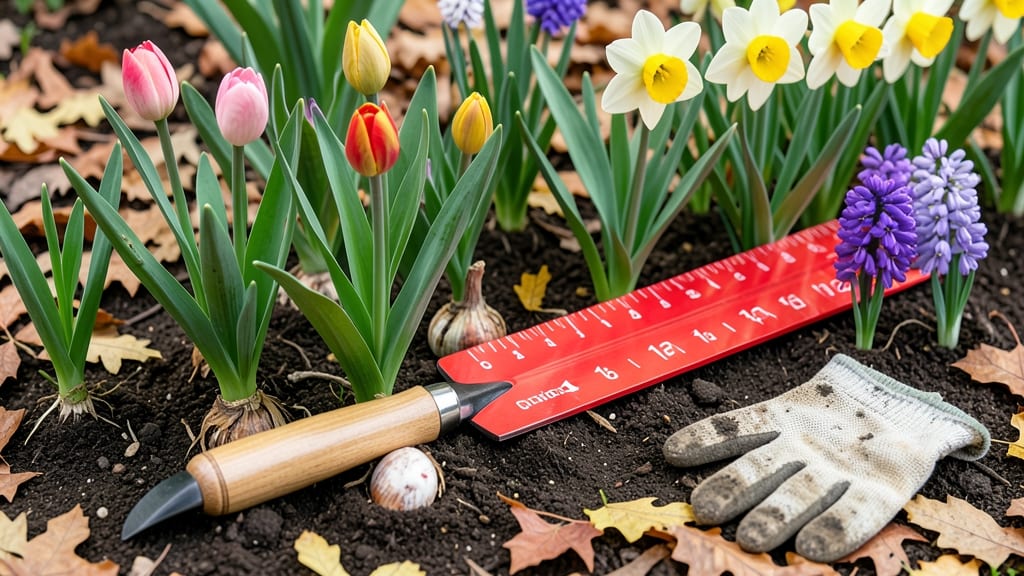
Planting bulbs in Maine isn’t just about grabbing a shovel and digging—it’s about timing it just right to ensure those vibrant spring blooms you’re dreaming of.
Too early, and your 🌱 bulbs may rot in soggy soil; too late, and they’ll miss the critical chill hours needed to burst into color.
Maine’s 5b-6b climate means you’ve got a narrow window—typically from mid-September to early November—to get bulbs in the ground before the frost sets in. But here’s the catch: not all bulbs need the same amount of cold.
Some varieties thrive with Maine’s long winters, while others might struggle with our shorter chill periods.
In this guide, I’ll break down the exact planting schedule for your favorite bulbs—whether you’re growing hardy tulips, deer-resistant daffodils, or delicate crocuses—so you can avoid common mistakes and set your garden up for success. Let’s make sure your bulbs get the perfect start for a showstopping spring display.
We’ll also cover soil prep, frost tricks, and how to handle Maine’s unpredictable weather, so you can plant with confidence and enjoy blooms that’ll make your neighbors green with envy. Ready to dig in?
Maine’s ideal bulb planting timeline by variety and chill-hour needs
Maine’s USDA Zones 4-6 create unique challenges for bulb planting—some varieties need 1,000+ chill hours while others thrive with just 300-600 hours. The key is matching your bulb type to your region’s frost dates.
In Southern Maine (Zone 6b), the ground freezes by mid-October, while Northern Maine (Zone 4b) sees frost as early as late September. Planting too late risks bulbs rotting before winter, while early planting may cause premature sprouting.
Most spring-blooming bulbs (tulips, daffodils, hyacinths) should go in the ground 6-8 weeks before frost.
For Southern Maine, this means mid-September to early November, while Northern Maine gardeners should aim for late August to mid-October. Fall-planted bulbs like crocuses and snowdrops can handle slightly later dates, often until early December if the ground isn’t frozen.
Here’s how to align your planting with Maine’s chill-hour zones and frost-free windows:
| Bulb Type | Chill-Hour Needs | Ideal Planting Window (Maine) | Notes |
|---|---|---|---|
| Tulips (hardy varieties) | 900-1,200 hours | Mid-Sept to early Nov (Zone 5-6) | Needs deep, well-draining soil |
| Daffodils (Narcissus) | 600-900 hours | Late Aug to mid-Nov (all zones) | Deer-resistant; tolerates partial shade |
| Hyacinths | 1,000+ hours | Mid-Sept to early Oct (Zone 5-6) | Plant in clusters for fragrance |
| Crocuses | 300-600 hours | Sept to early Dec (all zones) | Early bloomers; great for lawns |
| Alliums (e.g., Allium giganteum) | 600-900 hours | Late Sept to early Nov | Drought-tolerant; long stems for cutting |
| Fritillaria meleagris | 600-800 hours | Sept to early Nov (Zone 5-6) | Naturalizes well; checkered blooms |
For Northern Maine (Zones 4-5), prioritize hardy bulbs like daffodils and alliums, which handle shorter winters better. In Southern Maine (Zone 6b), you can experiment with tenderer varieties like tulips and hyacinths, but plant them earlier to ensure they get enough cold.
Use a soil thermometer to confirm the ground is below 60°F before planting—this prevents premature sprouting.
Pro tip: Layer bulbs by planting early bloomers (crocuses, snowdrops) first, followed by mid-season (tulips, daffodils) and late bloomers (alliums). This creates a continuous spring display and maximizes your garden’s visual impact.
In coastal Maine, where winters are milder, you might need to chill bulbs indoors for 8-10 weeks before planting to meet their chill requirements.
After planting, mulch with 2-3 inches of straw to insulate bulbs from temperature swings and prevent heaving during freeze-thaw cycles. Avoid organic mulches like leaves, which can mat down and cause rot. In wet springs, raised beds or slightly elevated planting areas help prevent bulb rot from soggy soil.
Remember: Bulbs need time to root before winter sets in. If you’re in Zone 4 and planting in late October, opt for crocuses or snowdrops—they’re the most frost-tolerant and will still bloom reliably.
For tulips and hyacinths, push planting to early September to give roots enough time to establish.
🌱
How to adjust planting for Maine’s unpredictable fall weather patterns
Maine’s fall weather can be as unpredictable as a coastal breeze—one day warm enough for shorts, the next a surprise frost that freezes the soil overnight. This variability forces gardeners to adapt their bulb-planting strategies.
The key is balancing soil temperature, moisture levels, and frost dates to ensure bulbs get the 6-8 weeks of cold dormancy they need before winter sets in.
For most of Maine, mid-September to early November is ideal, but early frosts in the northern regions (USDA Zone 4) or soggy soils in the southern coast (Zone 5-6) can derail your plans.
If your soil stays above 50°F (10°C) past mid-October, bulbs like tulips and daffodils may not get enough chill hours, leading to weak or no blooms next spring.
🔍 Here’s how to troubleshoot Maine’s fall quirks: Test soil temperature with a soil thermometer—plant only when it drops to 50-60°F (10-15°C). If frost hits early, cover newly planted bulbs with straw or leaves to insulate them without suffocating the soil.
For late-season warmth, delay planting until late October or November, but use a backup chilling method (like storing bulbs in a garage with a window) to simulate winter.
⚠️ Watch for These Maine-Specific Risks
Early Frost: Plant hardy bulbs (e.g., crocuses, snowdrops) first—they tolerate light freezing. Use mulch (straw, pine needles) to protect tender bulbs like hyacinths if frost arrives before November.
Soggy Soil: Avoid planting in waterlogged areas; amend clay soil with compost or sand to improve drainage. Raise beds in wet zones to prevent bulb rot.
Late Warm Spells: If soil stays warm past mid-November, bulbs may sprout prematurely. Delay planting or chill bulbs indoors (35-45°F (2-7°C)) for 6-8 weeks before planting.
Another trick for Maine gardeners: plant in layers. Start with deep-rooted bulbs (alliums, daffodils) in early September, then add shallower varieties (tulips, hyacinths) in late October. This staggered approach ensures some bulbs get planted at the perfect time, even if weather throws curveballs.
For coastal areas (e.g., Portland, Bar Harbor), which warm up faster, aim for late October planting to avoid early frosts.
Don’t forget to mark your planting spots with stakes or flags—Maine’s snow cover can erase garden beds quickly! After planting, apply 2-3 inches of mulch to regulate soil temperature and retain moisture. Just avoid piling mulch directly against bulb stems to prevent rot.
If all else fails, store bulbs in a cool, dark place (like a basement) until soil temperatures drop naturally. Many Maine nurseries offer pre-chilled bulbs in late fall—ask before buying if you’re planting outside the ideal window. With these adjustments, even Maine’s fickle fall won’t derail your spring blooms!