
Plants
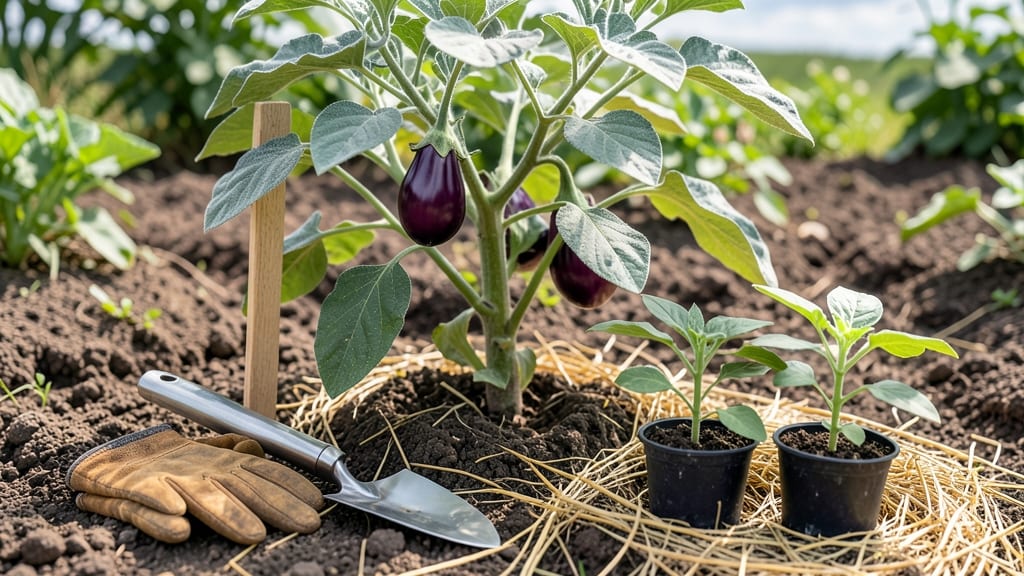
Timing your eggplant planting in North Carolina can make or break your harvest—get it wrong, and you might end up with stunted 🍆 plants or no fruit at all.
Since NC spans multiple heat zones (from 7a in the mountains to 8b on the coast), the "perfect" window shifts dramatically depending on where you live.
Most gardeners in the 7a-8b zones wait until after the last frost (typically late April to early June), but soil temperature matters just as much—eggplants need warm earth (70°F+) to thrive.
If you're in the Piedmont or Coastal Plain, you might even start seeds indoors a few weeks earlier for a head start.
Here’s the game-changer: even if your neighbors swear by planting in May, your microclimate could demand adjustments. We’ll break down the exact frost-free timeline for your county, plus how to stretch the growing season with row covers or mulch—so you’re harvesting plump, glossy eggplants from August through October.
Whether you’re a beginner or a seasoned gardener, these region-specific tips will help you avoid common pitfalls and maximize your yield. Let’s get those 🍆 plants in the ground at the right time!
NC eggplant planting dates by heat Zone (USDA 5-9)
Eggplant thrives in North Carolina’s warm summers, but planting too early can spell disaster for your heat-loving plants. The key is aligning your schedule with your USDA heat zone and last frost dates.
In Zone 5-6 (Mountains), you’ll plant later than Zone 7-9 (Coastal Plain), where longer growing seasons allow earlier starts. Eggplant is always grown as an annual in NC—it can’t survive winter freezes.
Most NC gardeners start seeds indoors 8-10 weeks before the last frost, then transplant seedlings after soil warms to 70°F+. Coastal areas (like New Hanover County) can plant as early as late March, while mountain regions (like Haywood County) wait until mid-May.
Let’s break down the exact windows for each zone.
🌱 NC Eggplant Planting Timeline by Heat Zone
| Zone | Region | Last Frost | Start Indoors | Transplant Outdoors | First Frost |
|---|---|---|---|---|---|
| 5a-6a | Mountains (Asheville, Boone) | April 15-May 1 | March 1-15 | May 15-June 1 | October 31-Nov 15 |
| 6b-7a | Piedmont (Raleigh, Greensboro) | March 25-April 10 | February 15-March 1 | April 15-May 10 | November 1-15 |
| 7b-8a | Coastal Plain (Wilmington, Fayetteville) | March 1-15 | January 31-February 15 | March 15-April 15 | November 15-Dec 1 |
| 8b | Outer Banks (Manteo) | February 15-March 1 | January 1-15 | February 28-March 15 | December 15 |
*Dates are approximate—check your local Cooperative Extension for precise frost data.
For Zone 5-6 gardeners, the 120-day growing season means you’ll need fast-maturing varieties like ‘Black Beauty’ or ‘Ichiban’. In Zone 7-9, you can stretch the season with late-summer varieties like ‘Rosa Bianca’, which ripens in 90 days.
Always plant after your average last frost—even if soil feels warm, a late freeze can kill seedlings.
Pro tip: Use a soil thermometer to confirm 70°F+ soil temps before transplanting. Cold soil slows root growth and invites fungal diseases. If your area has unpredictable spring weather (like Asheville’s late frosts), opt for row covers to protect young plants until they’re established.
Eggplant hates transplant shock, so harden seedlings gradually over 7-10 days before moving them outdoors. Acclimate them to direct sunlight and wind exposure by placing them outside for increasing durations each day. This toughens their cell walls and reduces stress when you finally plant them in the garden.
In humid Coastal Plain zones, watch for aphids and whiteflies—these pests thrive in warm, moist conditions. Start seeds early but avoid overcrowding, as poor air circulation worsens infest
How to adjust eggplant planting for NC’s microclimates
North Carolina’s microclimates can shift eggplant planting by 2-4 weeks, especially when moving from mountain valleys to urban heat islands. I’ve learned to adjust timing based on local conditions—here’s how to do it right for your backyard.
Start by checking your soil temperature with a thermometer. Eggplants need at least 70°F soil to thrive, but urban areas (like Raleigh or Charlotte) can hit this 2 weeks earlier than rural zones due to concrete heat absorption.
For higher elevations (Western NC, USDA Zone 5-6), plant late May to early June—delaying by 3-4 weeks avoids late-spring frosts. In Coastal Plain areas (Zone 8a), you can start as early as mid-April if using black plastic mulch to warm soil faster.
- 1 Urban Heat Islands: Plant 2 weeks earlier (e.g., late April) if soil warms quickly. Monitor with a soil thermometer.
- 2 Mountain Valleys: Wait until after Memorial Day (late May) to avoid late frosts (common in Zone 5-6).
- 3 Coastal Plains: Start mid-April with black plastic mulch to warm soil to 75°F+ faster.
- 4 Row Covers: Use floating row covers to plant 3 weeks earlier (e.g., early April in Piedmont). Remove covers when flowers appear.
- 5 Late-Spring Cold Snaps: Have seedling backups ready if temperatures drop below 50°F after planting.
If you’re in a transition zone (like the Piedmont), split your planting: start half your seedlings indoors in March and transplant late April, while planting the other half directly outdoors in May. This extends your harvest window by 4-6 weeks.
For container gardening in NC, use black pots to absorb heat—this can push your planting date 1-2 weeks earlier compared to white or red containers. Always place pots in full sun and water daily in summer to prevent stress.
Pro tip: Track your local frost dates using the NC State Climate Office or Almanac’s Frost Calculator. I’ve used these tools to adjust my Asian Long varieties for a late-September harvest in Raleigh—just 2 weeks before first frost!