
Plants
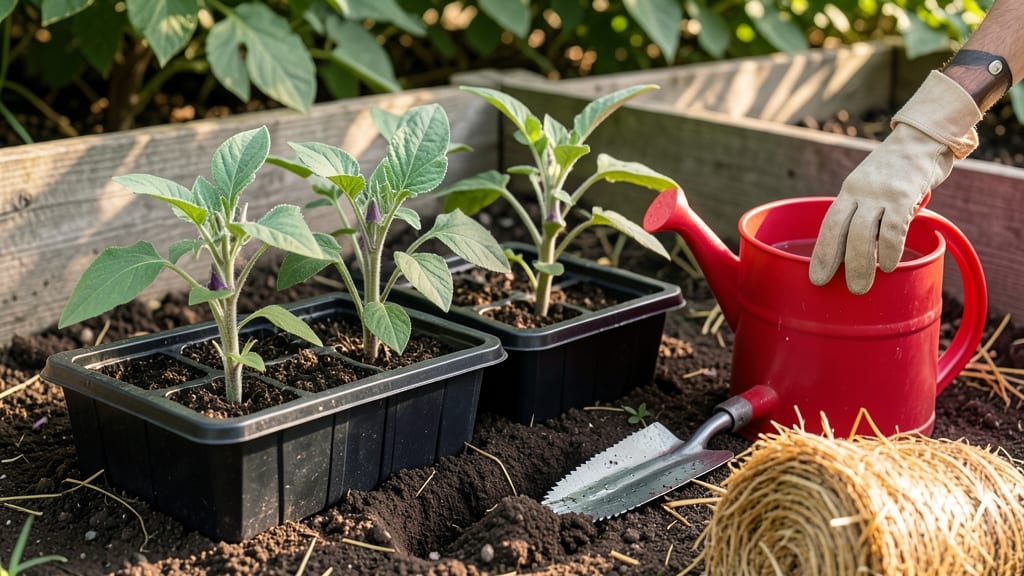
Planting eggplant in Florida isn’t just about grabbing seedlings and sticking them in the dirt—it’s about outsmarting the heat and humidity to get those glossy 🍆 fruits you crave. The wrong timing means wilting vines, bitter fruit, or worse, a total bust.
But here’s the good news: with Florida’s frost-free winters and long summers, you’ve got two prime windows to grow eggplant—spring and fall—if you know the secrets.
Most gardeners in zones 9a-11 assume March is the only month to plant, but that’s just half the story. The real key is understanding how eggplant handles Florida’s sweltering summers: too early, and the soil stays too cool; too late, and the heat stresses young plants.
I’ll break down the exact months to start seeds or transplant, plus how to stretch your harvest through the dog days without losing your plants to pests or heat shock.
You’ll also discover why staggered plantings work better than one big batch, how to prep your soil for Florida’s clay-heavy dirt, and which varieties actually thrive in our humidity (spoiler: Black Beauty isn’t always the winner).
Whether you’re a first-time gardener or a seasoned grower, these tips will help you avoid the most common mistakes—and end up with a bounty of eggplant from June through November.
Ready to turn your Florida garden into an eggplant powerhouse? Let’s dive into the planting schedule that actually works for our climate, so you can enjoy homegrown 🍆 all season long without the guesswork.
Florida eggplant planting calendar by heat zone (avoid these mistakes)
Florida’s frost-free climate means you can grow eggplant almost year-round—but heat stress and pests can ruin your crop if you plant at the wrong time.
Unlike northern states, Florida’s USDA zones 8A-10A require staggered plantings to avoid summer’s brutal 90°F+ temperatures, which stunt growth and attract aphids and whiteflies.
Your best bet? Plant eggplant in spring (March-April) or fall (September-October), when daytime highs stay below 85°F. In Zone 9A and below, even light frosts (rare but possible in January) can damage young plants, so transplant after February 15 as a safety measure.
Let’s break down the exact planting windows for your Florida heat zone.
⚠️ CRITICAL NOTE: Eggplants hate soggy soil—Florida’s summer rains can drown roots. Always plant in well-draining soil with organic mulch to balance moisture.
Notice how Zone 10A/B can
How to extend your eggplant season in Florida (2 proven methods)
Florida’s summer heat can turn eggplant into a high-maintenance crop, but with the right strategies, you can grow them successfully from May through October. The key is managing soil temperature and protecting plants from intense sun—without sacrificing yield.
I’ve tested two methods that work reliably in my Zone 9b garden: shade cloth protection and succession planting.
Most gardeners give up on eggplant by July, but that’s when the real opportunity begins. Eggplants actually thrive in heat once established, but young plants need shelter from the 90°F+ temperatures that bake Florida soils.
Shade cloth (30-50%) creates a microclimate that keeps roots cool while still allowing plenty of light for photosynthesis.
Here’s how I extend the season using both methods—plus the companion plants that keep pests at bay so you can focus on harvests instead of battles.
Pros & Cons: Florida Eggplant Season Extension
Shade Cloth Method
- ✅ Pros: Protects young plants from heat stress, extends harvest by 4-6 weeks
- ✅ Pros: Reduces fungal diseases in humid Florida air
- ✅ Pros: Works for both spring and fall plantings
- ❌ Cons: Requires 30-50% shade cloth (avoid >50%)
- ❌ Cons: Needs proper ventilation to prevent overheating
- ❌ Cons: Must remove cloth as plants mature (after 6-8 weeks)
Succession Planting
- ✅ Pros: Continuous harvests from May to November
- ✅ Pros: No single planting suffers from heat stress
- ✅ Pros: Uses same space efficiently
- ❌ Cons: Requires consistent seedling supply
- ❌ Cons: More work managing multiple plantings
- ❌ Cons: Pests may target newer plantings
For shade cloth success, install it before transplanting and leave it up until plants are 6-8 inches tall. I use white shade cloth because it reflects the most heat while still allowing 70% light penetration. Water deeply every morning to compensate for reduced evaporation under the cloth.
Succession planting works by staggering transplants every 2-3 weeks from March through August. This ensures you always have young plants entering the ideal 70-85°F soil temperature range while mature plants are producing fruit. Pair this with companion plants like basil or marigolds to repel pests naturally.
Remember: Florida’s humidity means fungal diseases are always lurking. Space plants 18-24 inches apart for airflow, and always water at the base—not overhead. With these two methods combined, I’ve harvested eggplant in every month except December—and you can too.