
Plants
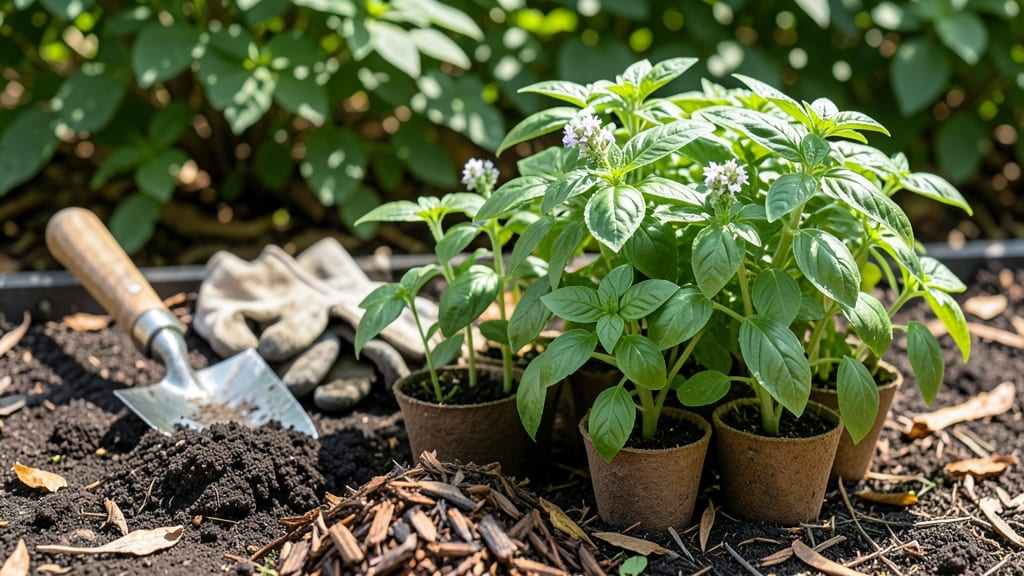
Planting basil in Virginia at the wrong time means wilted leaves and wasted effort—timing is everything for this heat-loving herb. 🌿 Whether you're in Zone 7a or 8a, getting the schedule right ensures your basil thrives from spring to fall, giving you fresh leaves for pesto and pasta all season.
Most Virginia gardeners make one of two mistakes: planting too early when frost lingers or waiting too long and missing the sweet spot. The key is understanding your last frost date—typically mid-April—and working backward from there.
In Zone 8a, you might even squeeze in a fall crop, but in cooler Zone 7a, patience pays off.
I’ll walk you through the exact planting windows, whether you’re starting seeds indoors or popping in nursery plants. You’ll also discover how to stretch your basil’s season with simple tricks like row covers and succession planting—so you’re never without fresh herbs when you need them most.
Ready to grow basil that’s bold, flavorful, and ready to harvest in just 6-8 weeks? Let’s dive into the perfect schedule for Virginia’s climate, so you can enjoy homegrown basil from spring through fall without a single setback.
Optimal basil planting dates in Virginia by heat Zone (7a vs. 8a)
Virginia’s Heat Zones 7a and 8a create distinct windows for planting basil, with Zone 8a enjoying a longer growing season. The key is planting after your last frost date—typically mid-April for most regions.
In Zone 7a, wait until late April to early May to avoid late frosts that can kill tender basil seedlings.
For direct sowing, soil temperatures should reach at least 50°F—a critical threshold for basil germination. In Zone 8a, this usually aligns with early April, while Zone 7a gardeners should aim for mid-to-late April.
If you’re using transplants, wait until all frost risk has passed, as young plants are far more vulnerable.
Basil thrives in warmth, so planting too early—even with frost protection—can stunt growth. The ideal transplanting window spans April 15 to May 15 for Zone 7a and March 30 to May 10 for Zone 8a.
This gives your plants 6-8 weeks of warm weather to mature before Virginia’s first frost in mid-October.
🌱 Did You Know? Basil seeds germinate best in 70-80°F soil. Using a seedling heat mat can jumpstart germination in cooler Zone 7a springs.
| Factor | Zone 7a (Northern VA) | Zone 8a (Southern VA) |
|---|---|---|
| Last Frost Date | April 15 | March 30 |
| Soil Temp for Direct Sowing | 50°F (mid-April) | 50°F (early April) |
| Ideal Transplant Window | April 15–May 15 | March 30–May 10 |
| First Frost Risk | Mid-October | Late October |
| Fall Planting Window | July 15–August 15 | July 1–August 20 |
| Harvest Timeline | June–September | May–October |
🌡️ Pro Tip: Use a soil thermometer to confirm readiness—basil seeds won’t sprout below 50°F!
For fall harvests, plant basil seeds or transplants 2-3 weeks before your first frost. In Zone 7a, this means July 15–August 15, while Zone 8a gardeners can extend to August 20.
Fall basil grows faster in warm soil and produces sweeter leaves before cooler weather sets in.
If you’re starting basil indoors, begin 6-8 weeks before your last frost date. For Zone 7a, this is mid-to-late February, and for Zone 8a, early-to-mid February.
Use grow lights to provide 12-16 hours of light daily—basil needs more light indoors than outdoors to prevent leggy growth.
Always choose a sunny spot with 6+ hours of direct sunlight. Basil in partial shade grows slower and loses its bold flavor. In Zone 7a, prioritize south-facing beds to maximize warmth, while Zone 8a gardeners can experiment with west-facing locations for afternoon sun.
Mulch around your basil plants with straw or shredded leaves to retain moisture and regulate soil temperature. This is especially helpful in Zone 7a, where temperature swings are more dramatic. Avoid thick mulch layers—1-2 inches is ideal to prevent rot.
Monitor your basil’s growth rate closely. If planted in late May, you’ll likely harvest by late July, but early April plantings in Zone 8a can yield leaves as early as mid-May. The goal is to harvest before flowers form—this ensures maximum leaf production and peak flavor.
How to extend your basil season in Virginia: cold frames, row covers & succession planting
Virginia’s short growing season doesn’t mean you have to miss out on fresh basil. With the right strategies, you can enjoy homegrown basil from early spring to late fall—or even overwinter it indoors.
The key is combining season extension tools with smart planting techniques to protect your basil from Virginia’s unpredictable frost dates and temperature swings.
For gardeners in Heat Zone 7a, where frost can arrive as early as mid-October, extending the season is especially critical. In Zone 8a, you’ve got a little more wiggle room, but early springs can still delay planting.
The good news? Simple tools like row covers and cold frames can push your basil’s growing season by 4-6 weeks in either direction.
Here’s how to maximize your basil harvest using low-cost, high-impact methods tailored to Virginia’s climate:
Sow seeds in biodegradable pots under grow lights (or a sunny windowsill) to get a head start. This lets you transplant hardier seedlings as soon as soil warms to 50°F—often 2-3 weeks earlier than direct sowing.
Lightweight floating row covers (like Reemay fabric) can shield basil from light frosts (28-32°F). Secure them with bricks or hoops to allow airflow. Remove during the day in Zone 8a once temperatures rise above 55°F.
Build a simple cold frame (or use a repurposed aquarium) to protect basil through mild winters. Place it in a south-facing spot for maximum sunlight. Ventilate daily to prevent condensation buildup.
Sow new basil seeds every 2-3 weeks from April through July. This ensures you always have young, flavorful plants ready to harvest. Space seeds 12 inches apart to avoid overcrowding.
Potted basil thrives near a south-facing window with 12+ hours of light. Use a grow light if natural light drops below 6 hours/day. Reduce watering to every 3-4 days once indoors.
Use a soil thermometer to confirm 50°F+ soil temps before planting. In Zone 7a, this often means waiting until late May for direct sowing. In Zone 8a, you can start as early as mid-April.
Pro tip: Pair these methods with mulching (straw or shredded leaves) to keep soil warm and retain moisture. For Zone 8a gardeners, you can even try a mini greenhouse to coax basil through winter—just be prepared to hand-pollinate flowers if they appear!
With these tricks, you’ll enjoy fresh basil pesto from May through November—or even year-round with indoor care. The secret? Anticipate Virginia’s climate quirks and give your basil the protection it needs to thrive beyond the typical growing season. 🌿