
Plants
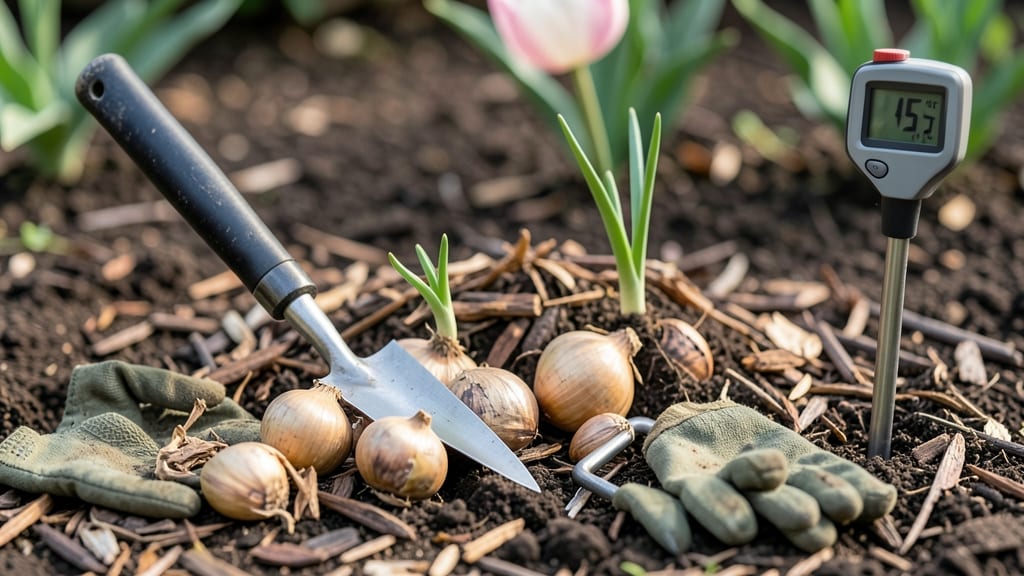
Planting tulips in Tennessee at the wrong time means either soggy bulbs rotting in the ground or flowers that never bloom—because timing here isn’t just about the calendar, it’s about beating the frost before it beats you.
If you’ve ever stared at your garden calendar wondering when exactly to tuck those 🌷 bulbs into the soil, you’re not alone.
Tennessee’s USDA Zone 7 climate throws a curveball with its unpredictable frost dates, and getting it wrong can mean the difference between a showstopping spring display and a wasted investment.
Here’s the secret: the 4-6 week window before the ground freezes is your golden ticket. For most of Tennessee—think Nashville, Knoxville, or Chattanooga—that means digging in bulbs between mid-October and early November, but with a few critical adjustments depending on your microclimate.
I’ll walk you through the exact deadlines, soil prep tricks, and even which tulip varieties play it safe in Tennessee’s rollercoaster winters. By the end, you’ll know not just when to plant, but how to set your bulbs up for a zero-frost success—no guesswork, just vibrant blooms come April.
Tennessee tulip planting deadlines by month (Zone 7 guide)
Tennessee’s USDA Zone 7 climate—with its unpredictable frost dates and microclimates—means your tulip planting window is narrower than you think. Aim for 6-8 weeks before the first hard frost, typically between mid-October and mid-November.
In Nashville (Zone 7a), this might mean planting by November 1, while Knoxville (Zone 7b) could stretch it to November 15. Miss this window, and your bulbs may rot in warm soil or fail to establish roots before winter.
For early bloomers like 'Darwin Hybrid' tulips, start planting as early as late September to give them a head start. Late bloomers, such as 'Fosteriana' varieties, can wait until mid-November, but only if the ground hasn’t frozen yet.
Use a soil thermometer to check for 50-60°F soil temperatures—ideal for root growth before dormancy.
Here’s the month-by-month breakdown for Tennessee gardeners, accounting for regional variations:
Pro tip: In Chattanooga’s cooler microclimate (Zone 7a), you can plant 2 weeks later than Nashville. Always check your local frost dates—the Old Farmer’s Almanac or TN State Climate Office are reliable sources.
If your area had an early frost last year, adjust your timeline 1-2 weeks earlier this year.
For container gardening in urban Tennessee spots, plant 2-3 weeks later than in-ground bulbs. Containers warm up faster and retain heat, delaying the ideal planting window. Use well-draining potting mix and place pots in a shaded spot after planting to slow soil cooling.
If you’re planting in December, only do so if your soil is below 40°F and you’re using containers. These bulbs will enter dormancy immediately and may not bloom as vigorously. Prioritize hardy varieties like 'Ice Cream' or 'Kaufmanniana' for better success in Tennessee’s late-winter thaws.
Remember: Tulip bulbs need cold stratification to bloom. If Tennessee’s winter is mild (like in 2020), your tulips may not flower at all. To compensate, chill bulbs in your fridge for 8-12 weeks at 35-45°F before planting if winters are unusually warm.
Finally, mark your calendar for April 15—the average last frost date in Tennessee. This is when your tulips will start pushing through the soil, and you’ll know your planting timing was spot-on if you see vibrant green shoots by then. 🌷
5 Critical factors that shift your Tennessee tulip planting timeline
Tennessee’s USDA Zone 7 climate throws a wrench into standard tulip planting advice—what works in Zone 5 won’t cut it here. Five key factors can shift your planting window by weeks or even months, depending on where you live in the state.
Let’s break down how to adjust for your specific conditions.
First, soil temperature is your biggest clue. Tulip bulbs need 40-50°F soil to root before winter sets in. In Nashville (Zone 7a), soil hits this threshold by mid-October, but in cooler Knoxville (Zone 6b), wait until late October. Use a soil thermometer to check—don’t guess!
Bulb size also matters: larger bulbs (12"+ diameter) establish roots faster, so they can handle earlier planting (as early as September in warmer microclimates). Smaller bulbs (8-10") need 4-6 weeks before frost to avoid rot. Measure yours before digging!
Next, consider your tulip variety. Early bloomers like 'Early Harbinger' need planting by mid-October, while late bloomers like 'Darwin Hybrid' can wait until November. Check the back of your bulb package—this info is gold!
Don’t overlook frost dates. Tennessee’s first frost varies wildly: Nashville averages November 15, but Chattanooga can see frost by October 30. Plant 4-6 weeks before your local first frost date to give roots time to anchor.
Finally, urban vs. rural matters. City heat islands (like Nashville’s downtown) warm soil faster, letting you plant 2 weeks earlier than rural areas. If you’re unsure, ask your local Cooperative Extension office—they track frost data year-round.
🌱 5 Factors That Shift Your Planting Timeline
- Soil Temp: 40-50°F triggers root growth (check with a thermometer)
- Bulb Size: Large bulbs (12"+) plant 2 weeks earlier than small (8-10")
- Variety: Early bloomers need earlier planting than late bloomers
- Frost Dates: Plant 4-6 weeks before your local first frost
- Location: Urban areas plant 2 weeks earlier than rural zones
Pro tip: If you miss the fall window, container planting is your lifeline. Use well-draining pots and plant in late fall or even winter—just keep them in a garage or shed until soil warms in spring. This works surprisingly well for urban gardeners with limited ground space.
Remember, Tennessee’s weather is unpredictable. If an early frost threatens, cover bulbs with straw mulch (3-4 inches thick) to protect them until roots establish. With these adjustments, your tulips will bloom right on schedule—no matter where you are in the state.