
Companion Plants
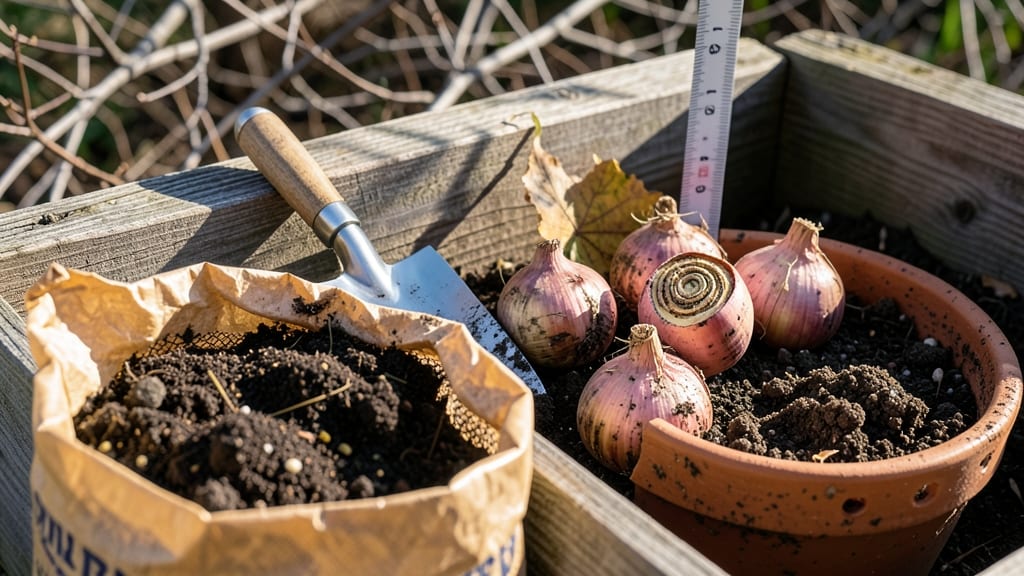
Planting tulip bulbs in the ground at the wrong time means waiting months for vibrant blooms—or worse, watching them rot before spring. The secret to stunning tulips lies in a narrow fall window that balances soil warmth and frost protection, especially in USDA Zone 6a where timing is critical.
For gardeners in this region, October through November offers the perfect opportunity to get those 🌷 bulbs in the ground before the first frost hits.
Most gardeners assume fall planting means "as soon as the leaves change," but that’s not quite right.
The key is waiting until the soil temperature drops to between 40-50°F, which typically happens in late October for Zone 6a. Planting too early can lead to mold or rot, while waiting too long risks frost damage before the bulbs establish roots.
I’ve learned the hard way that rushing the process can turn your dream spring garden into a sad pile of shriveled bulbs. The good news? With the right timing and a little soil prep, you can ensure those tulips pop up bright and bold next spring.
Let’s break down exactly when to plant for foolproof results.
Ready to transform your garden? We’ll cover soil preparation, frost protection tips, and even how to adjust for unexpected weather delays. By the end, you’ll know exactly when to plant those tulip bulbs for a showstopping display come April.
Perfect fall planting window for tulip bulbs by US climate zones
Timing is everything when planting tulip bulbs. The ideal window falls between 6-8 weeks before your region's first hard frost, when soil temperatures drop to 40-50°F (4-10°C).
This narrow period ensures bulbs establish roots before dormancy, leading to vibrant spring blooms. Missing this window risks rot, frost damage, or failed blooms entirely.
Your USDA hardiness zone determines the exact month range. Northern climates (zones 3-6) typically plant in October or early November, while southern zones (7-10) can plant as late as December. The key is soil temperature, not calendar dates—bulbs need time to root before winter sets in.
Here's how to find your perfect planting window based on your zone:
| USDA Zone | Ideal Planting Month | Soil Temp Range | Key Cue |
|---|---|---|---|
| Zones 3-5 | Mid-September to October | 40-50°F (4-10°C) | First killing frost 6+ weeks away |
| Zones 6-7 | October to early November | 45-55°F (7-13°C) | Daylight hours shorten to 10-12 hrs |
| Zones 8-10 | November to December | 50-60°F (10-15°C) | Nighttime temps below 60°F |
| All Zones | 4-6 weeks before frost | Below 60°F (15°C) | Soil is workable but not frozen |
For warm-climate gardeners in zones 8-10, the challenge is avoiding summer planting. Tulips need a cooling period to bloom properly—plant in November or December when daytime temps drop below 70°F (21°C). If you miss this window, refrigerate bulbs for 8-12 weeks before planting to simulate winter.
Pro tip: Use your local frost date as your anchor. Check the National Weather Service or plant your bulbs when daylight hours drop below 12 and nighttime temps consistently stay below 60°F. This natural rhythm aligns perfectly with tulip dormancy needs.
In northern regions like Minnesota or Maine, aim for late September to mid-October. The ground should be cool enough to touch for 10+ seconds without burning your fingers—a foolproof test for ideal planting conditions. Southern gardeners in Texas or Florida should wait until November to avoid summer heat stress.
Remember: Tulip bulbs need time to root before winter dormancy. Planting too close to frost means weak root systems and poor blooms next spring. The 6-8 week window gives bulbs just enough time to establish before the ground freezes.
For container gardeners, the timing is slightly flexible. You can plant 2-4 weeks later since pots warm up faster and you can move them to sheltered spots. However, always aim to plant before your first hard frost—even containers need cold stratification for best results.
Mark your calendar with these zone-specific deadlines to ensure your tulips bloom on time next spring. The effort pays off with vibrant, healthy flowers that steal the show in your garden.
How to tell when soil conditions are ideal for tulip bulbs
Tulip bulbs thrive when planted in soil that’s cool but not frozen, with proper moisture levels and good drainage. The key is timing when the ground is workable but still warm—typically after daytime highs drop below 70°F (21°C) but before nighttime lows hit 40°F (4°C).
This balance ensures roots establish before winter dormancy.
Start by checking the soil temperature at a 6-inch depth—ideal temps range between 40-50°F (4-10°C). Use a soil thermometer or the "finger test": Push your finger into the soil; if it feels cool but not icy, it’s ready.
This usually aligns with late September to early November, depending on your USDA zone.
🌱 5 Signs Your Soil Is Perfect for Tulip Bulbs
- Soil temp: 40-50°F (4-10°C) at 6" depth
- Moisture: Damp but not soggy (like a wrung-out sponge)
- Drainage: Water drains in 1-2 hours (no puddles)
- Leaves: Fallen leaves cover ground (sign of cooling temps)
- Frost: No hard frost forecast for 4-6 weeks
Adjust for your local soil type. In heavy clay soils, amend with compost or sand to prevent waterlogging, while sandy soils benefit from organic matter to retain moisture.
Test drainage by digging a 6-inch hole, filling it with water, and timing how long it takes to drain—ideal tulip soil drains in 1-2 hours.
Watch for visual cues like falling leaves or migrating birds, which signal cooling temps. If your area experiences early frosts, prioritize planting 6 weeks before the first frost date. For warmer zones (8-10), aim for November-December to avoid winter rains that can rot bulbs.
Once you’ve confirmed ideal conditions, plant bulbs 6 inches deep and 4-6 inches apart, with the pointy end up. A light mulch layer (2-3 inches) after planting protects bulbs from temperature swings and freeze-thaw cycles.
Remember: Patience pays off. Tulips need 12-16 weeks of cold dormancy to bloom, so rushing or delaying planting can delay or prevent flowers entirely. Mark your calendar for next year’s perfect planting window based on your local frost dates!