
Plants
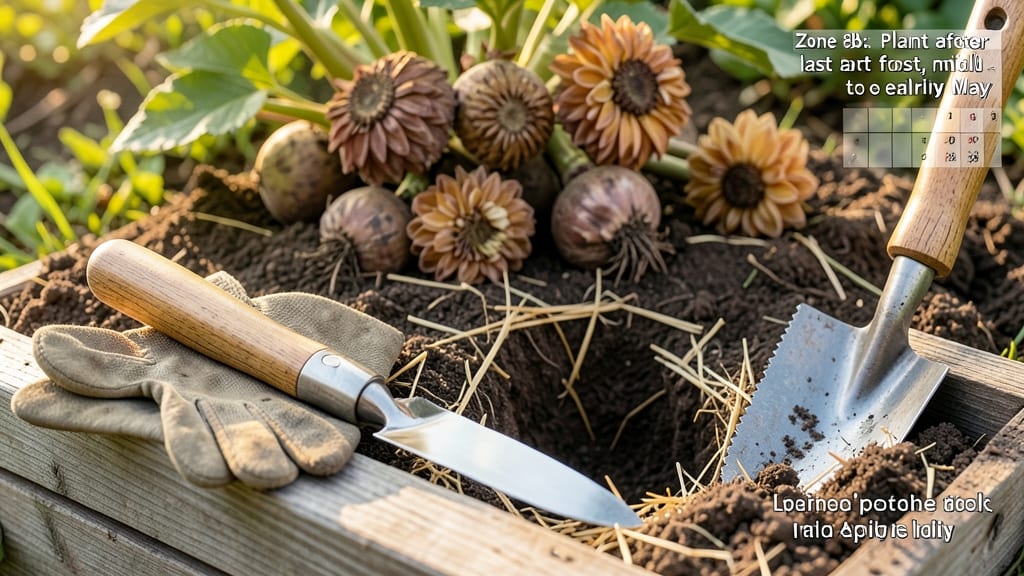
Planting dahlias in Zone 8b at the wrong time means skipping the bold, show-stopping blooms you’ve been dreaming of—your garden could end up with floppy stems and faded petals instead.
The secret to lush dahlias 🌸 lies in timing: you’ll want to plant tubers 2–4 weeks before your last frost date, typically in early March when soil warms to 60°F.
Here’s the catch: Zone 8b’s mild winters and long summers can trick even seasoned gardeners into planting too early. If you rush, frost will still linger, stunting growth. But if you wait too long, your dahlias might bolt straight to flowers without the sturdy stems to support them.
I’ll walk you through the exact window, plus how to prep your soil and tubers for success.
Let’s cut to the chase—no more guessing games. You’ll learn how to align your planting schedule with your local frost dates, adjust for soil temperature, and even troubleshoot delays if your spring takes a detour.
By the end, you’ll know exactly when to get those tubers in the ground for a season of vibrant blooms.
Ready to transform your garden? The difference between a mediocre dahlia season and a showcase-worthy one often comes down to these simple but critical steps. Let’s make sure your dahlias steal the show this year.
Zone 8b dahlia planting timeline: exact weeks before last frost for peak blooms
In Zone 8b, where winters are mild but unpredictable, timing your dahlia tubers for planting is everything. The last average frost date hovers around February 15, but soil temperature is the real game-changer.
Dahlias need 60°F soil to thrive, which typically aligns with late March to early April in most Zone 8b regions. Planting too early risks frost damage to emerging shoots, while waiting too long cuts your blooming season short.
For bold, long-lasting blooms, aim to plant your dahlia tubers 2–4 weeks before your last frost date. This window gives roots time to establish before summer heat arrives. In Zone 8b, that translates to mid-March to early April for most gardeners.
However, if you're in a cooler microclimate (like higher elevations), push planting to late April to avoid frost surprises.
Here’s the golden rule: Wait until soil temps consistently stay above 60°F—use a soil thermometer to check. Cold soil slows root growth, leaving your dahlias vulnerable to rot or stunted growth.
If you’re planting in February, only do so in warmed greenhouse beds or under protective coverings. Otherwise, hold off until March or later.
🌱
| Stage | Action | Zone 8b Timeline |
|---|---|---|
| Prep Tubers | Chit tubers (soak in water for 12 hrs, place in bright light) | Late February |
| Hardening Off | Expose tubers to outdoor temps for 1 week | Early March |
| Plant Tubers | 4–6" deep, 12–15" apart in well-draining soil | Mid-March to Early April |
| First Blooms | Expect flowers 90–120 days after planting | Late June to July |
| Peak Season | Full blooms from July–October | July–October |
If you’re starting dahlia tubers indoors for an earlier jumpstart, begin chitting (pre-sprouting) them in late February. Place tubers in a bright, cool spot (60–65°F) with their eyes facing up. Once sprouts reach 3–4 inches, harden them off outdoors for a week before transplanting.
This method can shave 2–3 weeks off your growing season, giving you earlier blooms in Zone 8b’s competitive garden scene.
For container gardening, the timeline shifts slightly. Use larger pots (12"+ diameter) to accommodate root growth, and plant 1–2 weeks later than in-ground dahlias. Pots warm up faster in spring, so monitor soil temps closely.
If your containers are in a shady microclimate, delay planting until mid-April to avoid cold stress.
Pro tip: In Zone 8b, late April is your absolute deadline for planting tubers. After that, you risk bolting (early flowering) or heat stress before roots establish. If you miss this window, consider starting dahlias from seed indoors in February for a fall display.
🌿
After planting, mulch heavily (3–4 inches) with straw or shredded leaves to retain soil moisture and regulate temperature. In Zone 8b’s hot summers, mulch prevents soil from drying out too quickly, which is critical for dahlia tuber health.
Water deeply once a week (1–2 gallons per plant) and avoid wetting foliage to prevent fungal diseases like powdery mildew.
Finally, stake or cage your dahlias at planting time—tall varieties like 'Café au Lait' or 'Galaxy' can reach 6 feet and need support. In Zone 8b, where summer humidity is high, airflow is key.
Space plants 18–24 inches apart to reduce disease risk and ensure bold, healthy blooms all season.
5 Critical factors that determine the best planting time for dahlias in Zone 8b
In Zone 8b, where mild winters and long summers create a gardener’s paradise, five key factors dictate the perfect planting window for dahlias. Ignore these, and you might end up with stunted growth or missed blooms.
Let’s break down what truly matters—so you can time your planting like a pro.
The first factor is soil temperature. Dahlias refuse to thrive in cold soil—aim for 60°F or warmer. In Zone 8b, this usually means waiting until late March. Use a soil thermometer to avoid guesswork.
Cold soil slows root growth, leaving your tubers vulnerable to rot or disease. If your soil isn’t ready, hold off—even if your neighbor’s garden looks warm.
🌱
- 🌡️ Soil Temperature: Wait until soil hits 60°F+ (typically late March in Zone 8b). Use a thermometer to confirm.
- 🌱 Tuber Size: Larger tubers (3"+ diameter) sprout faster. Smaller ones need 2 extra weeks to establish.
- ☀️ Sunlight Exposure: Dahlias need 6+ hours of sun daily. Plant in the sunniest spot to avoid leggy, weak stems.
- 🌬️ Microclimate: High elevations or shady areas delay planting by 1–2 weeks. Observe your garden’s unique conditions.
- ⏰ Local Frost Dates: Zone 8b’s last frost is Feb 15, but plant 2–4 weeks after to avoid frost surprises.
The second factor is tuber size. Larger tubers (3"+ in diameter) sprout faster and establish roots quicker than smaller ones. If you’re working with smaller tubers, plan to plant 2 weeks earlier to give them time to catch up.
Pro tip: Soak tubers in lukewarm water for 12 hours before planting to jumpstart growth. This simple step can shave 1–2 weeks off your growing timeline.
Next up: sunlight exposure. Dahlias are sun worshippers—they need 6+ hours of direct sunlight daily. If you plant them in a shady spot, you’ll end up with weak stems and fewer blooms.
Scout your garden now and mark the sunniest location for your dahlias. In Zone 8b’s hot summers, afternoon shade can actually help, but morning sun is non-negotiable.
Don’t overlook microclimates—your garden might have cooler pockets (like north-facing beds) or warmer zones (like south-facing slopes). If you’re in a cooler microclimate, delay planting by 1–2 weeks to avoid cold stress.
Conversely, if your garden is warmer than average, you might plant earlier. Pay attention to where frost lingers longest in your yard—this is where you’ll need to adjust your timeline.
Finally, local frost dates are your ultimate guide. While Zone 8b’s average last frost is February 15, planting 2–4 weeks after gives your dahlias a buffer. In 2023, for example, some Zone 8b regions saw frost as late as March 10.
Always check your local almanac or use a frost date calculator to avoid surprises. If frost sneaks in after planting, cover young shoots with row fabric to protect them.
🌿
By mastering these five factors, you’ll turn guesswork into garden success. Start with soil temperature, then adjust for tuber size, sunlight, microclimates, and frost dates.
When you align all five, your dahlias will burst into bloom like clockwork—no more wilted dreams, just bold, vibrant flowers all season.