
Companion Plants
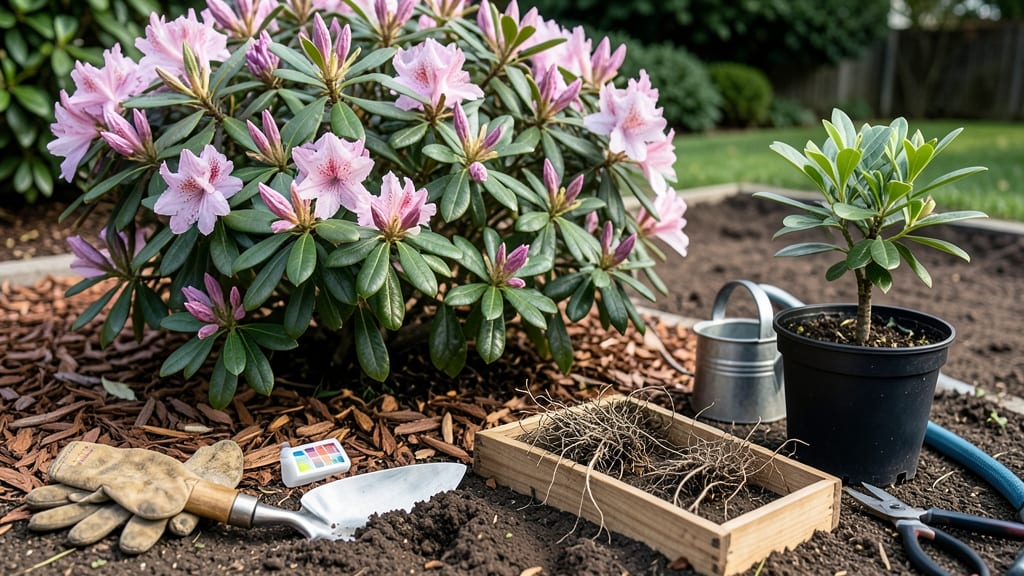
Planting azaleas at the wrong time in Alabama can mean the difference between a vibrant, blooming shrub and one that struggles to take root. The key to success lies in understanding your USDA Zone 7B-8A climate and choosing the perfect planting window for your 🌸 azaleas to thrive.
Alabama’s mild winters and hot summers create ideal conditions for azaleas, but timing matters more than you might think.
Whether you're planting in the ground or containers, the best months to plant are fall (October-November) or early spring (February-March)—when temperatures are cool but not freezing, giving your plants the best chance to establish strong roots before extreme weather hits.
I’ve seen firsthand how a well-timed planting can transform your garden with stunning blooms year after year. In this guide, I’ll break down the exact windows for planting azaleas in Alabama, including soil prep, watering tips, and post-planting care to ensure your shrubs grow healthy and full of color.
Ready to turn your garden into a showstopper? Let’s dive into the best times to plant azaleas in Alabama and set your shrubs up for success from day one.
Best months to plant azaleas in Alabama (zone 7B-8A guide)
Alabama’s USDA Zones 7B-8A offer ideal conditions for azaleas, but timing your planting is everything. The best windows are fall (October-November) and early spring (February-March), when temperatures are mild and soil is workable. These months give roots time to establish before summer heat or winter dormancy sets in.
Fall planting is my top recommendation because cooler air and moist soil reduce transplant shock. By late November, though, soil temperatures drop, slowing root growth. Spring planting works too, but avoid late March when last frosts can still occur in Zone 7B areas like Huntsville.
For bare-root azaleas, fall is critical—they need 6-8 weeks of cool weather to establish roots before winter. Container-grown azaleas are more flexible and can handle spring planting, but they’ll need consistent watering to prevent drying out.
Alabama’s humid summers and hot afternoons make planting in late spring or summer risky. Azaleas struggle with heat stress, and new roots can’t develop properly. If you must plant in summer, choose early June and provide afternoon shade.
North Alabama’s Zone 7B areas like Decatur experience earlier frosts, so aim for October 15-November 15 in fall or February 15-March 1 in spring. South Alabama’s Zone 8A (e.g., Mobile) can extend planting into early December or late March, but monitor local frost dates.
Your azalea’s soil pH (4.5-6.0) and moisture levels matter just as much as timing. Test your soil before planting—Alabama’s native clay often needs organic matter like pine bark or peat moss to improve drainage. Amend with sulfur if pH is too high.
After planting, mulch with pine straw to retain moisture and regulate soil temperature. Keep mulch 2-3 inches thick but avoid piling it against the stem. This mimics Alabama’s natural forest floor conditions where azaleas thrive.
Water deeply after planting, then maintain 1-2 inches of moisture weekly for the first year. Drip irrigation works best in Alabama’s heat, delivering water directly to roots without wetting foliage—critical for preventing fungal diseases like petal blight.
Pro tip: If you miss the ideal windows, container-grown azaleas can be planted in late winter (January) or early summer (June), but expect slower establishment. Just provide extra care during these off-times.
How to choose the perfect planting window for your Alabama location
Timing your azalea planting in Alabama isn’t just about the calendar—it’s about understanding your local microclimate. North Alabama’s cooler USDA Zone 7B (like Huntsville) has later frost dates than South Alabama’s Zone 8A (like Mobile), which means your planting window could shift by weeks.
I always check my local frost-free dates (typically March 15 for last frost and November 15 for first frost) to avoid planting too early when roots might freeze or too late when summer heat stresses young plants.
Urban areas like Birmingham can experience heat islands that dry out soil faster, while rural spots near rivers stay moist longer.
If you’re in a container garden, your azaleas will dry out quicker than in-ground plants, so you’ll need to adjust your planting window slightly earlier to give them time to establish roots before summer’s peak heat arrives.
Rainfall patterns also play a role. Alabama’s spring rains (March-May) can make soil too soggy for planting, while fall’s steady showers (October-November) provide perfect moisture for root growth. I’ve learned to avoid planting during heavy rain periods—muddy soil compacts around roots, suffocating them.
Instead, aim for 5-7 dry days after a rain to work with ideal soil conditions.
- Frost Dates: Plant 6 weeks before first frost (by October 1) or 4 weeks after last frost (by April 15).
- Soil Temp: Ideal range is 60-70°F—too cold and roots won’t grow; too hot and plants stress.
- Rainfall: Avoid planting during heavy downpours (soil compacts) or droughts (roots dry out).
- Urban vs. Rural: Containers need earlier planting (by September 15) to prevent summer drying.
- Microclimates: North AL: plant 2 weeks later than South AL due to cooler temps.
One common mistake I see is planting azaleas in late spring (May-June). While the weather seems perfect, the intense Alabama summer heat (often exceeding 90°F) stresses young plants before they’ve had time to establish roots.
If you must plant in summer, choose early June, water deeply every 3-4 days, and provide afternoon shade with shade cloth or nearby trees.
For bare-root azaleas, the window is narrower—plant them as soon as possible after purchase (they dry out quickly) but no later than November 15 in Zone 7B or December 1 in Zone 8A. Container-grown azaleas are more forgiving and can be planted up to March 1 in most of Alabama, but they’ll need extra mulch and water to compensate for the later start.
Pro tip: Use a soil thermometer to check depth—roots need soil temps above 55°F to grow. If temps drop below 40°F at night, delay planting until conditions stabilize.
In my garden, I’ve found that late October is the sweet spot for most of Alabama—cool enough for root growth but warm enough to avoid frost damage.