
Plants
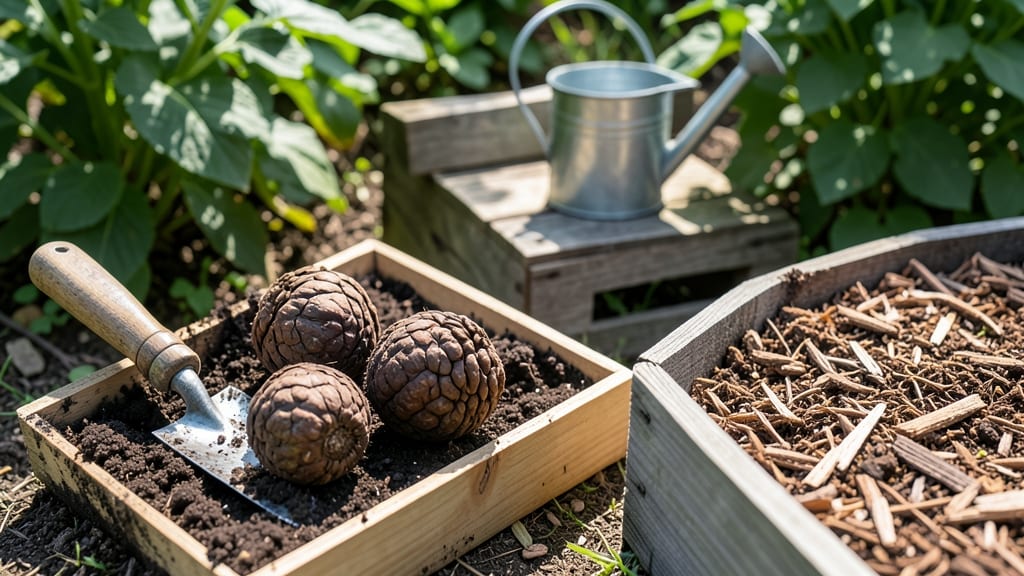
Planting dahlia bulbs in Massachusetts at the wrong time can mean the difference between stunning 🌸 blooms and wasted effort. Since our Zone 6a climate demands precision, timing matters more than most gardeners realize—especially when frost dates shift from coastal Boston to inland Worcester.
Most gardeners wait until after the last frost (typically mid-April), but that’s just the start. The real secret lies in soil temperature—dahlias thrive when the ground reaches 60°F, which usually happens 4-6 weeks after frost.
Plant too early, and cold soil stunts growth; too late, and you’ll miss peak summer color.
Whether you’re working with bare-root tubers or pre-sprouted bulbs, this guide breaks down the exact window for your microclimate. We’ll cover soil prep, frost protection hacks, and how to stretch your blooming season—because in Massachusetts, every extra week counts.
Ready to transform your garden? Let’s get those dahlias in the ground at the perfect moment for your corner of the state.
Massachusetts dahlia planting deadlines: exact dates by Zone 5B/6A
Massachusetts’ Zone 5B/6A climate means your dahlia planting window is tight—just 4-6 weeks between last frost and summer heat. Miss this window, and you’ll either lose tubers to frost or struggle with heat stress. Let’s break down the precise deadlines and soil conditions that separate success from disappointment.
First, check your local last frost date—most of Massachusetts averages April 15 for inland areas, but coastal regions like Cape Cod can be 2 weeks earlier. Planting too soon risks frost damage to tender tubers, while waiting too long means smaller blooms or stunted growth.
Aim to plant 4-6 weeks after your last frost date.
For Zone 5B (western MA, Worcester, Springfield), your ideal planting window is May 1-15. In Zone 6A (Boston, coastal areas), you can start 2 weeks earlier—April 20-May 5.
Soil temperature is your true guide: dahlias need 60°F+ soil to thrive, so test with a soil thermometer before planting.
| Zone | Last Frost Date | Ideal Planting Window | Soil Temp Threshold | Key Consideration |
|---|---|---|---|---|
| Zone 5B | April 20-May 5 | May 15-June 1 | 60°F+ | Clay-heavy soil; amend with compost |
| Zone 6A | April 15-25 | April 20-May 10 | 60°F+ | Coastal areas; watch for wind exposure |
| Both Zones | N/A | June 1+ | N/A | Late planting; use cold frames or containers |
Pro tip: If you’re in western MA (like Pittsfield or Amherst), account for colder microclimates—delay planting until May 15 to avoid late spring frosts.
For coastal areas, like Provincetown or Marblehead, you can push planting to April 20, but protect young plants with frost cloth just in case.
Your dahlia tubers need 30-45 days of warm soil to establish roots before summer heat arrives. Planting after June 1 risks bolting (rapid stem elongation) or smaller blooms. For late plantings, opt for dwarf varieties like 'Bishop' or 'Café au Lait', which mature faster.
Don’t forget: Massachusetts’ summer heat (especially in July-August) can stress dahlias if planted too late. Aim for full bloom by August to enjoy your dahlias before first frost (typically October 15). Use mulch to retain soil moisture and stake tall varieties early to prevent wind damage.
For urban gardeners in Boston or Cambridge, containers are a great solution—they warm up faster than ground soil. Fill pots with well-draining mix and plant 2 weeks earlier than ground plantings to compensate for cooler roots.
If you’re chitting bulbs indoors (placing them in bright light to sprout before planting), start 6-8 weeks before your target outdoor date. This gives you a 2-week head start on growth, critical for Zone 5B’s shorter season.
Just don’t plant sprouted tubers until soil is 60°F+—cold soil will shock them.
Keep an eye on your local weather forecasts in late April/May. A 50°F night after planting can stunt growth, so have row covers ready. And remember: dahlias are hungry plants—add compost or balanced fertilizer at planting to fuel their rapid growth.
How to prepare dahlia bulbs for Massachusetts’ short growing season
Prepping dahlia bulbs for Massachusetts’ unpredictable springs is half the battle. Clay-heavy soils in many regions drain poorly, while urban containers dry out faster—both can stress your tubers. Start indoors 6-8 weeks before your target planting date (mid-May for most of MA) to give them a head start.
First, inspect your dahlia tubers for soft spots or mold. Discard any damaged ones immediately—rot spreads fast in damp MA springs. Healthy tubers should feel firm with multiple "eyes" (growth points). If yours are bare-root, soak them in lukewarm water for 1 hour before planting to rehydrate.
For chitting (pre-sprouting), place tubers in a bright, cool spot (60-65°F) with the eyes facing up. Use a seed tray with moist perlite or a paper towel—this mimics MA’s gradual spring warming. Once sprouts reach 2-3 inches, they’re ready to harden off.
Amend heavy clay soil with compost and perlite (1:1 ratio) to improve drainage. For containers, use a lightweight mix of potting soil, coconut coir, and vermiculite. Dahlias hate soggy roots—MA’s rainy springs can turn your garden into a swamp if you skip this step.
Plant tubers 4-6 inches deep, with the eyes facing up. Space dwarf varieties 12 inches apart; standard types need 2-3 feet to thrive. Add a 2-inch layer of mulch (straw or shredded leaves) to retain moisture and regulate soil temp—critical for MA’s temperature swings.
After planting, water deeply but infrequently—once established, dahlias hate wet feet. In Zone 5B (western MA), aim for 1 inch of water per week; in Zone 6A (coastal areas), reduce to ¾ inch due to higher humidity.
Use a soaker hose to avoid wetting foliage (prevents powdery mildew, a common MA issue).