
Plants
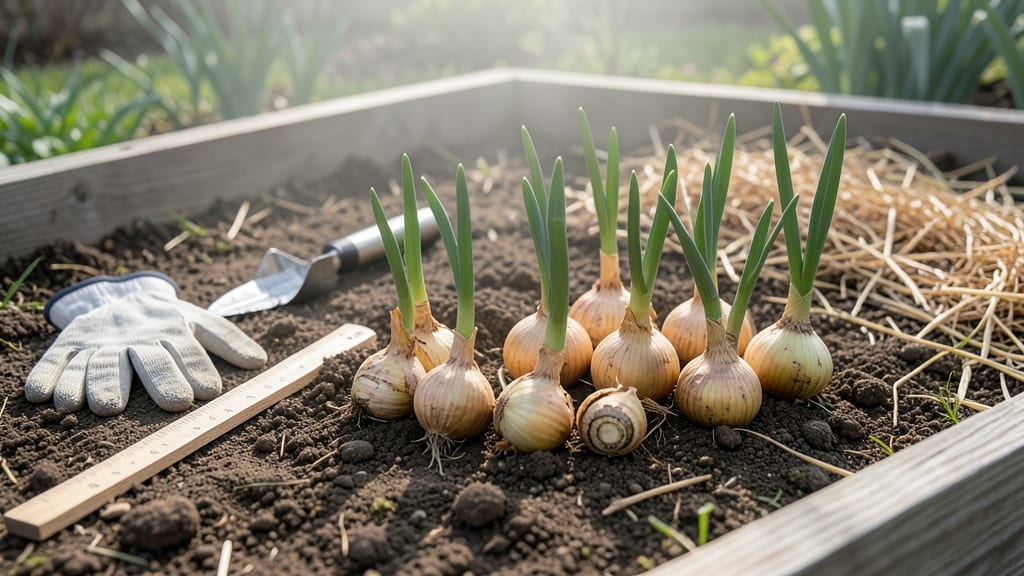
Planting daffodils in Tennessee during the wrong window could mean watching your 🌼 bulbs freeze before they even bloom—unless you know the exact timing that works for your microclimate.
The key to vibrant spring flowers lies in getting them in the ground 4-6 weeks before the first hard frost, which in Tennessee’s 6a-7b zones typically lands in late October or early November.
Why does this matter? Because daffodils need time to establish roots before winter hits, and planting too early (like September) risks rot, while planting too late (December) leaves them vulnerable to frost damage.
I’ve seen gardeners in the Smoky Mountains and Nashville valleys make both mistakes—and here’s how to avoid them.
In this guide, I’ll break down the best months for your specific Tennessee region, how to adjust for mountain vs. valley frost patterns, and the simple soil prep tricks that make all the difference. No more guessing games—just zero-frost, show-stopping blooms next spring.
Ready to transform your yard into a daffodil paradise? Let’s dive into the exact steps that’ll have your bulbs thriving when frost finally fades for good.
Best planting months for daffodils in Tennessee’s climate zones
Tennessee’s diverse climate—from the Appalachian Mountains to the Cumberland Plateau—means daffodil planting windows vary by USDA zones 6a-7b. In East Tennessee (zone 6a), where frosts hit earlier, aim for mid-October to early November.
Meanwhile, Middle and West Tennessee (zone 7a-7b) gardeners can plant as late as late November without risking frost damage.
Daffodils need 4-6 weeks of cool soil (below 60°F) to establish roots before winter dormancy. In Tennessee’s high elevations, like Great Smoky Mountains areas, plant by October 15th to avoid early snow.
Conversely, Memphis and Nashville gardeners can wait until late November when soil temps drop below 55°F.
Use your last average frost date as a guide: subtract 6 weeks for ideal planting. For example, if your area’s last frost is April 15th, plant by March 1st. Tennessee’s frost-free season spans 180-210 days, so timing ensures bulbs bloom before late spring frosts return.
🌼
| Tennessee Region | USDA Zone | Ideal Planting Window | Soil Temp Goal | Key Microclimate Note |
|---|---|---|---|---|
| East Tennessee (e.g., Knoxville, Chattanooga) | 6a (-5°F to -10°F) | Mid-October to early November | Below 60°F | Mountain valleys freeze faster |
| Middle Tennessee (e.g., Nashville, Murfreesboro) | 7a (0°F to 5°F) | Late October to late November | Below 55°F | Urban heat islands delay frost |
| West Tennessee (e.g., Memphis, Jackson) | 7b (5°F to 10°F) | Late November (soil temp <50°F) | Below 50°F | Longer growing season |
| High Elevations (e.g., Great Smoky Mtns) | 6a-6b | October 15th or earlier | Below 58°F | Snow cover protects bulbs |
Miss the ideal window? Early September is a secondary planting time for Tennessee gardeners, but bulbs may need extra mulch to prevent frost heave. Conversely, planting in December risks root establishment delays—bulbs may not bloom until year two.
Pro tip: Check soil temperature with a thermometer (6" deep) before planting. 50-60°F is perfect for daffodil roots. In warmer microclimates, like Nashville’s urban gardens, wait until November 1st to avoid premature sprouting.
🌿
For container gardening in Tennessee, plant daffodils in October-November regardless of zone—containers cool faster. Use well-draining pots and move them to a garage or insulated wrap if temperatures drop below 20°F.
Remember: Daffodil blooms appear 60-90 days after planting. Planting too early (e.g., September) can trigger premature shoots that freeze in November. Always prioritize root establishment over early planting.
☀️
How to time daffodil planting for spring blooms before frost returns
Timing your daffodil planting isn’t just about picking a month—it’s about understanding your local frost patterns and giving bulbs the 4-6 weeks they need to root before winter.
In Tennessee’s USDA zones 6a-7b, this usually means planting between late October and early November, but your exact window depends on whether you’re in the cooler Appalachian Mountains or the warmer Cumberland Plateau.
Start by checking your average first frost date. In Knoxville, this often lands around October 20th, while Chattanooga might see frost by November 5th.
Count backward 6 weeks from that date—that’s your ideal planting window. For example, if frost hits November 10th, plant by mid-September to avoid winter damage.
Don’t rely on the calendar alone—soil temperature matters too. Daffodils thrive when soil is 50-60°F. Use a soil thermometer to confirm conditions before planting. If temperatures drop below 40°F, bulbs won’t root properly, and they’ll rot instead of blooming.
🌼Pro Tip: Plant daffodils in well-draining soil to prevent rot. Amend heavy clay with compost or sand if needed. Bulbs should sit 6 inches deep—deeper in sandy soil, shallower in clay—to protect them from freeze-thaw cycles.
⚠️ Common Mistake: Planting Too Early
Planting daffodils in September might seem early, but warm, wet soil encourages rot before roots establish. Wait until soil cools to 60°F or below—usually late October—to give bulbs the dormancy period they need to survive winter.
Moon phases can also influence success. Planting during a waning moon (after the full moon) encourages root growth, while a waxing moon promotes top growth. Check a lunar calendar for your planting window—just don’t let it override soil temperature checks!
Finally, mulch after planting to insulate bulbs. Use 2-3 inches of straw or shredded leaves—never fresh grass clippings, which can mat and suffocate bulbs. Remove mulch in early spring to let foliage photosynthesize for next year’s blooms.
By combining frost dates, soil temps, and moon phases, you’ll give your daffodils the perfect head start. Next spring, you’ll be rewarded with bold, zero-frost blooms that brighten up Tennessee’s gray days.