
Plants
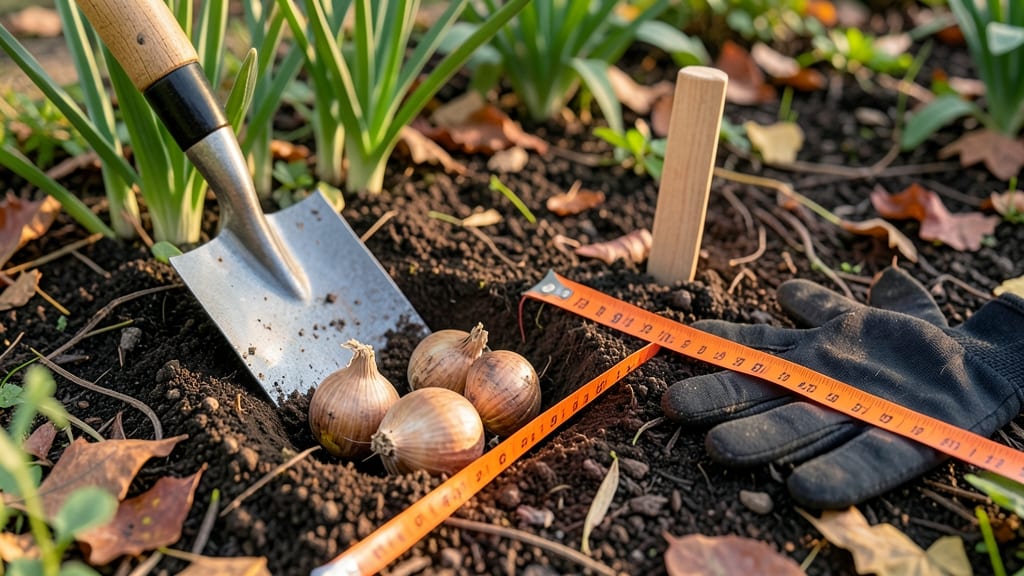
Timing your daffodil 🌼 planting just right in Virginia makes all the difference between showstopping spring blooms and disappointed gardeners. Planting too early or too late can leave your bulbs vulnerable to frost damage or poor root establishment, but getting it perfect is easier than you think.
Virginia’s USDA zones 6a-8a mean you’ve got a 6-8 week window in fall to plant before the ground freezes—typically between September and November. The key is planting when soil temperatures drop but before the first hard frost hits, giving those roots time to settle in without winter stress.
I’ve learned that early fall planting (September) works best in cooler northern Virginia zones, while southern areas can wait until late October. The goal? Get those bulbs in the ground 6 weeks before frost—that’s your golden ticket to next spring’s vibrant displays.
Once you’ve got the timing down, the rest is simple soil prep and a little patience. Let me walk you through exactly how to make it happen—so you can enjoy those cheerful yellow blooms without the guesswork.
Virginia’s USDA zones and the best months to plant daffodils for spring blooms
Virginia’s USDA zones 6a through 8a create a unique challenge for daffodil planting—too early, and bulbs may sprout before winter; too late, and they won’t establish roots before frost.
The sweet spot? 6-8 weeks before your region’s first hard freeze, which typically falls between mid-October (Zone 6a) and early December (Zone 8a). This window ensures roots grow strong enough to survive winter dormancy while avoiding premature spring growth.
In Zone 6a (northern VA, Shenandoah Valley), aim for late September to early October—planting after October 15th risks frost damage to tender roots.
Meanwhile, Zone 7a (Richmond, Charlottesville) gardeners have flexibility until mid-November, while Zone 8a (Tidewater, Norfolk) can push planting to early December thanks to milder winters. Microclimates near water or mountains may shift these dates by 2-3 weeks, so always check local frost records.
Soil temperature is your best indicator for timing. Daffodil bulbs need 60°F soil temps to sprout but will rot if planted in warm (>70°F) soil. Use a soil thermometer to confirm readiness—most Virginia regions hit this sweet spot by late September.
If your soil stays warm past October, opt for larger bulbs (12"+ diameter), which establish roots faster.
Pro tip: Layered planting extends your bloom season. Plant early varieties (e.g., ‘February Gold’) in September for March blooms, then add mid-season types (e.g., ‘Ice Follies’) in October for April-May flowers. This technique works especially well in Zone 7a and 8a, where winters are less severe.
| USDA Zone | Ideal Planting Window | Soil Temp Threshold | Key Regions |
|---|---|---|---|
| 6a | Late September–October 15 | 60°F (roots establish by Nov 15) | Northern VA, Shenandoah Valley |
| 7a | October–November 15 | 60°F (roots establish by Dec 1) | Richmond, Charlottesville |
| 7b | October–November 30 | 60°F (roots establish by Dec 15) | Roanoke, Lynchburg |
| 8a | November–Early December | 60°F (roots establish by Jan 1) | Tidewater, Norfolk |
⚠️ Note: Adjust 1-2 weeks earlier for high-elevation areas (e.g., Blue Ridge Mountains).
Virginia’s sandy coastal soils (Zone 8a) dry out faster, so plant 2-3 weeks earlier than inland areas to ensure moisture retention. Conversely, clay-heavy soils (Zone 6a) stay damp longer—wait until soil temps drop below 70°F to avoid rot.
Always amend with compost or sand to improve drainage, especially in low-lying areas prone to winter waterlogging.
Container planting shifts your timeline 1-2 weeks earlier since pots warm up faster. Use well-draining mix (50% potting soil, 30% perlite, 20% compost) and plant by mid-October in Zone 7a or early November in Zone 8a.
Move containers to a protected spot (e.g., against a south-facing wall) to extend the season—just don’t let them freeze solid.
Missed the fall window? December planting is risky but possible in Zone 8a if soil temps are below 60°F. Use smaller bulbs (8-
Critical factors that determine the perfect planting window in Virginia
Virginia’s microclimates and USDA zones create a tricky balance for daffodil planting. The first frost date varies wildly—from mid-October in Zone 6a (like Roanoke) to December in Zone 8a (like Norfolk).
Planting too early means bulbs may sprout and get fried by early freezes, while late planting risks shallow roots before winter dormancy.
Soil type plays a surprising role too. Sandy soils in coastal areas (like Virginia Beach) warm faster, giving you a 2-week extension for planting compared to heavy clay soils in the Piedmont region. Always aim for 60°F soil temps—use a soil thermometer if unsure.
Bulb size matters more than you’d think. Large bulbs (12"+ diameter) establish roots faster, so they can handle late-October planting in Zone 7a. Smaller bulbs (8-10") need early September timing to avoid frost damage. Check bulb packaging for size codes if unsure.
Container planting adds another layer. Potted daffodils in Virginia face 30% higher frost risk because containers cool faster. If using pots, plant 4-6 weeks earlier than in-ground bulbs and move them to a garage or insulated box if frost threatens before roots establish.
🌡️ Frost Alert!
Never plant daffodils in Virginia after your average first frost date. Use the National Weather Service frost map for your county, then subtract 6-8 weeks. Late planting = frost-damaged bulbs next spring.
Even experienced gardeners mess up timing by ignoring moisture levels. Daffodils need consistent soil moisture after planting to root, but waterlogged soil in Virginia’s rainy fall can rot bulbs. Amend heavy soils with compost or perlite to improve drainage, especially in low-lying areas that hold water.
Pro tip: Use a planting calendar like Virginia Cooperative Extension’s zone-specific guides. They account for localized frost patterns—like the Blue Ridge Mountains getting frost 2 weeks earlier than Richmond. Adjust your timing 1-2 weeks earlier if you’re in a high-altitude microclimate.