
Planting
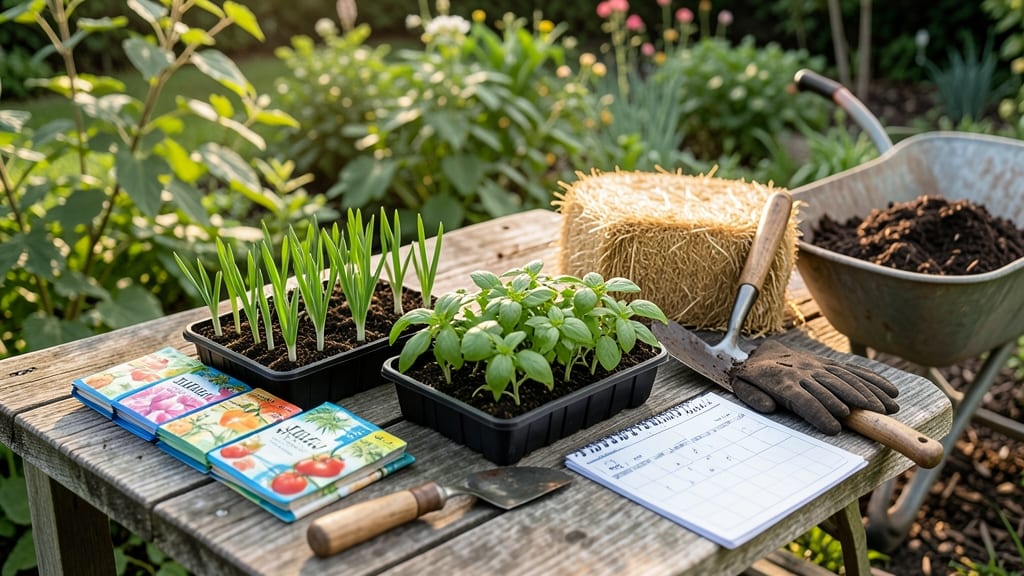
Planting your General East Tennessee Garden 🌱 at the wrong time could mean the difference between a lush harvest and a sad pile of frost-nipped seedlings. With East Tennessee’s USDA Zone 6a-7a climate, timing isn’t just important—it’s the key to unlocking your garden’s full potential.
You’ve probably heard the rule of thumb: “Plant after the last frost.” But in East Tennessee, where frost dates can shift by 2 weeks between Knoxville and Asheville, that advice falls short.
The real secret lies in understanding your specific microclimate and matching it to your crops—whether you’re growing heat-loving tomatoes or cold-hardy spinach.
In this guide, I’ll break down the exact planting windows for spring and fall, so you can avoid common mistakes like bolting lettuce or stunted peppers.
We’ll cover soil prep, frost safety hacks, and even how to adjust for elevation changes that can shift your growing season by 10+ days.
Ready to transform your garden from guesswork to guaranteed success? Let’s dive into the perfect planting schedule for your East Tennessee plot—so you can enjoy fresh veggies and blooms all season long.
USDA Zone 7a/7b frost dates: exact planting deadlines for East Tennessee gardens
Understanding East Tennessee’s frost dates is the first step to avoiding frost damage and maximizing your harvest potential. The region spans USDA Zones 6b-7a, with last frost dates typically falling between March 15 and April 15.
However, microclimates—like the cooler highlands near Great Smoky Mountains National Park—can shift these dates by up to 2 weeks earlier. For example, Knoxville (Zone 7a) usually sees its last frost around April 1, while Asheville (Zone 6b) often waits until April 15.
First frost dates in East Tennessee typically arrive between October 15 and November 15, but this can vary dramatically. High-elevation areas like Cades Cove may see frost as early as September 20, while Chattanooga’s lower elevations might delay frost until November 10.
These variations mean your planting schedule should account for local conditions, not just the general zone guidelines.
To navigate these uncertainties, use the 10-day rule: Wait at least 10 days after your average last frost date before planting warm-season crops like tomatoes and peppers. This buffer accounts for late frost surprises and ensures your seedlings aren’t shocked.
For cool-season crops such as spinach and peas, you can plant 4-6 weeks before the last frost, as these hardy plants thrive in cooler temperatures.
Here’s a quick reference for East Tennessee’s frost-free growing season: You’ll typically enjoy about 165 frost-free days, but this can stretch to 180 days in warmer microclimates.
This means spring planting should start in March for cold-hardy crops and late April for heat-lovers, while fall planting can begin as early as August for quick-maturing varieties.
For warm-season vegetables, such as tomatoes, peppers, and cucumbers, timing is critical. These plants cannot tolerate frost and should only be planted after your last frost date.
A helpful trick is to use biodegradable plant pots for seedlings, which you can plant directly into the soil to avoid transplant shock.
For cool-season crops like kale, broccoli, and carrots, you can start seeds indoors 8-10 weeks before the last frost to give them a head start.
If you’re unsure about your local frost dates, check resources like the NOAA Climate Data or local Cooperative Extension offices (e.g., UT Extension for Knoxville or NC State Extension for Asheville). These sources provide historical data and can help you plan for unpredictable weather patterns.
For example, the 2021 late frost in April caught many gardeners off guard, so always have a backup plan for protecting young plants with row covers or cloche tunnels.
Another key strategy is to stagger your planting. Instead of planting all your lettuce or radishes at once, sow a portion every 2 weeks. This ensures a continuous harvest and reduces the risk of losing your entire crop to bolting (when plants flower prematurely due to heat stress).
For instance, plant radishes every 2 weeks from March to September to enjoy fresh harvests all season.
For perennial plants like asparagus, rhubarb, and strawberries, timing is equally important.
These plants should be installed in early spring (March) or early fall (September) to establish strong roots before winter. Asparagus crowns, for example, take 2-3 years to mature, so planting them at the right time ensures you won’t miss out on those first delicious spears
How to adjust planting times for East Tennessee’s microclimates and soil conditions
East Tennessee’s diverse geography—from the Great Smoky Mountains to the Cumberland Plateau—creates microclimates that can shift frost dates by 1-2 weeks. For example, Asheville (USDA 7a) often sees frost 10 days earlier than Chattanooga (USDA 7b). Use these adjustments to fine-tune your schedule for success.
Elevation plays a critical role: every 1,000 feet higher you go, temperatures drop 3.5°F. That means Cades Cove (3,000 ft) may need 2 weeks later planting than Knoxville (900 ft). Check local NOAA frost maps or ask your county extension office for hyper-local data.
| Location | Avg. Last Frost | Avg. First Frost | Adjustment Tip |
|---|---|---|---|
| Asheville (7a) | April 1 | October 20 | Plant cold-hardy crops by March 15 |
| Knoxville (7b) | April 15 | November 5 | Extend season with row covers until May 1 |
| Chattanooga (7b) | April 10 | November 1 | Use cold frames for late fall harvests |
| Cades Cove (6b) | March 25 | October 10 | Wait until April 15 for warm-season crops |
East Tennessee’s clay-heavy soils can delay planting by 1-2 weeks if not prepared properly. Test your soil’s drainage and pH—aim for 6.0-7.0—and amend with compost or sand if needed.
Raised beds warm up 2-3 weeks faster than in-ground soil, making them ideal for urban gardeners or areas with poor drainage.
For container gardening, start 2-3 weeks earlier than in-ground planting since pots heat up faster. Choose fast-maturing varieties like ‘Cherry Tomato’ or ‘Bush Bean’ to maximize your short growing season. Containers also let you move plants to sunniest spots or sheltered areas during unexpected frosts.
Don’t forget humidity’s role—East Tennessee’s high summer humidity can stress plants, so prioritize well-draining soil and mulch heavily to retain moisture. For fall planting, use black plastic mulch to warm soil and extend the season by 3-4 weeks.
Pro tip: Monitor local weather via the Mountain Weather Center app for real-time frost alerts. If a late frost is forecasted, cover tender seedlings with frost cloth or old blankets—it can save your entire crop!