
Planting
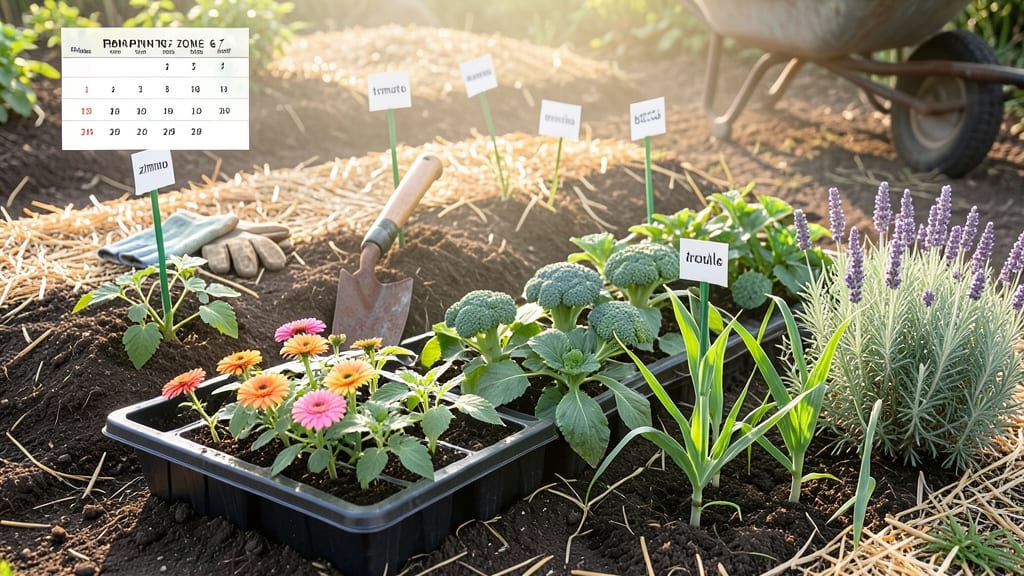
Timing your 🌱 General Garden Plants just right in Tennessee can mean the difference between a bumper crop and a sad, wilted disappointment. The state’s 6a-7b climate zones throw a curveball—East Tennessee’s chilly springs clash with West Tennessee’s scorching summers—so knowing when to plant isn’t just helpful, it’s essential.
If you’ve ever rushed seedlings into the ground only to watch them crisp under an unexpected frost, you know how critical this is. The secret lies in mastering frost-free deadlines that align with your specific zone and crop type.
Whether you’re dreaming of juicy tomatoes or crisp lettuce, getting the timing right means fewer setbacks and more harvests.
I’ll break down the exact windows for spring and fall planting, from March’s first warm days to September’s last chance before winter creeps in. No more guessing—just proven strategies to help your garden thrive, no matter where you are in the state.
Ready to turn your green thumb into a harvest hero? Let’s dive into the perfect planting schedule for Tennessee’s diverse climate and get your garden off to the best possible start.
Tennessee planting zones and frost-free deadlines by month
Tennessee spans USDA Hardiness Zones 6a to 7b, creating distinct planting windows across its three main regions: East Tennessee (cooler), Middle Tennessee (moderate), and West Tennessee (warmer). These zones determine your last frost date, which is the critical marker for planting warm-season crops.
In East TN, expect your last frost around April 15-30, while West TN typically sees its last frost by March 15-25.
Understanding these deadlines helps you avoid frost damage to tender seedlings. For example, planting tomatoes or peppers too early in East TN can mean lost crops when a late frost hits.
Meanwhile, West TN gardeners can start warm-season crops 2-3 weeks earlier than their East TN counterparts. Always check your local Almanac's frost calendar for year-to-year variations.
Microclimates also play a role—urban areas may warm up faster than rural spots, and south-facing slopes get sun earlier in the season. If you're in a microclimate, like a low-lying valley or near a large body of water, adjust your planting dates by 1-2 weeks accordingly. For instance, Nashville's urban heat island effect can push last frost dates 3-5 days earlier than surrounding areas.
| Region | USDA Zone | Last Frost Date | First Frost Date | Spring Planting Window | Fall Planting Window |
|---|---|---|---|---|---|
| East TN (e.g., Knoxville, Chattanooga) | 6a-6b | April 15-30 | October 15-30 | April 15 - May 15 | August 1 - September 15 |
| Middle TN (e.g., Nashville, Murfreesboro) | 7a | March 25 - April 10 | October 5-20 | April 1 - May 10 | July 20 - September 10 |
| West TN (e.g., Memphis, Jackson) | 7b | March 15-25 | October 20-November 1 | March 20 - April 25 | July 10 - September 20 |
For spring planting, aim to have your warm-season crops like tomatoes, peppers, and cucumbers in the ground 2-3 weeks after your last frost date. This gives them time to establish roots before summer heat arrives.
In East TN, this means waiting until mid-May for heat-loving plants, while West TN gardeners can plant by early April.
Fall planting follows a similar logic but works backward from your first frost date. Cool-season crops like kale, spinach, and broccoli need 60-80 days to mature before frost hits.
In East TN, this means starting seeds by mid-July for a fall harvest, while West TN gardeners have until early August to plant for a late-season bounty.
Pro tip: Use frost cloth or row covers to extend your planting window by 2-4 weeks in spring or fall. These tools create a protective barrier that can raise soil temperatures by 5-10°F, allowing you to plant earlier or harvest later.
For example, I’ve used frost cloth to plant cabbage seedlings in East TN as early as mid-March, giving me a head start
Best crops to plant by Tennessee season: spring vs. fall planting guide
Tennessee’s spring and fall seasons offer the best windows for planting, but the wrong timing can mean the difference between a bountiful harvest and wasted effort. Cool-season crops like lettuce and broccoli thrive in spring’s mild temperatures, while warm-season favorites such as tomatoes and peppers need summer’s heat.
Let’s break down the ideal planting times by season and crop type to help you plan like a pro.
For spring planting, start cool-season crops like spinach and radishes indoors by late February to early March, then transplant them outdoors after your last frost date (typically mid-April).
Warm-season crops like squash and cucumbers should wait until soil temperatures reach 60°F or higher, usually in late April or early May. Fall planting works in reverse: sow kale and carrots in late summer for a harvest before the first frost in October.
| Crop Type | Spring Planting Window | Fall Planting Window | Notes |
|---|---|---|---|
| Cool-Season Vegetables | March-May (after last frost) | August-September (6-8 weeks before first frost) | Lettuce, broccoli, spinach, peas, radishes |
| Warm-Season Vegetables | April-May (soil 60°F+) | Not recommended | Tomatoes, peppers, squash, cucumbers, beans |
| Herbs | March-April (after frost) | July-August (for fall harvest) | Basil, parsley, cilantro (cool), oregano, thyme |
| Flowers | March-May (annuals) | August-September (perennials) | Marigolds, zinnias, pansies, snapdragons |
If you’re starting seeds indoors, begin with cool-season crops 4-6 weeks before your last frost date. For warm-season crops, start seeds indoors 6-8 weeks before transplanting outdoors. Always check seed packets for specific days to maturity—this helps you time your planting for the best harvest window.
For example, bush beans mature in 50-60 days, so plant them in early May for a July harvest.
Pro tip: Use succession planting for crops like lettuce and radishes to ensure a continuous harvest. Sow a new batch every 2-3 weeks in spring and fall. This method keeps your garden productive and reduces waste. Plus, it’s a great way to extend your harvest season well into autumn.
For fall planting, focus on crops that tolerate cooler temperatures, such as kale, collards, and turnips. These hardy vegetables can handle light frosts and even taste sweeter after a frost.
Plant them in late summer (August) for a harvest in October or November. Avoid planting warm-season crops too early in spring—they’ll bolt or struggle in cool soil.
Remember, Tennessee’s microclimates can vary dramatically. Urban areas like Nashville may have earlier last frost dates than rural East Tennessee, so always check local frost date averages and adjust your planting schedule accordingly.
With the right timing, you’ll enjoy a garden that’s bursting with flavor and color all season long. 🌱