
Plants
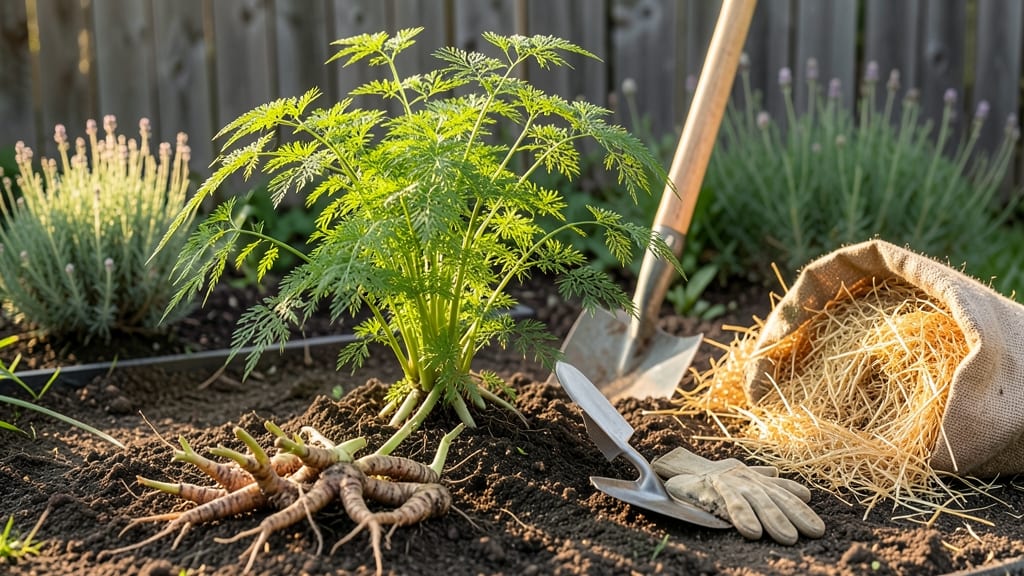
Timing your asparagus 🌱 planting in Tennessee isn't just about the calendar—it's about dodging last-minute frost surprises that could ruin your entire harvest. Plant too early, and those tender crowns might freeze; too late, and you'll wait two extra years for your first spears.
The sweet spot? Early spring, when soil temperatures hit 50°F and stay there.
Most Tennessee gardeners in zones 6a-7b should aim for March or early April, but don't stress if you miss that window. The key is preparing your soil now—rich, well-drained earth with a pH of 6.5-7.5—so your asparagus crowns get off to a running start.
I'll walk you through exactly how to check your soil's readiness and adjust for Tennessee's unpredictable spring weather.
Here's the game-changer: planting asparagus in trenches gives roots room to spread deep, which means bigger harvests down the road. Plus, I'll share my go-to tricks for protecting young plants from late frosts, whether you're in the cooler Appalachian foothills or the warmer Nashville basin.
No more guesswork—just a foolproof plan for your first successful crop.
Ready to turn your garden into an asparagus powerhouse? Let's break down the exact steps, from soil prep to post-planting care, so you can enjoy those first spears by next May. Trust me, getting this right now means fewer headaches and more delicious harvests for years to come.
Tennessee’s asparagus planting timeline by USDA heat zone (with frost date maps)
Tennessee’s USDA heat zones (5a through 8a) create wildly different planting windows for asparagus. In the cool Appalachian highlands (5a-6a), you’ll plant as early as late February, while in West Tennessee’s warmer zones (7b-8a), you can wait until mid-April without risking frost damage.
The key is soil temperature—wait until it reaches 50°F (10°C) at least 6 inches deep.
Asparagus crowns are hardy perennials, but they won’t tolerate frost after planting. Use your last frost date (typically mid-March in East TN and late March in West TN) as your deadline for starting in containers indoors.
For direct planting, aim for 2-4 weeks before your last frost—this gives roots time to establish before spears emerge.
Here’s the breakdown by zone, including soil prep and planting depth (12-18 inches for crowns). The summary table below maps exact windows for both crowns and seeds—seeds take 2 years longer to harvest but are cheaper for large patches.
| USDA Zone | Last Frost Date | Ideal Planting Window | Soil Temp Goal | Notes |
|---|---|---|---|---|
| 5a-6a (East TN Mountains) | Mid-March | Late Feb–Early March | 50°F (10°C) | Use row covers if late frost risk |
| 6b-7a (Middle TN) | Late March | Early–Mid March | 50°F (10°C) | Best for ‘Jersey Knight’ variety |
| 7b-8a (West TN) | Early April | Mid–Late March | 50°F (10°C) | Can plant seeds in April |
If you’re planting asparagus seeds (not crowns), start them indoors 8-10 weeks before your last frost date. Seeds germinate best at 70-75°F (21-24°C), so use a heat mat if your home stays cool.
Transplant seedlings 12 inches apart in trenches, but expect no harvest until year 3—crowns yield in 2 years.
For container gardening (great for urban Tennessee gardeners), use 5-gallon pots with drainage holes and plant one crown per container. Containers warm up faster in spring, so you can plant 2-3 weeks earlier than in-ground beds. Just ensure pots get full sun (6+ hours) and stay consistently moist.
After planting, mulch heavily (3-4 inches of straw or wood chips) to retain moisture and suppress weeds. Asparagus is perennial, so your bed will produce for 15-20 years—but only if you protect it from late frosts in its first season.
In Zone 5a, use frost cloth until mid-April to safeguard tender shoots.
Remember: Patience is key! The first year, let all foliage grow to build roots. In Year 2, you’ll get a few spears; full harvest starts in Year 3. But if you time it right, you’ll enjoy homegrown asparagus for decades—no grocery store spears needed!
🌱
5 Critical signs your Tennessee soil is ready for asparagus (and how to fix common mistakes)
Asparagus thrives in well-draining, nutrient-rich soil with a slightly alkaline pH (6.5–7.5). In Tennessee’s clay-heavy soils, like those in Middle TN, or sandy regions near the Cumberland Plateau, you’ll need to prep your soil carefully.
Skipping this step can delay harvests by up to 2 years—so don’t rush!
First, check your soil temperature. Asparagus crowns need soil temps of 50–60°F to root successfully. Use a soil thermometer (or your elbow—if it feels cold, it’s not ready).
In East TN’s cooler zones (5a-6a), wait until late March or early April; in West TN’s warmer zones (7a-8a), you can plant as early as February.
Next, dig a 6-inch-deep hole and fill it with water. If it drains in under 4 hours, your soil is too sandy—amend with compost or peat moss.
If water pools, your soil is too clay-heavy; mix in sand or perlite to improve drainage. Asparagus hates soggy roots, so prioritize drainage over all else.
| Sign | What It Means | Fix It |
|---|---|---|
| Soil temp < 50°F | Crowns won’t root; risk of rot | Wait 1–2 weeks or use black plastic mulch to warm soil |
| pH < 6.5 | Nutrient uptake fails; stunted growth | Add lime (1 lb per 100 sq ft) 2–3 months before planting |
| Clay-heavy soil | Poor drainage; roots suffocate | Mix in 3–4 inches of compost + coarse sand |
| Sandy soil | Nutrients wash away; weak plants | Add 2–3 inches of peat moss + aged manure |
| Soil drains too fast | Roots dry out; poor establishment | Plant in raised beds with 50% compost |
Don’t overlook soil moisture—asparagus needs consistent dampness but hates standing water. Before planting, water your trench thoroughly and wait until excess moisture drains away.
If your soil feels dry and crumbly, it’s not ready; water deeply for 2–3 days to stabilize moisture levels. Pro tip: In drought-prone West TN, mulch with straw or wood chips to retain moisture.
Lastly, test for compaction. Press your finger into the soil—if it feels hard or resistant, loosen it with a broadfork or garden fork to improve aeration.
Compacted soil restricts root growth, leading to smaller yields in years 1–3. Asparagus roots can grow 2 feet deep, so deep prep pays off!
Once your soil passes these checks, plant your asparagus crowns 12–18 inches deep in trenches, spacing them 12–18 inches apart. Water immediately after planting to settle the soil and encourage root contact.
With the right prep, your first harvest will arrive in just 2 years—not the frustrating 3+ years many gardeners face! 🌱