
Plants
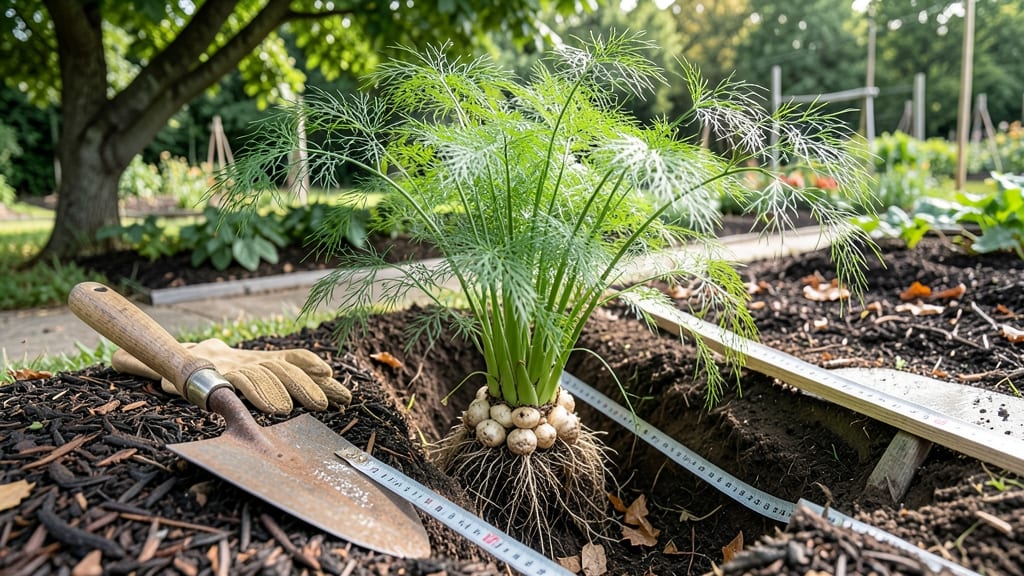
Planting asparagus in Alabama at the wrong time means waiting 3+ years for nothing—because those crowns won’t thrive if the soil’s too hot or cold. The key is timing it right between February and March, when the ground warms to 40-60°F but before the summer heat sets in.
Alabama’s humid climate and 7b-8b zones give you a narrow window to get it perfect. Skip this, and you risk fungal diseases or stunted growth from soggy soil.
I’ve learned the hard way—plant too early, and frost zaps the roots; too late, and the heat stresses the crowns before they establish.
Here’s the game-changer: crowns (not seeds) are your best bet for Alabama’s short but intense growing season. They’ll reward you with year-long harvests if you prep the soil right—think loose, well-draining beds with compost, and mulch to keep moisture steady through Alabama’s sweltering summers.
Let’s break down the exact steps to nail your planting window, avoid common mistakes, and set up your asparagus for a bold harvest in 3-4 years. Trust me, the patience pays off.
Alabama heat zone planting deadlines for asparagus success
Alabama’s USDA hardiness zones 7b-8b create ideal conditions for asparagus, but timing is everything. Plant too early, and cold snaps will damage crowns. Plant too late, and your 3-4 year harvest window shrinks dramatically. The key is soil temperature—wait until the ground reaches 40-60°F (about February-March in most of Alabama).
Northern Alabama (zones 7a-7b) has a later last frost date (around March 15), while southern Alabama (zone 8b) can start planting as early as January in protected microclimates.
For maximum yields, aim for 6-8 weeks before your last frost date—this gives roots time to establish before summer heat arrives.
Fall planting is possible in Alabama’s mild winters, but it’s riskier. You’ll need to plant 8-10 weeks before first frost (typically September-October) and use heavy mulch to protect crowns. Most Alabama gardeners prefer spring planting for simplicity and reliability.
Here’s how Alabama’s heat zones break down for optimal planting:
| Zone | Last Frost | Ideal Planting Window | Soil Temp Goal | Notes |
|---|---|---|---|---|
| 7a (North AL) | March 15 | Late Feb - Early March | 45-55°F | Wait for soil to thaw; use black plastic mulch for warmth |
| 7b (Central AL) | March 1 | Mid-Feb - Late March | 40-50°F | Best balance of frost risk and warm soil |
| 8a-8b (South AL) | February 15 | January - Early March | 50-60°F | Can plant earlier; watch for late frosts in Mobile area |
Alabama’s humidity and summer heat demand extra attention to planting timing. If you plant too early in zone 8b, crowns may rot before establishing roots. Conversely, planting too late in zone 7a risks stunted growth before winter dormancy.
The 60-day rule applies: count back 60 days from your average last frost date for the perfect window.
Pro tip: Use a soil thermometer to confirm ground temperature. Asparagus crowns won’t thrive if planted in cold, wet soil—this combination invites root rot, a common Alabama problem. Aim for 50°F+ consistently before planting.
For urban gardeners in Birmingham or Huntsville, microclimates can shift planting by 2-3 weeks. South-facing beds warm faster, while shaded areas may need delayed planting. Always check your local extension office for precise frost data—Alabama’s 220 frost-free days vary dramatically across regions.
Remember: Asparagus is a perennial investment. Planting at the right time in Alabama ensures 20+ years of harvests with minimal annual effort. The first 3 years are about building roots—don’t rush the process by planting too early or too late.
🌱
Alabama heat zone planting deadlines for asparagus success
Alabama’s USDA zones 7b-8b give you a narrow window to plant asparagus crowns—typically between February and March. This timing ensures the soil warms to 40-60°F, ideal for root establishment before summer’s heat.
Plant too early, and frost can damage tender crowns; too late, and the heat stresses them before they take hold.
Northern Alabama (zones 7a-7b) has a slightly later window—aim for mid-March—while southern zones (8a-8b) can start as early as late January. Check your local last frost date (around March 15 in most areas) to guide your schedule. Fall planting is risky in Alabama’s humidity and rarely successful.
🌱 Alabama Asparagus Planting Timeline
| Zone | Best Planting Month | Soil Temp Requirement | Key Consideration |
|---|---|---|---|
| 7a-7b (North AL) | Mid-March | 45-50°F | Avoid late frosts; mulch heavily |
| 8a-8b (South AL) | Late January-February | 50-60°F | Watch for early heat stress |
| All Zones | Avoid April+ | N/A | Summer heat kills crowns before establishment |
For crown planting (the best method for Alabama), choose 1-year-old crowns with 8-10 healthy buds. Soak them in water for 24 hours before planting to encourage root growth. Alabama’s humid summers demand well-draining soil—amend clay-heavy areas with compost or sand to prevent rot.
Pro tip: Use a soil thermometer to confirm 40-60°F soil temps before planting. If temps spike above 65°F, delay until conditions cool. In Alabama’s heat, even a few degrees too warm can stress young crowns, delaying your harvest by a full year.
Once planted, mulch with 2-3 inches of straw to retain moisture and regulate soil temperature. This is critical in Alabama’s hot, dry summers—without mulch, crowns dry out or overheat. Water deeply once a week during establishment to encourage deep root growth.
Remember, asparagus is a perennial investment. Planting at the right time in Alabama means 3-4 years of harvests—but get the timing wrong, and you’ll wait even longer. Mark your calendar: February-March is your golden window.