
Plants
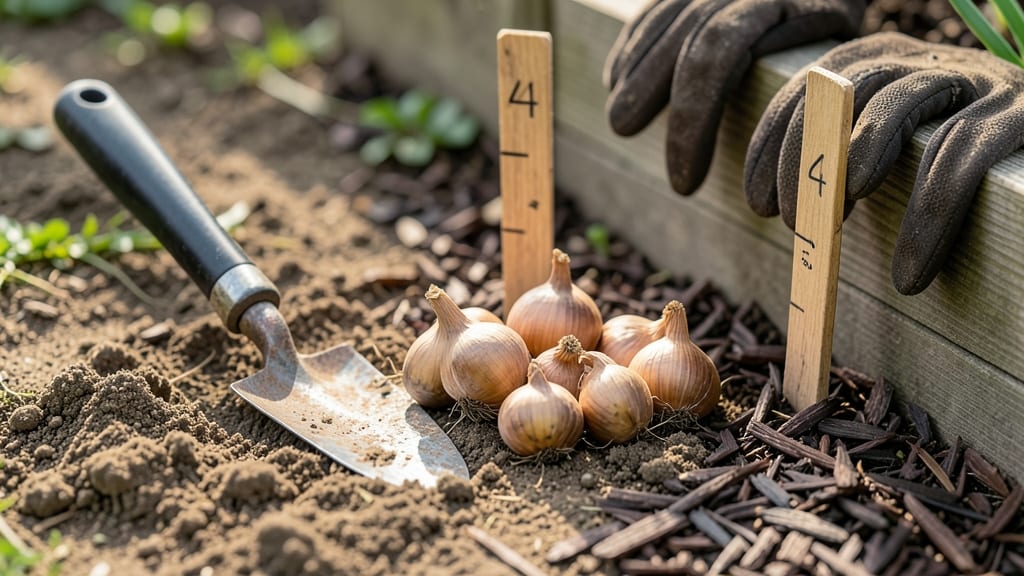
Planting daffodils in Minnesota isn’t just about timing—it’s about beating the frost while giving those bulbs the perfect window to root before winter sets in. If you’ve ever watched your 🌼 blooms emerge through snow only to fade too soon, you know how critical this step is.
For Minnesota’s 4a-5b zones, the ideal time to plant daffodils is between September and October, when soil temperatures drop but the ground stays workable. This 6-8 week lead time before the first frost ensures your bulbs establish strong roots, setting the stage for vibrant spring displays.
But here’s the catch: Minnesota’s unpredictable fall weather can throw off even the best-laid plans. Too early, and your bulbs may rot; too late, and they’ll struggle to survive the cold.
I’ll show you exactly how to read your soil, adjust for early frosts, and use mulching to protect your investment.
Let’s break down the exact weeks before last frost for your zone, plus pro tips to make your daffodils thrive—no guesswork, just results. Your future spring garden starts now.
Minnesota daffodil planting timeline: exact weeks before last frost by Zone
Timing your daffodil bulbs in Minnesota’s hardiness zones 3-5 means the difference between rotten bulbs and showstopping spring blooms. Since our first frost typically arrives between October 15 and November 1, you’ll want to plant 6-8 weeks before the ground freezes.
This usually lands in late September to early October, but your exact USDA zone matters.
For Zone 3 (northern MN), aim to plant by September 20—sooner is better to avoid early freezes. In Zone 4 (central MN), you’ve got until October 10, while Zone 5 gardeners can push it to October 20.
The key is soil temperatures dropping below 60°F (15°C)—this signals it’s time to dig in your bulbs.
Here’s the comparison-table breaking down your planting window by zone, including soil temp thresholds and frost-free weeks:
| Zone | Planting Window | Soil Temp Threshold | Frost-Free Weeks Before | Action |
|---|---|---|---|---|
| Zone 3 | September 15–25 | Below 60°F (15°C) | 6–8 weeks | 🌱 Plant ASAP—earlier freezes risk bulb rot. |
| Zone 4 | September 20–October 10 | Below 60°F (15°C) | 6–8 weeks | 📅 Ideal window—flexible but don’t delay. |
| Zone 5 | September 25–October 20 | Below 60°F (15°C) | 6–8 weeks | ⏰ Push to late October—soil stays workable longer. |
Pro tip: Use a soil thermometer to confirm temps—daffodil bulbs need consistent cool soil to root before winter. If your garden sits in a warmer microclimate (like near a south-facing wall), you might extend planting into early November, but avoid planting after the ground freezes.
In Zone 3, where winters are harshest, I’ve had success with staggered planting: bury half my bulbs in late September and the rest in early October. This spreads out bloom times and reduces risk if an early frost hits.
For Zone 5, I’ve even planted in November if the ground isn’t frozen—just cover with mulch immediately.
Watch for soil moisture too—daffodils hate soggy soil in winter. If your fall was exceptionally wet, wait until the ground drains slightly before planting. A simple finger test works: if soil sticks to your gloves, delay planting by a week or two.
One common mistake? Planting too shallow in cold climates. In Minnesota, bury bulbs 6–8 inches deep—deeper than you might in warmer states. This protects them from freeze-thaw cycles that can heave bulbs out of the ground.
Use a trowel to dig holes twice as deep as the bulb’s height.
If you’re in doubt, err on the earlier side. Daffodils planted in September will establish roots before winter, while late October plantings might struggle to root before the ground freezes. Early planting also gives bulbs time to develop stronger roots, leading to bigger blooms next spring.
For container gardening, plant bulbs in well-draining pots by mid-October at the latest. Move containers to a protected spot (like a garage or under an eave) before hard frosts hit. This trick works well for patio daffodils in Zone 4 where winters are unpredictable.
Remember: daffodils are perennials, so getting this timing right now means years of low-maintenance blooms. Next spring, you’ll thank yourself when those cheerful yellow trumpets push through snow-covered lawns—a sure sign you nailed your fall planting! 🌼
Signs your Minnesota soil is ready for daffodil bulbs (before you dig)
Before you rush to plant your daffodil bulbs, check if your Minnesota soil is truly ready. Planting too early in warm soil can cause bulbs to rot, while waiting too long risks early frosts halting root growth.
The key is cool soil temperatures combined with proper moisture levels—both critical for bulb success.
First, test your soil temperature using a soil thermometer. Daffodils thrive when soil temps drop below 60°F (15°C). In Zone 3, this usually happens by mid-September, while Zone 5 may wait until late October.
If your soil is still above 65°F (18°C), wait at least 1-2 weeks—your bulbs need consistent coolness to root.
Next, assess soil moisture. Daffodils prefer well-draining soil but won’t tolerate soggy conditions. Perform a simple finger test: dig down 6 inches and squeeze a handful. If it forms a temporary ball that crumbles easily, it’s ideal.
If it sticks to your gloves or feels muddy, delay planting until the ground dries slightly. Zone 4 gardeners often face this in wet falls, so patience pays off.
Look for residual summer heat in your garden beds. South-facing areas or paved surfaces nearby can keep soil warmer longer. If your hands feel uncomfortably warm while digging, your bulbs will too.
For these spots, plant 2-3 weeks earlier than your zone’s average window. I’ve seen Zone 5 gardens near driveways need planting by September 15 to avoid heat stress.
Check for compaction—a common issue in Minnesota lawns. Press your foot into the soil; if it springs back slowly, it’s compacted. Break up the top 6 inches with a garden fork to improve drainage.
Adding compost or sand (for heavy clay soils) helps too. Zone 3 gardeners with sandy soil may need to mix in peat moss to retain moisture during dry spells.
Finally, observe local weather forecasts for frost predictions. The National Weather Service provides 10-day outlooks—aim to plant 6-8 weeks before the first hard frost. If a cold snap is forecast within 2 weeks of planting, cover your bulbs with straw mulch (3-4 inches thick) to insulate them.
This works especially well in Zone 4, where early October frosts aren’t uncommon.
One pro tip: Plant a test bulb in a small pot a week before your planned date. If it sprouts green shoots within 10 days, your soil is too warm—wait another week.
This simple trick saves you from wasted bulbs and disappointed spring blooms. With these checks, you’ll know exactly when your Minnesota soil is perfectly primed for daffodils. 🌱