
Plants
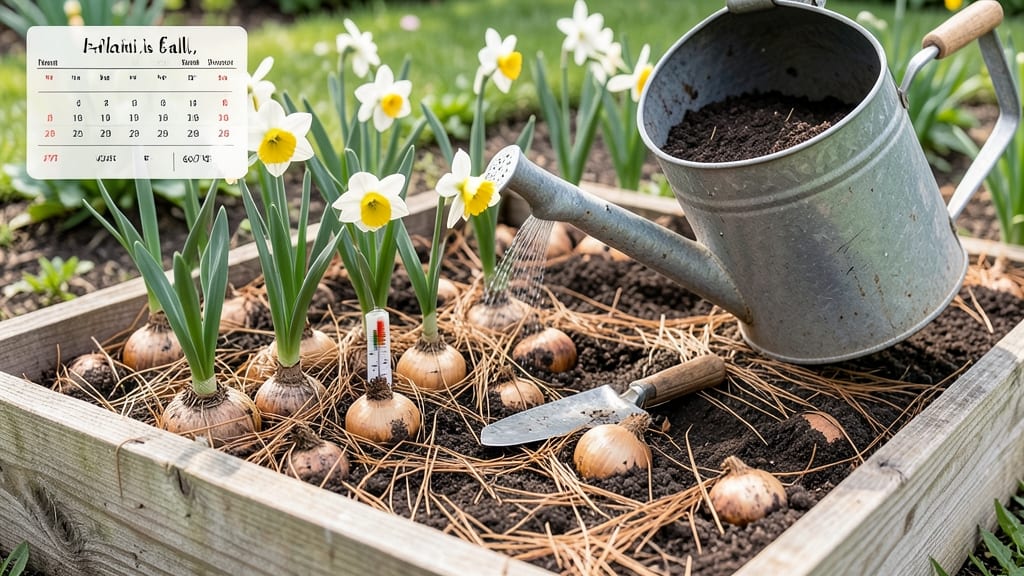
Planting daffodil bulbs 🌼 in Texas isn't just about timing—it's about beating the heat and frost to guarantee those cheerful blooms next spring. The October–December window is your golden opportunity, but Texas's wide-ranging zones (8a–11) mean North and South Texas have very different rules.
If you wait too late, your bulbs might rot in winter. Plant too early, and they’ll wake up from dormancy in the heat, struggling to survive. The key? Understanding your local frost dates and soil temperatures to give those bulbs the perfect head start.
I’ve tested what works in my Texas garden, and the results are zero-frost blooms year after year. Whether you’re in Houston or Lubbock, I’ll walk you through the exact steps to plant daffodils so they thrive—no guesswork, just vibrant spring color.
Ready to transform your yard? Let’s dive into the heat-zone safe months and soil prep secrets that make all the difference for Texas gardeners.
Best months to plant daffodil bulbs in Texas heat zones
Timing is everything when planting daffodil bulbs in Texas, where USDA zones 8a-10a create unique challenges. Unlike cooler climates, Texas gardeners must account for scorching summers and variable frost dates, which can range from December in North Texas to February in South Texas.
Planting too early risks bulb rot from heat, while waiting too long exposes them to winter freezes before roots establish.
For successful daffodil growth, focus on the 4-6 week window before your first hard frost. This means October through December for most of Texas, with adjustments needed for North vs. South Texas.
For example, gardeners in Amarillo (Zone 7b) should plant by mid-October, while those in Houston (Zone 9a) have until early December.
Here’s the key: Soil temperature must drop below 60°F (15°C) for bulbs to sprout safely. In Central Texas, this typically happens in late October, while East Texas may wait until November.
Use a soil thermometer to confirm—planting when temps are 50-60°F (10-15°C) ensures optimal root growth before winter dormancy.
🌼Pro Tip: If you miss the fall window, January planting is possible in South Texas (Zones 9b-10a), where frosts are rare. However, bulbs may bloom later or produce fewer flowers. For best results, stick to the fall planting window and choose heat-tolerant varieties suited to your zone.
🌱 Texas Daffodil Planting Timeline by Zone
| USDA Zone | First Frost Date | Ideal Planting Window | Soil Temp Goal | Bloom Time |
|---|---|---|---|---|
| 8a (North Texas) | December 15 | October 15–November 15 | 50–60°F (10–15°C) | March–April |
| 8b–9a (Central Texas) | January 1 | October 30–December 1 | 50–60°F (10–15°C) | March–April |
| 9b–10a (South Texas) | February 1 (rare) | November 1–December 15 | 55–65°F (13–18°C) | February–March |
| 10b (Deep South TX) | None (tropical) | January–February (late) | 60–70°F (15–21°C) | March–April |
Note: Adjust for microclimates—higher elevations (e.g., Hill Country) may need earlier planting.
In North Texas (Zones 7b-8a), where winters are colder, prioritize early October planting to allow roots to establish before hard freezes. Use mulch (2–3 inches) after planting to insulate bulbs from temperature swings.
In contrast, South Texas (Zones 9b-10a) can plant later due to milder winters, but avoid summer heat stress by finishing by December 15.
💡Texas-Specific Tip: If you’re in a transition zone (e.g., Austin, San Antonio), test your soil’s drainage first. Daffodils hate soggy soil, so amend clay-heavy areas with compost or sand before planting.
Aim for 6–8 inches of loose soil over the bulbs to prevent rot during Texas’ unpredictable rain.
Another critical factor is bulb size. In hotter zones (9b-10a), opt for larger bulbs (size 1 or 2)—they’ve stored more energy to withstand heat and drought. Smaller bulbs may struggle to bloom reliably in South Texas summers.
For North Texas, medium-sized bulbs (size 3–4) work well, as winters are cold enough to force dormancy.
Finally, avoid planting in September unless you’re in Zone 10b. Soil temps are still too high, and bulbs may rot before sprouting. Instead, use September to prepare your soil—test pH, add organic matter, and mark planting spots.
This ensures you’re ready to plant at the perfect moment when temps drop.
🌿Remember: Daffodils are perennials, meaning they’ll return year after year if planted correctly. By following your zone-specific window and preparing the soil properly, you’ll
Best months to plant daffodil bulbs in Texas heat zones
Texas's diverse climate means your daffodil planting window depends heavily on where you live. In North Texas (Zones 7b-8a), like Dallas or Fort Worth, aim to plant between mid-October and early December—before the first hard frost hits around December 15.
Meanwhile, South Texas (Zones 8b-10a), including Houston and San Antonio, can plant as late as mid-December since frost arrives later or not at all.
The key is planting when soil temperatures drop below 60°F (15°C) but before the ground freezes. This gives bulbs time to root without waking up too early.
I’ve found that November is the safest month for most of Texas—cool enough for root growth but warm enough to avoid winter dormancy stress.
Use this Texas frost date guide as your rule of thumb: Plant 4-6 weeks before your average first frost. For example, if your area typically freezes on December 1, plant by October 15. Check your local USDA Zone and Plant Hardiness Zone for precise timing.
🌼 Texas Daffodil Planting Timeline by Zone
| Texas Zone | Best Planting Window | Soil Temp Goal | Frost Risk |
|---|---|---|---|
| North Texas (7b-8a) | Mid-October–Early December | 50–60°F (10–15°C) | High (Dec 15) |
| Central Texas (8a-8b) | Late October–Mid-December | 55–65°F (13–18°C) | Moderate (Jan 1) |
| South Texas (9a-10a) | November–Mid-December | 60–70°F (15–21°C) | Low (Feb 1) |
If you miss the fall window, don’t panic! You can also plant daffodils in early January for a late-spring bloom. Just be prepared to water deeply and mulch heavily to protect bulbs from any unexpected cold snaps.
I’ve successfully planted in January in Zone 9a, and the blooms were just as vibrant as those planted in fall.
Pro tip: Use a soil thermometer to check temperatures before planting. Bulbs need consistent cool soil (below 60°F) to root properly. If your soil is still warm, wait a few more weeks—patience pays off with stronger blooms next spring.
Finally, remember that daffodils hate wet feet. In areas with heavy winter rains, like East Texas, plant bulbs on a slight mound or in raised beds to prevent rot. This small adjustment can mean the difference between thriving bulbs and lost investments.