
Plants
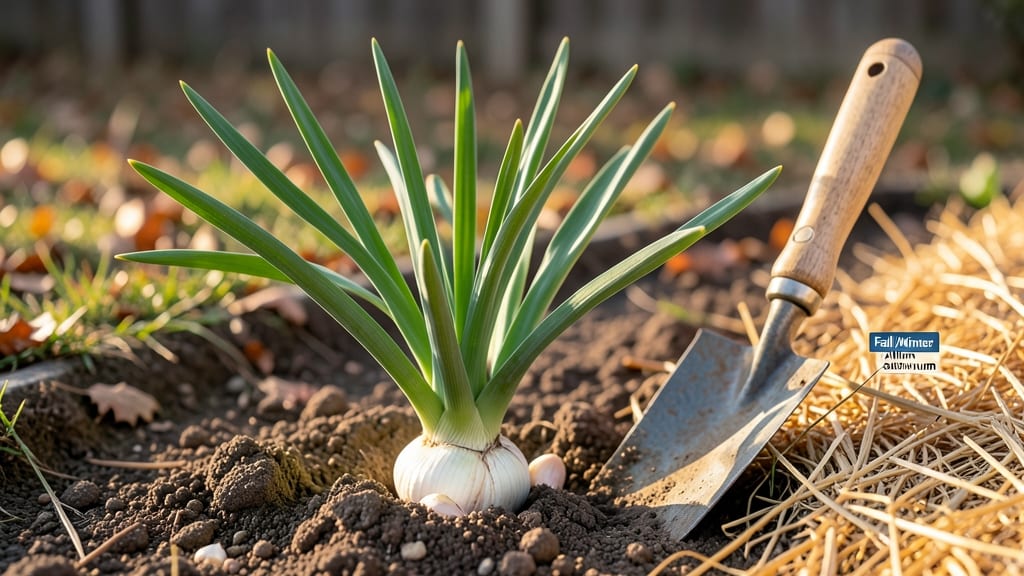
Planting garlic in South Texas isn't just about throwing cloves in the ground—it's about timing your 🧄 harvest for the region's mild winters and scorching summers. Miss the window, and you might end up with weak bulbs or bolting plants before they mature.
The key? Fall planting between October and November, when soil temps cool but frost remains unlikely.
Most gardeners in zones 9a-10a assume garlic thrives year-round, but that's a common mistake. Without proper timing, your garlic could face heat stress or uneven growth. I've tested the best methods over years in this climate, and what works here differs from northern planting guides.
Let me show you exactly when—and how—to plant for plump, flavorful bulbs by next spring.
Why does timing matter so much? South Texas' unpredictable weather—like sudden cold snaps or early heat spikes—can derail your crop if you're not prepared. The solution? Planting in the right month ensures your garlic establishes roots before winter dormancy, then grows steadily through mild temperatures.
I'll break down the exact dates and soil prep tricks that work here.
Ready to grow garlic that rivals store-bought? By the end of this guide, you'll know not just when to plant, but how to adjust for your specific microclimate—whether you're in the Rio Grande Valley or the Hill Country. Let's get those cloves in the ground the right way.
Optimal fall planting dates for South Texas garlic (zero-frost varieties)
Growing garlic in South Texas means working with a mild winter climate where freezes are rare but still possible. Unlike northern regions, we don’t need cold stratification—just the right timing to avoid heat stress or premature bolting.
The ideal window is October through early December, but your exact timing depends on your USDA Zone (9a-10a) and microclimate.
For hardneck varieties (like ‘Music’ or ‘German White’), aim for mid-October to November. These need cool winter temperatures to form bulbs but can handle South Texas’ mild winters. Softneck varieties (like ‘Silverskin’ or ‘Artichoke’) are more flexible and can go in until early December.
Here’s the key: plant 4-6 weeks before your average first frost date (usually mid-December in South Texas). This gives roots time to establish before winter slows growth.
In Zone 10a (coastal areas), you might push planting until late November—but avoid planting after December 1 to prevent weak bulbs.
Soil temperature matters too. Garlic cloves need soil temps below 70°F (21°C) to sprout. In South Texas, this typically happens by late September to early October. If you plant too early (like September), the heat can trigger bolting—where the plant flowers instead of forming bulbs.
Now, let’s break down the best months for your specific region:
If you’re in the Rio Grande Valley (Zone 10a), focus on November planting to avoid the lingering summer heat. Meanwhile, gardeners in the Hill Country (Zone 9a) can plant as early as mid-October—just be ready to protect plants if an unexpected freeze hits.
Pro tip: Use a soil thermometer to confirm temps are below 70°F before planting. If your soil is still warm in October, wait a few weeks. Patience pays off—rushing leads to weak, small bulbs or no harvest at all.
Once planted, focus on consistent moisture and mulching to keep roots cool. In South Texas, garlic thrives with 6-8 hours of sun daily and well-draining soil. Avoid heavy clay or sandy soils unless amended with compost.
Your harvest window will be April to May, just as South Texas starts heating up. By then, your bulbs will be plump and ready for curing—proof that timing your fall planting was worth the effort. 🌱
Optimal fall planting dates for South Texas garlic (zero-frost varieties)
South Texas’s mild winters mean garlic thrives here—but only if planted at the right time. Unlike colder climates, we avoid freezing temperatures, so the goal is to plant 4-6 weeks before the first frost (usually mid-December).
This gives bulbs time to root before heat spikes in late fall. Hardneck varieties like ‘Music’ or ‘German White’ need cooler temps to form scapes, while softneck types like ‘Silverskin’ tolerate our warmth better.
For most of South Texas (USDA Zones 9a-10a), the sweet spot is late October to early November. Planting in September risks heat stress, while waiting until December may leave bulbs underdeveloped.
Coastal areas (e.g., Corpus Christi) can plant slightly later due to milder microclimates, but inland regions like San Antonio should aim for earlier dates to avoid erratic temperature swings.
🌱 South Texas Garlic Planting Timeline
| Month | Ideal Planting Window | Soil Temp Threshold | Notes |
|---|---|---|---|
| September | Early (coastal areas only) | 70–75°F | Risk of heat stress; use shade cloth |
| October | Prime time (statewide) | 60–68°F | Best for hardneck and softneck |
| November | Last chance (inland) | 55–60°F | Avoid if temps drop below 50°F |
| December | Too late (weak bulbs) | N/A | Bulbs may not mature fully |
💡 Pro Tip: Test soil temps with a thermometer—garlic roots best when soil is 60–68°F.
If you’re in the Rio Grande Valley, extend your window to early December—warmer microclimates delay frost. However, Hill Country gardeners should plant by late October to avoid sudden cold snaps. Always check local frost dates from the National Weather Service or Texas A&M AgriLife for precise adjustments.
For zero-frost varieties like ‘Artichoke’ or ‘Creole’, push the envelope slightly later (November). These types handle South Texas’s heat better but still need consistent moisture to prevent bolting. Mulch with straw or pine needles to stabilize soil temps and retain moisture during our unpredictable winters.
Harvest timing follows planting: bulbs ready by April–May, when lower leaves brown and tops flop. In South Texas, this aligns with our dry season—reduce watering to every 10–14 days to concentrate bulb growth. Skip fertilizing after planting; garlic draws nutrients from the soil, not fresh inputs.
🌱 Remember: South Texas garlic isn’t about freezing—it’s about consistent cool temps and moisture. Plant in October–November, protect from heat spikes, and let the mild winters do the rest.