
Flowers
Planting your 🌸 flowers at the wrong time in California can mean the difference between a showstopping garden and a sad, wilted mess—especially when coastal fog meets desert heat just 100 miles away.
The key isn’t just knowing what to plant, but when, because California’s microclimates throw traditional planting guides out the window.
From frost-free coastal zones where you can plant year-round to Central Valley areas where a late December chill can still sneak in, timing matters more than most gardeners realize.
I’ve spent years testing the best months for each region, and what works in USDA Zone 10 coastal gardens fails spectacularly in Zone 9b desert valleys. Let me show you exactly when to start seeds, transplant, and adjust for California’s wild weather whiplash.
Whether you’re dreaming of spring blooms or fall color, the right planting window ensures your flowers thrive—not just survive. We’ll break down the perfect months for your specific corner of California, plus pro tips to handle unexpected frosts or heat spikes. No more guesswork, just vibrant, long-lasting blooms.
Ready to transform your garden into a year-round paradise? Let’s dive into the microclimate-specific schedule that’ll have your flowers looking like they stepped out of a postcard—no matter where you live in the Golden State.
California’s 5 planting zones by microclimate (with exact months)
California’s microclimates create a gardening puzzle—what thrives in San Diego’s coastal fog (Zone 10) might wilt in Death Valley’s heat (Zone 9b). To simplify, I’ve broken the state into 5 key planting zones, each with frost-free windows and ideal planting months for annuals and perennials.
Use this as your roadmap to avoid frost-killed seedlings or heat-stressed blooms.
First, know your last frost date is your golden rule. Coastal areas like San Francisco rarely see frost, while the Central Valley can drop below 32°F from December to February.
Desert regions like Palm Springs have 150–240 frost-free days, while coastal zones stretch to 365+ days. Let’s dive into the specifics.
| Zone | Climate Type | Last Frost | First Frost | Best Planting Months | Key Flowers |
|---|---|---|---|---|---|
| Coastal (Zone 10) | Mediterranean | None (year-round) | None | Jan–Dec (year-round) | Petunias, Snapdragons, Dahlias |
| Central Valley (Zone 9a-9b) | Hot Summer, Cold Winter | Dec–Feb | Nov–Jan | Feb–May (spring), Aug–Oct (fall) | Marigolds, Zinnias, Lavender |
| Desert (Zone 9b-10a) | Arid, Extreme Heat | Jan–Feb | Nov–Dec | Feb–Mar, Sep–Oct | Cacti, Succulents, Desert Marigolds |
| High Elevation (Zone 7b-8a) | Cool Mountain | Apr–May | Oct–Nov | May–Jun, Aug–Sep | Roses, Peonies, Columbines |
| Inland (Zone 9a-10) | Moderate Year-Round | Dec–Feb | Nov–Jan | Feb–Apr, Aug–Oct | Geraniums, Salvia, Coreopsis |
For coastal gardeners, you’re in luck—plant annuals like petunias anytime, even in winter. But inland areas like Sacramento need cool-season flowers (e.g., pansies, sweet peas) planted in late winter to bloom by spring.
Meanwhile, desert regions avoid summer planting entirely—heat stress kills seedlings, so focus on fall or early spring.
Pro tip: Use USDA Zone 9–11 as a baseline, but microclimates matter more. A north-facing slope in Los Angeles stays cooler than a south-facing yard, delaying planting by 2–4 weeks.
Check your local weather station for frost alerts—even Zone 10 can get a surprise freeze during Santa Ana winds.
If you’re unsure of your zone, plug your zip code into the USDA Plant Hardiness Zone Map or use my quick guide: Coastal = Zone 10, Central Valley = Zone 9a-9b, Desert = Zone 9b-10a, Mountains = Zone 7b-8a. Once you know your zone, adjust planting by 2–4 weeks based on your yard’s sun exposure and wind patterns.
For perennials, plant in fall (Sept–Nov) to establish roots before winter. Annuals like marigolds or zinnias can go in spring or fall, but avoid summer heat for direct sowing.
My rule of thumb: Plant cool-season flowers 6–8 weeks before your last frost and warm-season flowers 2–4 weeks after.
Don’t forget soil prep—California’s soil varies wildly. Coastal areas often need amendments for drainage, while desert soils benefit from organic matter to retain moisture
Best flowers for each California climate (and when to start seeds vs. transplant)
California’s microclimates demand a tailored approach to flower planting. Coastal gardeners can sow pansies in September for winter blooms, while desert dwellers wait until November to avoid heat stress. The key is matching flower types to your zone’s last frost dates and heat tolerance.
For annuals like marigolds and zinnias, start seeds indoors 6-8 weeks before your last frost. In USDA Zone 10 (coastal), this means January planting for spring blooms, while Zone 9b (Central Valley) waits until February or March to avoid late frosts.
Perennials like lavender and coneflowers thrive when transplanted in fall (October-November) for established root growth before winter. Coastal areas can even plant tender perennials like geraniums year-round, but desert zones need to wait until spring to prevent heat damage.
| Climate Zone | Best Flowers | Seed Start Time | Transplant Month |
|---|---|---|---|
| Coastal (Zone 10) | Pansies, Snapdragons, Sweet Peas | Jan-Mar (indoors) | Sep-Nov |
| Central Valley (Zone 9b) | Marigolds, Zinnias, Dahlias | Feb-Apr (indoors) | Apr-May |
| Desert (Zone 9b-10a) | Lantana, Blanket Flower, Desert Marigold | Mar-Apr (indoors) | Nov-Dec |
| High Elevation (Zone 8) | Columbines, Lupines, Penstemons | Jan-Feb (indoors) | May-Jun |
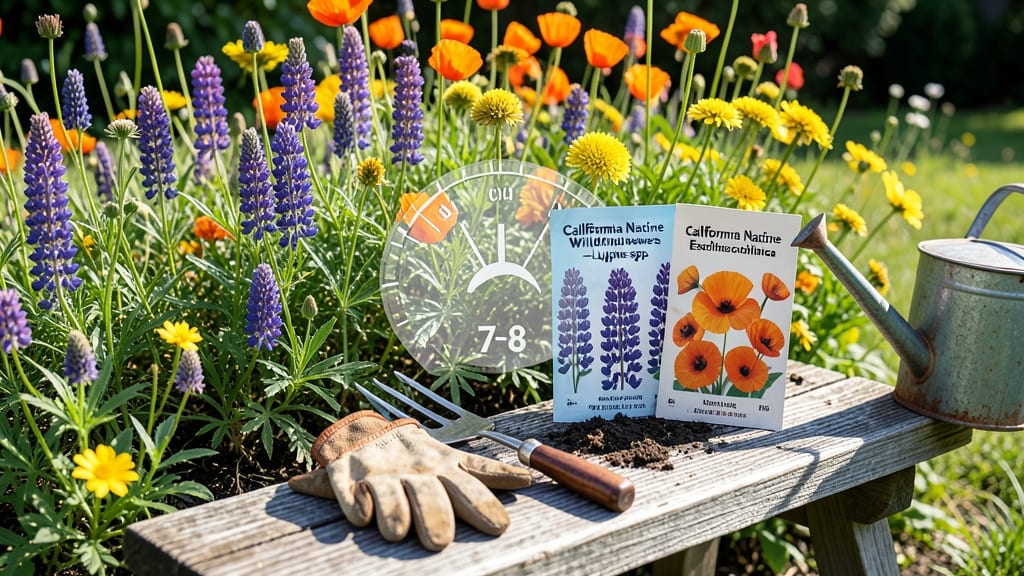
Native California wildflowers like California poppies and matilija poppies are the easiest to grow—just scatter seeds in late fall (November-December) and water lightly. They thrive in poor soil and drought conditions, making them perfect for low-maintenance gardens.
For container gardening, prioritize compact varieties like petunias or geraniums. Start these seeds indoors in February and transplant into pots by April, ensuring they get 6+ hours of sun daily. Coastal balconies can extend blooming seasons by 2-3 months compared to inland areas.
Pro tip: Use shade cloth when transplanting heat-sensitive flowers like impatiens in Zone 10 during summer months. This buys you 2-4 weeks of protection while roots establish before full sun exposure.